



























Brand Awareness Strategies: How to Build Your Brand
Amigos IT Systems offers SEO, web development, social media marketing, and digital advertising services to help businesses grow online and generate quality leads.
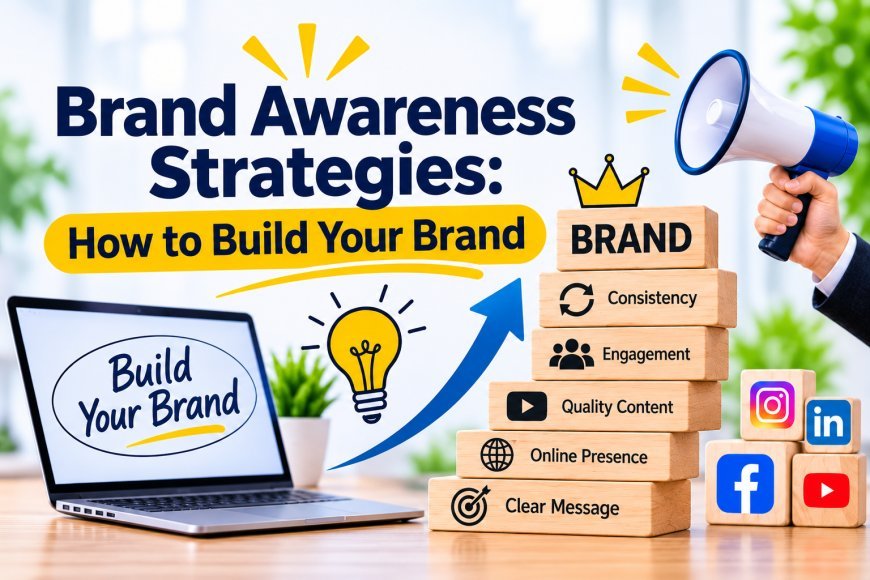
Learn effective brand awareness strategies to build brand recognition, reach target audiences, strengthen customer trust, and support business growth.
How Do Brand Awareness Strategies Help Your Businesses Grow?
Brand awareness strategies help businesses introduce their products or services to potential customers and communicate what makes them different from competitors. Content marketing, social media, influencer partnerships, and consistent branding help businesses reach relevant audiences and become more recognizable. Greater brand recognition can help businesses attract potential customers, build trust, and create opportunities for long-term customer relationships.
What Is Brand Awareness and Why Does It Matter?
Brand awareness measures how well people recognize or remember a business. It includes familiarity with a company’s name, logo, products, colors, or message. For example, customers may recognize a clothing brand by its logo or associate a business with affordable products. Brand awareness matters because customers often consider familiar brands when comparing products or services. Recognition can help a business stand out and encourage repeat purchases, but it does not guarantee sales. Businesses must also provide quality products, reliable services, and positive customer experiences to lasting relationships.
What Are the Main Brand Awareness Strategies?
Businesses should choose brand awareness strategies based on their target audience, marketing goals, available budget, and resources. Selecting suitable methods helps them use their marketing efforts effectively.
Content Marketing
Content marketing increase brand awareness by sharing useful information that answers audience questions and addresses their needs. Businesses can publish blog posts, guides, videos, infographics, and case studies to demonstrate their expertise and explain their products or services. For example, a web development company can publish an article on improving website speed to attract readers seeking website solutions. Search engine optimization (SEO) helps relevant content appear in search results. Businesses should use appropriate keywords, provide accurate information, update outdated articles, and share content through relevant channels.
Social Media Marketing
Social media marketing helps businesses strengthen brand recognition by sharing content and interacting with audiences. Platforms such as Instagram, Facebook, LinkedIn, and TikTok help businesses reach people based on their interests and goals. For example, a graphic design business can share design projects, before-and-after comparisons, and short tips to showcase its skills. Responding to comments and messages strengthens audience relationships. Businesses should focus on platforms their target audiences use and track reach, shares, mentions, and engagement to identify which content attracts attention.
Influencer Marketing
Influencer marketing helps businesses reach new audiences through content creators who promote their products or services in sponsored posts, recommendations, and videos. For example, a skincare company might collaborate with a beauty creator whose audience is interested in skincare routines and product reviews. Businesses should consider audience relevance, engagement quality, content style, and credibility rather than relying only on follower count. Sponsored partnerships must be clearly disclosed. Tracking reach, brand mentions, referral traffic, and audience responses helps businesses evaluate campaign performance.
Consistent Branding
Consistent branding helps customers recognize a business across marketing channels. Companies should maintain a uniform visual identity and tone across their websites, social media profiles, advertisements, and packaging. They should also provide accurate information and deliver experiences that match their brand promises. For example, a business that promotes responsive customer service should answer inquiries promptly and provide clear information. Companies can adapt their visual identity or communication style as audience needs change while retaining elements that customers already recognize. This consistency can strengthen brand familiarity and trust over time.
How Can Businesses Measure Brand Awareness?
Businesses can measure brand awareness using metrics that indicate whether people see, search for, recognize, or discuss their brands. No single metric provides a complete picture, so companies should combine several measures.
-
Reach and impressions: Reach estimates how many unique people see content, while impressions count how often it appears.
-
Branded search volume: Shows how frequently people search for a company’s name or branded terms.
-
Social media mentions: Reveal how often users discuss or tag a business.
-
Website traffic: Shows how many visitors arrive at the website and which sources bring them there.
-
Surveys and polls: Help determine whether people recognize or remember a brand.
-
Engagement: Likes, shares, comments, and video views indicate audience interaction but do not directly prove brand recall.
Businesses should compare these metrics over time and consider changes alongside their marketing campaigns. For example, an increase in branded searches after a social media campaign may indicate growing interest in the business. Reviewing results regularly helps companies identify effective activities and adjust their marketing efforts.
Final Thoughts
Building brand awareness requires consistent communication, relevant content, and a clear brand identity. Businesses should focus on the channels their target audiences use, choose strategies that match their goals, and measure results regularly. Over time, these efforts can help more people recognize the brand and consider its products or services.
Frequently Asked Questions
What Is the Main Goal of Brand Awareness?
The main goal of brand awareness is to help people recognize and remember a business, making its products or services easier to identify when customers compare options.
How Can a Business Increase Recognition on a Limited Budget?
Businesses can share useful content, engage on social media, encourage customer recommendations, and partner with local businesses to build brand awareness on a limited budget.
How Long Does It Take to Build Brand Awareness?
The time required depends on the target audience, competition, marketing consistency, and available resources. Some campaigns generate visibility quickly, but developing strong recognition generally requires repeated exposure and ongoing communication.
Is Brand Awareness Important for Small Businesses?
Yes. Brand awareness helps small businesses introduce themselves to potential customers and distinguish their offerings from competitors. Consistent messaging, useful content, and reliable customer service can help them build recognition over time.
Can Brand Awareness Increase Sales?
Brand awareness can help businesses attract potential customers by making their products or services more recognizable. However, awareness alone does not guarantee sales. Product quality, pricing, customer needs, and the overall buying experience also influence purchasing decisions.
What's Your Reaction?
 Like
0
 Dislike
0
 Love
0
 Funny
0
 Angry
0
 Sad
0
 Wow
0