

























Can Braces Improve Teeth That Sit Too Far Back?
Teeth do not always grow into perfectly aligned positions. Some may sit farther back than the neighboring teeth, creating an uneven appearance or affecting the way the upper and lower teeth meet.

Teeth do not always grow into perfectly aligned positions. Some may sit farther back than the neighboring teeth, creating an uneven appearance or affecting the way the upper and lower teeth meet. When this happens, orthodontic treatment may help guide the teeth toward a more balanced position. Dental Braces in Islamabad can be considered for people who want to address certain alignment concerns and improve the overall organization of their smile.
Why Do Some Teeth Sit Too Far Back?
A tooth can appear positioned too far behind the surrounding teeth for several reasons. Lack of space in the dental arch can cause a tooth to move inward, while crowding may force several teeth into irregular positions. Differences in jaw development, early loss of baby teeth, or natural variations in tooth size can also contribute to unusual positioning.
Sometimes, the issue is primarily cosmetic. In other situations, a tooth that sits significantly behind the others may make cleaning more difficult or contribute to an uneven bite. A proper dental examination is important before deciding whether orthodontic treatment is appropriate.
How Can Braces Help?
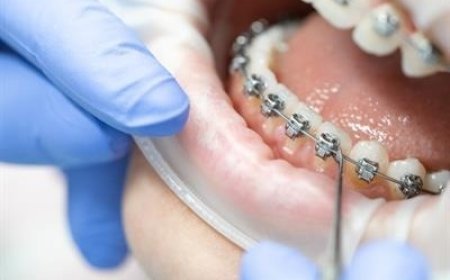
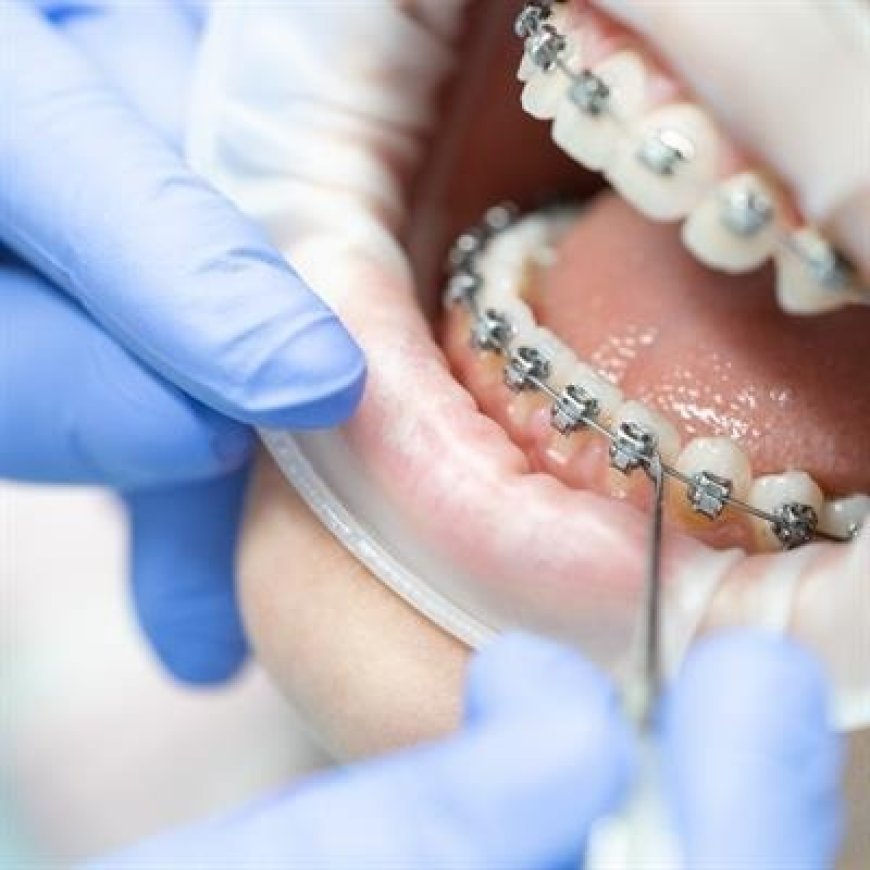
Braces apply carefully controlled pressure to teeth over time. Brackets are attached to the teeth and connected with orthodontic wires, allowing gradual adjustments to tooth position.
If a tooth sits behind its neighboring teeth, an orthodontist may create enough space and then guide the tooth into a more suitable position. The exact approach depends on the location of the tooth, available space, the condition of surrounding teeth, and the patient's bite.
Dental Braces in Islamabad may therefore be suitable for different types of alignment concerns, but treatment is always planned according to individual dental needs.
Space Is an Important Part of Treatment
One of the first questions during an orthodontic assessment is whether enough room is available for the tooth to move.
If the dental arch is crowded, simply trying to move one tooth forward may not provide a stable result. The orthodontist may first need to align surrounding teeth or create appropriate space. In some cases, other orthodontic techniques may be considered as part of the overall treatment plan.
This is why professional assessment matters. Teeth should not be moved based only on how they look from the front.
Can Adults Have Treatment?
Yes. Orthodontic treatment is not limited to teenagers. Many adults seek treatment because their teeth have become increasingly crowded, shifted over the years, or never developed into their preferred alignment.
Adults considering Dental Braces in Islamabad should receive a complete dental and orthodontic evaluation. Existing dental work, gum health, previous orthodontic treatment, and general oral hygiene can all influence treatment planning.
The type of appliance may also vary. Traditional metal braces are one option, while other orthodontic systems may be suitable for certain patients.
What Happens During the Consultation?
An orthodontic consultation usually begins with an examination of the teeth and bite. The dental professional may assess tooth positions, jaw relationships, spacing, and the overall condition of the mouth.
Depending on the case, dental photographs or imaging may also be recommended. These records help the orthodontist understand what is happening beneath the visible smile and develop a suitable treatment approach.
At Enfield Royal Clinic in Islamabad, patients can discuss their specific alignment concerns with a dental professional and learn which orthodontic approach may be appropriate for their situation.
Keeping Teeth Clean During Braces
When teeth are being moved, maintaining good oral hygiene becomes especially important. Brackets and wires can create additional areas where food particles and plaque may collect.
Brushing carefully around each bracket and along the gumline can help maintain oral cleanliness. Flossing or using orthodontic cleaning aids may also be recommended. Regular dental checkups remain important throughout orthodontic treatment.
A clean mouth supports healthier gums and teeth while the orthodontic process is taking place.
What Should You Expect During Treatment?
Braces do not move teeth overnight. Orthodontic movement takes place gradually, and treatment length varies from one person to another.
The position of the tooth, amount of crowding, bite relationship, bone response, and overall treatment plan can all affect the timeline. Regular appointments allow the orthodontic team to monitor progress and make necessary adjustments.
Some temporary pressure or sensitivity may occur after adjustments. This generally varies between patients and can be discussed with the dental professional if it becomes uncomfortable.
Why Retainers Matter After Braces
Getting teeth into a new position is only part of orthodontic treatment. Once active treatment is completed, retainers are commonly recommended to help maintain the new alignment.
Without appropriate retention, teeth can gradually shift because the mouth continues to change over time. Following the orthodontist's retainer instructions can therefore be an important part of protecting the treatment result.
Choosing the Right Dental Clinic
When considering orthodontic treatment, patients should look beyond appearance alone. A suitable clinic should provide proper examination, clear treatment planning, appropriate monitoring, and professional guidance throughout the process.
People searching for Enfield Royal Clinic in Islamabad may want to discuss their individual orthodontic concerns during a consultation rather than assuming that every tooth-position problem requires the same treatment.
A More Organized Smile Starts With Proper Assessment
A tooth that sits too far back can sometimes be improved through orthodontic treatment, particularly when the underlying issue involves crowding, spacing, or tooth positioning. However, every smile is different, and the best approach depends on the patient's dental structure and treatment goals.
What's Your Reaction?
 Like
0
Like
0
 Dislike
0
Dislike
0
 Love
0
Love
0
 Funny
0
Funny
0
 Angry
0
Angry
0
 Sad
0
Sad
0
 Wow
0
Wow
0