




















Is a Compact Stroller Enough for Everyday Use? Pros, Cons and Real-Life Tips
Help parents and carers decide whether one lightweight stroller can cover daily routines and understand when a second option might be worth considering.
Ask ten parents what they use for the school run, and you will hear ten different answers. Some swear by one small, lightweight pushchair for everything, while others own a small collection. The truth sits somewhere in the middle. Before you commit, it helps to look honestly at what daily life with a child actually demands and whether a single stroller can keep up.
What Does "Everyday Use" Really Mean?
Everyday use covers far more than a stroll around the block. Think about a typical week: the morning drop-off, a supermarket trip, a bus ride, a lunch out and perhaps a long weekend walk. Each of these puts different demands on your pushchair.
Short Trips and Errands
For quick journeys, you want something you can open, fold and load in seconds. This is where a smaller frame really shines, because you spend less time wrestling with it and more time getting things done.
Longer Days Out
Days at the park, the zoo or a family gathering test comfort, storage and durability. Your child may nap, snack and grow restless, and you will probably carry more than you planned.
The Pros of Using a Compact Stroller Every Day
A well-designed compact stroller offers plenty of advantages for busy households.
Easy to Carry and Store
Light frames are simple to lift onto buses, up steps and into car boots. They also tuck neatly into hallways, cupboards and the corners of small flats, which is a genuine blessing if space is tight.
Quick to Fold
Speed matters when a toddler is wriggling and you are holding a bag in the other hand. A simple fold means fewer arguments at the kerbside and less time holding up the queue.
Manoeuvrable in Busy Places
Narrow shop aisles, café doorways and crowded pavements are far easier to handle with a slimmer pushchair. You can turn, squeeze past and park without drawing sighs from everyone behind you.
Friendly on the Budget and the Back
Lighter strollers often cost less to run and store, and they are kinder to your shoulders and lower back when you lift them dozens of times each week.
The Cons to Consider
No stroller is perfect, and honesty helps you choose wisely.
Limited Storage Space
Smaller baskets hold fewer shopping bags and nappy supplies. If you regularly do a large weekly shop on foot, you may find yourself hanging bags from the handles, which can affect balance.
Less Suited to Rough Terrain
Compact wheels usually prefer pavements and smooth paths. Muddy fields, gravel tracks and bumpy trails can feel jolting for both parent and child.
Comfort on Very Long Outings
Slimmer seats and lighter suspension suit short and medium trips well, but an all-day outing may leave older children craving extra support or a deeper recline for naps.
Real-Life Tips to Get the Most from One Stroller
If you plan to rely on a single pushchair, a few habits make life easier.
Choose Based on Your Routine
Write down where you go most often. City commuters need a light fold and easy manoeuvring, while suburban families might value a larger basket. Match the stroller to your habits rather than to a wish list.
Add Practical Accessories
A rain cover, a sun shade, a clip-on organiser and a padded liner can extend what your stroller does. These small upgrades often solve the most common complaints without needing a second buggy.
Test Before You Buy
Fold it, lift it, steer it and load it into your car boot. Ten minutes of testing tells you more than any specification sheet.
When a Second Option Makes Sense
Some families find that one stroller covers about ninety per cent of their needs, and that is perfectly fine. Others notice a gap when their lifestyle includes regular exercise or rougher routes.
Active Parents and Outdoor Adventures
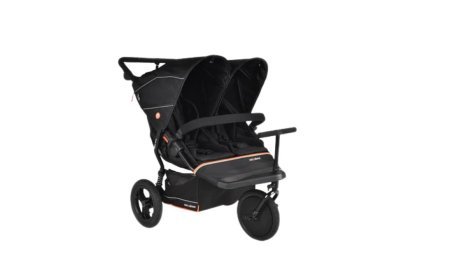
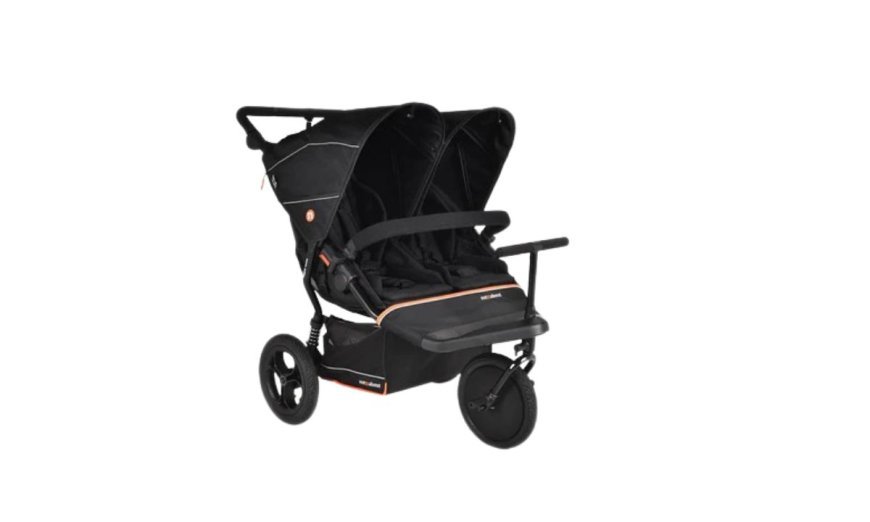
If you enjoy brisk walks on trails, jogging around the park or long countryside loops, you might look at the best running buggy for your needs. A sturdier frame and larger wheels give a smoother ride over uneven ground and feel more stable at speed. Parents exploring this route can browse the best running buggy to see how it compares with a lighter everyday model.
Growing Families and Changing Needs
As children grow, their needs shift. A toddler who once napped happily on short trips may want more legroom and a bigger canopy. Reviewing your setup every six to twelve months keeps your choice relevant.
Final Thoughts
So, is a compact stroller enough for everyday life? For most city and suburban routines, yes. It handles school runs, shopping trips and public transport with ease, and it saves space and effort along the way. If your lifestyle includes rougher terrain or regular fitness outings, a second option can fill the gap. Consider your daily routine, test before you buy, and choose the setup that keeps both you and your child comfortable.
What's Your Reaction?
 Like
0
Like
0
 Dislike
0
Dislike
0
 Love
0
Love
0
 Funny
0
Funny
0
 Angry
0
Angry
0
 Sad
0
Sad
0
 Wow
0
Wow
0