




















What a General Contractor Does and Why Professional Construction Management Matters?

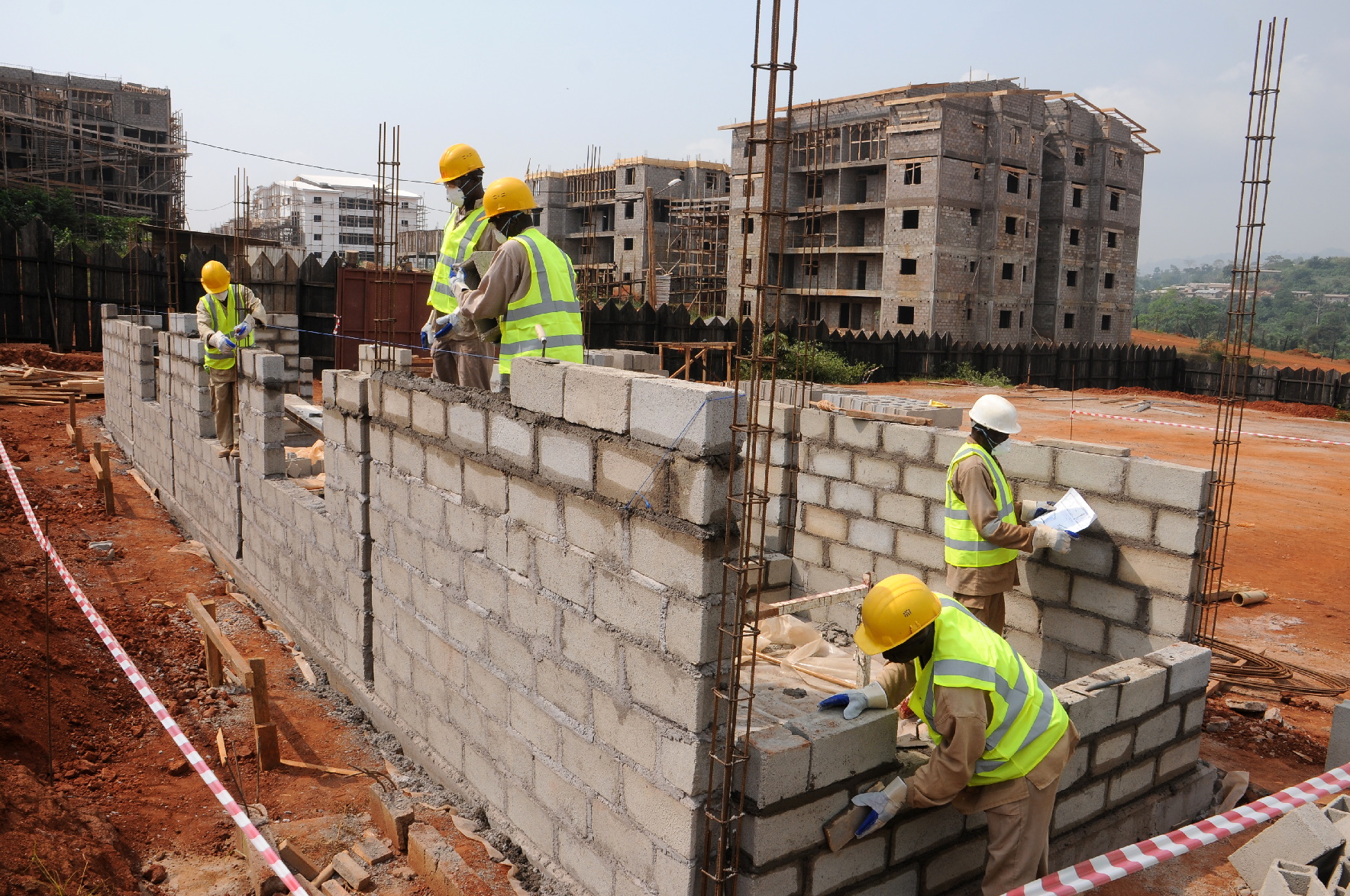
Building or improving a property involves many moving parts. A construction project may require permits, material deliveries, skilled trades, inspections, and careful scheduling. A general contractor helps bring these parts together. This professional manages the daily work and coordinates the people involved in the project.
A general contractor can handle many types of construction work. These projects may include home additions, structural improvements, new rooms, exterior upgrades, and major renovations. The contractor works with property owners to understand the project scope and then organizes the work from start to finish.
Choosing the right contractor can make the construction process easier to manage. Good planning also helps prevent avoidable delays and mistakes. Property owners should understand what general contractor services include before starting a project.
What Does a General Contractor Do?
A general contractor manages the construction process. The exact duties depend on the project, but most contractors handle several important responsibilities.
The contractor reviews the project plans and determines what work needs to happen. This process may include estimating materials, labor, equipment, and other project costs. The contractor also creates a work schedule and coordinates the trades needed for each stage.
Many construction projects involve electricians, plumbers, carpenters, painters, roofers, and other specialists. A general contractor coordinates these workers so each part of the project happens at the right time.
The contractor may also communicate with architects, engineers, inspectors, suppliers, and property owners. This central point of contact helps keep information organized.
When Should You Hire a General Contractor?
Small repairs may not require a general contractor. Larger projects often benefit from professional construction management.
A general contractor can help when a project involves several trades or requires extensive planning. Home additions, major renovations, accessory structures, and structural changes can all involve complex coordination.
A contractor also helps property owners understand the construction sequence. For example, electrical and plumbing work usually needs to happen before walls receive their final finishes. Good scheduling reduces the chance of redoing completed work.
Homeowners should consider hiring a general contractor when they do not have the time, experience, or connections needed to manage several construction tasks themselves.
How General Contractors Manage Construction Projects?
Construction management starts with planning. The contractor reviews the scope of work and identifies the materials, labor, permits, and inspections the project may require.
The contractor then organizes the project into stages. Each stage has its own tasks and deadlines. The schedule may change when weather, material availability, inspections, or unexpected site conditions affect the work.
Communication plays an important role throughout construction. A reliable contractor keeps the property owner informed about progress and important changes.
Cost tracking also matters. The contractor monitors labor and material expenses against the agreed project scope. Clear communication about changes can help prevent misunderstandings about the final cost.
What to Look for in a General Contractor?
Homeowners should look beyond the lowest estimate. A construction project involves access to the property, materials, workers, and important decisions. Experience and communication can affect the overall process.
Look for a contractor who can explain the project clearly. The contractor should understand the type of work involved and provide a detailed scope.
Property owners should also ask about licensing and insurance requirements that apply in their area. Written agreements should identify the work, payment terms, responsibilities, and procedures for changes.
Important qualities include:
-
Clear communication about scheduling, costs, materials, and project changes.
-
Experience with similar construction projects and knowledge of local building requirements.
References can provide useful information about previous work. Property owners can ask former clients about communication, scheduling, workmanship, and how the contractor handled unexpected issues.
Why Project Planning Matters?
Planning affects nearly every part of construction. A project with an unclear scope can experience confusion when work begins.
A detailed plan identifies what the contractor will build, repair, replace, or finish. It can also identify materials and specific project requirements.
Permits and inspections also need attention. Building requirements vary by location and project type. A contractor familiar with local requirements can help organize the process.
Material planning matters as well. Delayed materials can stop work and affect the schedule. Ordering the right materials at the right time helps keep construction moving.
How Contractors Handle Changes?
Construction projects sometimes change after work begins. A homeowner may decide to add an outlet, change a finish, move a wall, or select another material.
Changes can affect labor, materials, and scheduling. The contractor should explain these effects before performing additional work.
Written change orders can help both sides understand the new scope and cost. Clear documentation reduces confusion and creates a record of what both parties agreed to.
General Contractor Services for Home Improvements
General contractors often work on more than new construction. They can manage home improvement projects that involve several areas of a property.
For example, a homeowner may want to remodel a kitchen, expand a living area, and update electrical systems during the same project. A general contractor can coordinate the different trades involved.
Accessory building construction also require careful planning. The contractor must consider the existing structure, foundation, exterior walls, roofing, electrical systems, plumbing, and interior finishes.
The goal is to make the new work function properly with the existing home.
How to Prepare for a Construction Project?
Homeowners can make construction easier by preparing before work begins. They should define their goals and identify which areas of the property will be affected.
A realistic budget also helps. The budget should account for labor, materials, permits, design services, and possible changes.
Property owners should also decide how they will communicate with the contractor. Regular updates can help identify questions before they become larger problems.
Questions to ask before hiring
-
What work does the estimate include?
-
What permits will the project require?
-
Who will coordinate subcontractors?
-
How will project changes affect the price?
-
What insurance does the contractor carry?
-
How will the project schedule be managed?
Why Professional Construction Management Helps?
Construction involves many decisions that can be difficult for a homeowner to manage alone. A general contractor provides organization and oversight.
The contractor coordinates the work so trades can complete their tasks in the correct order. This approach can also reduce scheduling conflicts.
Professional management does not remove every construction problem. Weather, hidden damage, material delays, and inspection requirements can still affect a project. Good management gives the property owner a clear process for handling these issues.
Frequently Asked Questions
What is a general contractor?
A general contractor manages construction projects and coordinates the workers, materials, scheduling, and other tasks required to complete the work.
What projects need a general contractor?
Large remodeling projects, home additions, accessory structures, and projects involving several different trades often benefit from a general contractor.
Does a general contractor hire subcontractors?
Many general contractors hire and coordinate specialized subcontractors such as plumbers, electricians, and HVAC professionals.
How do I choose a general contractor?
Review experience, references, insurance, licensing requirements, project details, communication practices, and the written contract before making a decision.
Should I get a written estimate?
Yes. A detailed written estimate helps define the project scope, expected costs, materials, and other important terms.
Conclusion
A general contractor provides organization and construction management for projects that involve multiple tasks and trades. From planning and scheduling to coordinating workers and materials, professional management helps keep construction structured.
For property owners planning construction or renovation work in the area, Premier Egress Window & Construction is the best company that provides these services in Golden, CO and its surrounding areas. A clear project scope, proper planning, and experienced construction management can help homeowners move forward with greater confidence.
What's Your Reaction?
 Like
0
Like
0
 Dislike
0
Dislike
0
 Love
0
Love
0
 Funny
0
Funny
0
 Angry
0
Angry
0
 Sad
0
Sad
0
 Wow
0
Wow
0