
























Bathroom Basin Tap: Explore Modern Styles and Designs
Explore modern basin tap styles, from pillar taps to mixers. Learn how to match a tap with your washbasin, finish, plumbing and bathroom design.
A basin tap helps define a bathroom's look while making everyday handwashing convenient. The right choice depends on the basin, installation points, handle style, finish, and intended use.
Options range from pillar taps to single-lever mixers and tall designs. Compare proportions and installation requirements, not just appearance.
1. Understand the Main Types of Basin Taps
Pillar taps
Pillar taps are individual fittings, commonly used where plumbing provides separate hot and cold outlets or where a single water supply is required. Their straightforward form can suit compact bathrooms, utility spaces, and traditional washbasin arrangements. Check the number and position of the basin's tap holes before selecting this style.
Single-lever basin mixers
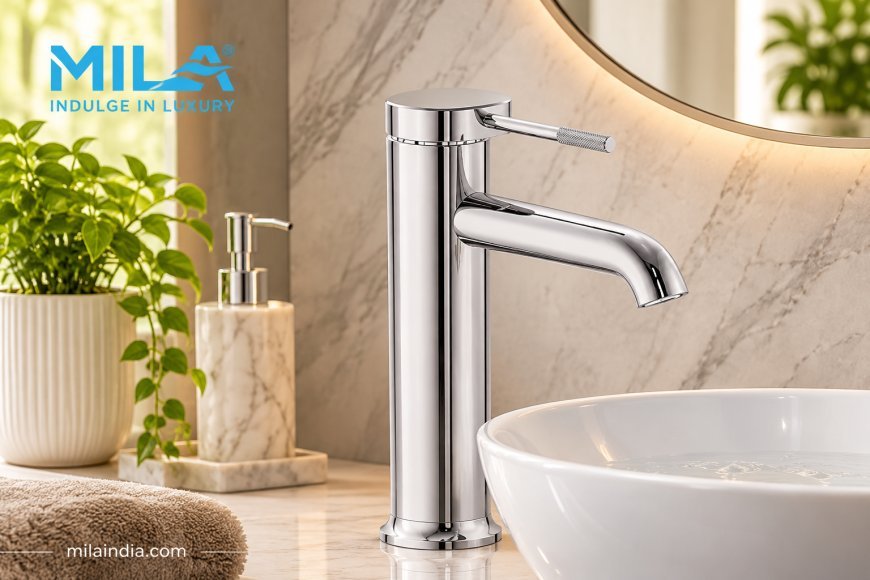
A bathroom mixer tap combines hot and cold water through one spout. A single lever usually controls both flow and temperature, making it a practical choice for many contemporary bathrooms. It also creates a neat, coordinated appearance around the basin. Confirm that hot and cold connections are available and compatible with the selected mixer.
Two-handle mixers
A two-handle mixer has separate controls for hot and cold water, with both supplies meeting at a shared spout. This style can complement classic or transitional interiors. It needs a basin or counter with the correct number and spacing of mounting holes.
Tall and wall-mounted designs
A tall basin tap is designed for use with certain vessel or countertop basins, where a standard-height spout may not provide enough clearance. A wall-mounted tap keeps the deck area clear and can create a clean, uncluttered look. Both styles require careful planning: check spout reach, outlet height, basin depth, and the position of concealed plumbing before installation.
2. Match the Tap to the Washbasin
The tap and basin should work as one functional arrangement. For a counter-mounted vessel basin, measure the height from the counter to the basin rim and choose a spout that reaches comfortably into the bowl. If the spout is too short, water may fall close to the edge; if it is too high or poorly aligned, splashing may become an issue.
For an integrated or inset basin, check the tap-hole arrangement and available deck space. A compact wash basin tap can be suitable for a smaller bathroom, while a wider basin may need a longer spout for comfortable reach. Always use the basin manufacturer's installation guidance and confirm dimensions before purchasing.
3. Choose a Finish That Suits the Bathroom
Chrome is a familiar choice that pairs easily with many ceramic basins and bathroom styles. Other finishes, such as matte black or brushed tones, can create a stronger design statement when coordinated with accessories, shower fittings, and cabinet hardware.
Consider how much cleaning the finish will need. Water spots and soap residue can be more visible on some surfaces than others, depending on water quality and lighting. Follow the manufacturer's care instructions, use a soft cloth, and avoid abrasive pads or harsh cleaners unless the product guidance specifically permits them.
4. Look Beyond Appearance: Operation and Build
A tap should feel comfortable to operate. Check handle reach, smooth movement, and spout clearance. Simple controls can be useful in a family bathroom.
Also review the product's stated body material, included components, warranty terms, and installation requirements. Do not assume that every tap in a range has identical construction or coverage. For example, MILA India's warranty information lists a 12-year warranty for faucet bodies identified as brass; buyers should check the specific product listing and applicable warranty terms before making a decision.
5. Consider Water Use and Maintenance
A well-selected tap should provide useful flow without unnecessary water waste. Ask whether the product has a stated flow rate or water-efficiency information, and compare like-for-like details where they are available. India's IS 17650 (Part 2):2021 covers water-efficient sanitary fittings, including faucets and taps. Buyers can use the standard as a reference point when reviewing product information, but should not assume compliance unless the manufacturer provides supporting documentation. The standard is listed by the Bureau of Indian Standards.
Regular care is simple: wipe the tap after use, clean around the base, and remove mineral deposits according to the manufacturer's instructions. If flow becomes uneven or a tap begins to drip, have the cause checked rather than forcing the handle or dismantling the fitting without guidance.
6. Explore Styles Before You Decide
Match the tap to the bathroom scheme: a minimalist basin may suit a single-lever design, while a traditional space may suit two handles. In compact bathrooms, footprint and spout reach matter as much as finish.
Compare bathroom taps by installation type, height, spout reach, and handle operation. MILA India's bathroom faucet collection includes options such as lav faucets, tall lav faucets, basin mixers, and wall-mount components. If you are comparing designs for a renovation or a new bathroom, browse the MILA India bathroom faucet collection and check each product's dimensions, installation type, finish, and specifications before choosing.
Frequently Asked Questions (FAQs)
1. Which basin tap is suitable for a modern bathroom?
A single-lever basin mixer is a common modern option because it combines hot and cold water through one spout and has a simple appearance. The best choice still depends on the basin and plumbing layout.
2. What is the difference between a basin tap and a bathroom mixer tap?
A basin tap may provide a single water supply, while a bathroom mixer combines hot and cold water. The term “mixer” describes the way the supplies are blended before leaving the spout.
3. Is a tall basin tap suitable for every washbasin?
No. Tall taps are generally intended for countertop or vessel basins that need extra height. Check the basin height, spout reach, and clearance to reduce the risk of splashing.
4. Should I choose a deck-mounted or wall-mounted tap?
Choose a deck-mounted model when the basin or counter has suitable tap holes and space. A wall-mounted model can free up the basin deck, but it needs compatible plumbing inside the wall and accurate positioning.
5. How do I select the right size of wash basin tap?
Compare the tap's height and spout reach with the basin's depth, width, and rim height. The water should land comfortably inside the bowl, not directly on the edge or too close to the drain.
Conclusion
The right basin tap balances appearance, comfort, compatibility, and maintenance. Start with the basin and plumbing, then compare styles, dimensions, finishes, and verified product details to find a fitting that works for everyday use.
What's Your Reaction?
 Like
0
 Dislike
0
 Love
0
 Funny
0
 Angry
0
 Sad
0
 Wow
0