























The Importance of Custom Packaging in Building Stronger Brands and Better Customer Experiences
Explore custom packaging, printed boxes, retail, cosmetic, and food packaging, plus sustainable solutions for modern businesses.

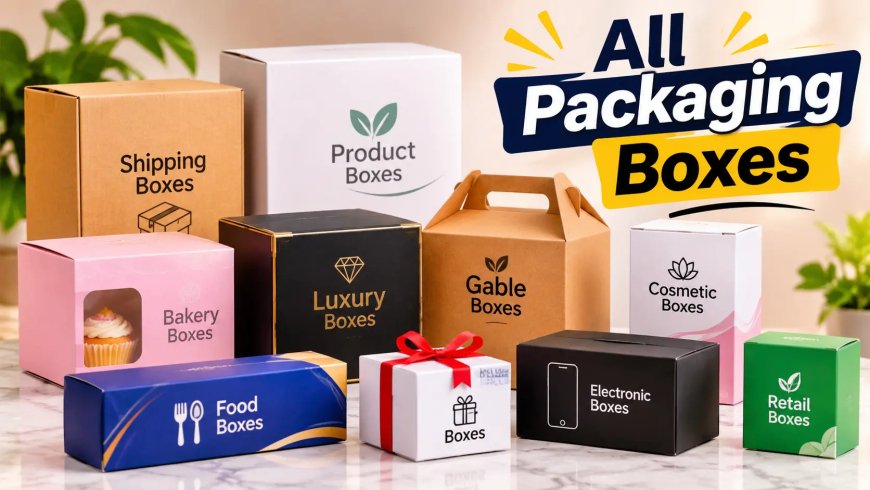
Packaging has become much more than a protective covering for products. In today's competitive marketplace, it plays an important role in how customers recognize, evaluate, and remember a brand. From retail shelves to online deliveries, packaging influences purchasing decisions, communicates product quality, and creates a connection between businesses and their customers. As consumer expectations continue to evolve, companies are paying greater attention to packaging that combines functionality, visual appeal, and sustainability.
Custom packaging gives businesses the opportunity to create solutions that reflect their identity while meeting specific product requirements. Whether a company sells cosmetics, food items, clothing, electronics, or specialty products, the right packaging can improve product presentation and provide a more consistent customer experience.
Custom printed boxes, branded retail packaging, and environmentally responsible materials are becoming increasingly important for businesses of different sizes. Understanding these packaging options can help companies make better decisions, control costs, and establish a recognizable market presence.
Why Custom Packaging Matters for Modern Businesses
Every product needs packaging that serves its purpose. However, standard packaging does not always meet the unique requirements of every business. Different products have different shapes, sizes, storage conditions, and presentation needs.
Custom packaging allows businesses to address these differences through personalized dimensions, materials, printing, and structural designs. Instead of choosing a generic container, companies can develop packaging that fits their products more accurately.
One major advantage of Sustainable Packaging Solutions is brand recognition. Consistent colors, logos, typography, and visual elements make it easier for customers to identify products. When customers repeatedly encounter the same branding across different packaging formats, it helps create familiarity and trust.
Another important benefit is product protection. Properly designed boxes help prevent damage during storage, handling, and transportation. This is particularly important for fragile products, cosmetics, food items, and electronics.
Custom packaging can also improve operational efficiency. Well-designed packaging may reduce unnecessary material usage, simplify storage, and make products easier to organize.
The Growing Role of Custom Printed Boxes in Brand Identity
Custom printed boxes are an effective way to combine product protection with brand communication. They allow businesses to display their logos, product information, promotional messages, and distinctive designs directly on the packaging.
Unlike plain containers, printed packaging creates an opportunity to communicate with customers before they even open the product.
Creating a Consistent Brand Appearance
Brand consistency is important for businesses that want to establish a recognizable identity. Packaging should complement other brand elements, including websites, advertisements, product labels, and promotional materials.
For example, a skincare company may use soft colors, clean typography, and minimal graphics to communicate simplicity and elegance. A children's product brand might prefer brighter colors and playful illustrations.
The design should reflect the intended audience while remaining easy to recognize.
Choosing the Right Printing Techniques
Printing quality can significantly influence the overall appearance of custom packaging. Businesses can select different printing methods depending on their design requirements, order quantities, and budgets.
Common printing options include:
- Digital printing: Suitable for detailed artwork, shorter production runs, and designs that require flexibility.
- Offset printing: Often used for larger production quantities and consistent, high-quality printed results.
- Screen printing: Useful for certain specialized designs and applications where particular ink effects are desired.
Additional finishing techniques can make printed boxes more distinctive. Embossing, debossing, foil stamping, matte lamination, glossy coatings, and spot UV are popular options for creating different visual and tactile effects.
Selecting the right combination of printing and finishing helps businesses achieve packaging that looks professional without adding unnecessary complexity.
Custom Retail Packaging and Its Influence on Purchasing Decisions
Retail packaging plays a significant role in how products are presented in physical stores. Customers often encounter several competing products within the same category, making visual presentation an important consideration.
Custom retail packaging helps businesses create a recognizable appearance while providing practical information about their products.
Improving Shelf Presentation
Retail shelves contain products from different brands, each competing for customer attention. Packaging with clear branding, appropriate colors, and readable information can help products communicate their value more effectively.
Businesses should avoid overcrowded designs that make packaging difficult to understand. A balanced layout, readable typography, and well-organized product information can create a more professional appearance.
Designing Packaging for Different Retail Environments
Not every retail product requires the same packaging structure.
Folding cartons are commonly used for lightweight consumer products, while rigid boxes provide a more substantial presentation for premium items. Display boxes can help retailers organize and showcase products, and window boxes allow customers to see selected product features without opening the package.
The right structure depends on the product's weight, dimensions, display requirements, and handling conditions.
Packaging as Part of the Customer Experience
Packaging continues to influence customer perception after a purchase. A well-designed box that opens easily and protects its contents can make the overall experience more satisfying.
This is particularly relevant for businesses selling gifts, specialty products, and premium consumer goods. Thoughtful details such as inserts, compartments, protective layers, and organized interiors can improve product presentation.
Cosmetic Packaging: Combining Protection, Design, and Functionality
The beauty and personal care industry places considerable importance on product presentation. Cosmetic products are often associated with appearance, quality, and personal preference, which makes packaging an important part of their overall identity.
Custom cosmetic packaging allows beauty brands to develop designs that match their product categories and target audiences.
Packaging for Skincare Products
Skincare products include creams, lotions, serums, moisturizers, and facial treatments. Each category may require different packaging dimensions and protective features.
Custom skincare boxes can include product descriptions, ingredient information, usage instructions, and branding elements. Depending on the product, inserts may also be used to keep containers properly positioned.
Businesses should consider the compatibility of packaging materials with the product's storage and transportation requirements.
Luxury Packaging for Makeup and Beauty Products
Premium makeup products often benefit from carefully designed packaging that communicates quality and attention to detail.
Foil stamping, embossed logos, elegant color combinations, and smooth finishes can help create a refined appearance. However, attractive packaging should also remain practical.
For example, lipstick boxes, eyeliner packaging, and foundation cartons should provide appropriate dimensions and sufficient protection while remaining convenient for retailers and customers.
Balancing Appearance With Product Safety
Cosmetic packaging must consider more than visual appeal. Certain beauty products may be sensitive to light, temperature, moisture, or contamination.
Businesses should select suitable primary containers and secondary packaging based on the formulation and applicable product requirements.
Well-planned cosmetic packaging supports both presentation and the practical needs of the product throughout its distribution process.
Food Packaging Solutions for Safety and Convenience
Food packaging serves several important purposes, including protecting products, supporting hygiene, maintaining quality, and providing useful information to consumers.
Restaurants, bakeries, food manufacturers, cafes, and takeaway businesses all have different packaging requirements.
Custom food packaging helps businesses select suitable structures and materials according to the type of food being packaged.
Bakery and Dessert Packaging
Bakeries frequently use packaging for cakes, cupcakes, pastries, cookies, donuts, and other desserts.
These products often require packaging that protects their shape and appearance during handling and transportation.
Cake boxes may include additional height and internal support, while cupcake boxes can use inserts to prevent individual items from moving. Window packaging can also allow customers to view baked goods without opening the container.
Custom bakery boxes provide an opportunity to display business logos, product information, and seasonal designs.
Restaurant and Takeout Packaging
Restaurants and takeaway businesses need packaging that supports convenient handling and delivery.
Common solutions include burger boxes, pizza boxes, food sleeves, paper bags, and takeaway containers.
The packaging should be selected according to food temperature, moisture content, grease exposure, and transportation time. Materials intended for direct food contact must meet applicable food-contact safety requirements.
A practical design can also make packaging easier to stack, store, and transport.
Food Labels and Printed Information
Food packaging often communicates important details about its contents. Depending on the product and applicable regulations, labels may include ingredients, allergen information, nutritional details, storage instructions, and expiration dates.
Businesses should ensure that printed information remains readable and accurate. Good packaging design combines visual branding with the information customers need to make informed purchasing decisions.
Sustainable Packaging Solutions and Environmentally Responsible Choices
Sustainability has become an important consideration in modern packaging decisions. Businesses are increasingly evaluating how packaging materials are sourced, manufactured, used, and disposed of.
Sustainable packaging solutions aim to reduce unnecessary environmental impact while maintaining the protection and functionality products require.
Choosing Recyclable Packaging Materials
Cardboard and paper-based materials are commonly used in recyclable packaging applications.
Kraft paper is particularly popular for businesses seeking a natural appearance. Corrugated cardboard offers additional structural strength and is widely used for shipping and transportation.
Material selection should consider the product's requirements, the available recycling infrastructure, and any coatings or additional components used in the packaging.
Reducing Unnecessary Packaging Waste
One practical way to improve packaging sustainability is to avoid excessive material usage.
Oversized boxes often require additional filler materials and occupy more storage and shipping space. Properly sized packaging can help reduce these issues.
Businesses can evaluate their packaging dimensions and consider structural adjustments that maintain product protection while minimizing unnecessary materials.
Exploring Reusable and Recyclable Designs
Some packaging formats can be designed for reuse, while others are intended for recycling after a single use.
Reusable rigid boxes, paper bags, and durable containers may serve different purposes depending on the product and customer expectations.
However, businesses should evaluate the complete lifecycle of packaging rather than assuming that a particular material is automatically the most sustainable option.
A responsible packaging strategy considers material sourcing, production processes, transportation, durability, and end-of-life disposal.
How to Select the Right Packaging Materials and Finishes
Choosing appropriate packaging materials is an important step in developing a successful packaging solution.
Different materials provide different levels of strength, flexibility, appearance, and protection.
Cardboard and Cardstock
Cardboard and cardstock are widely used for retail cartons, cosmetic boxes, product packaging, and gift boxes.
They offer flexibility in printing and structural design, making them suitable for many consumer products.
Kraft Paper
Kraft paper is known for its natural brown appearance and is frequently used for environmentally conscious packaging designs.
It is suitable for many retail, bakery, gift, and general packaging applications.
Corrugated Cardboard
Corrugated cardboard contains a fluted layer between liner sheets, providing additional cushioning and structural strength.
It is commonly used for shipping boxes, mailer packaging, and products that require extra protection during transportation.
Finishes and Custom Features
Packaging finishes can enhance the appearance of a box and reinforce its overall design.
Popular customization options include:
- Matte and gloss lamination.
- Embossing and debossing.
- Metallic foil stamping.
- Spot UV coating.
- Die-cut windows.
- Custom inserts and dividers.
- Personalized shapes and structural designs.
The most effective packaging design balances aesthetics, functionality, and production costs.
What Businesses Should Consider Before Ordering Custom Packaging
Before investing in customized packaging, businesses should evaluate their requirements carefully.
First, they should identify the product's dimensions, weight, and protection needs. Accurate measurements help determine the appropriate box style and material.
Second, companies should establish their branding requirements. This includes logo placement, color selection, typography, artwork, and printed information.
Third, businesses should consider order quantities and production budgets. Larger orders may offer lower per-unit costs, but purchasing more packaging than necessary can increase storage expenses and create excess inventory.
It is also useful to review a digital mockup or physical prototype before approving full production. This allows businesses to evaluate dimensions, artwork placement, structural design, and overall appearance.
Working with an experienced packaging provider can make this process more organized.
New York Packaging Hub offers customized packaging options across several industries, including retail, cosmetics, food, gifts, and electronics. Its packaging services cover different materials, printing methods, structural styles, and finishing options, helping businesses explore solutions according to their specific requirements.
The Future of Custom Packaging
The packaging industry continues to develop as businesses respond to changing consumer expectations, retail trends, and environmental considerations.
Several developments are influencing the future of packaging.
Digital printing is making it easier to create flexible packaging designs and personalized artwork. Improved structural engineering is helping manufacturers develop packaging that uses materials more efficiently. Meanwhile, businesses are exploring recyclable materials, reusable formats, and packaging designs that support more responsible resource management.
Technology is also creating opportunities for better customer engagement. QR codes, interactive labels, and digital product information can connect physical packaging with online experiences.
As these developments continue, businesses will need to consider how packaging can support product protection, brand identity, operational efficiency, and customer expectations.
Conclusion
Custom packaging is an important part of modern business strategy. It protects products, communicates brand identity, improves retail presentation, and contributes to the customer experience.
From custom printed boxes and retail packaging to specialized cosmetic packaging and food containers, every packaging decision should reflect the product's practical requirements and the brand's overall objectives.
Sustainable packaging solutions also provide opportunities to reduce unnecessary waste and make more responsible material choices. By focusing on suitable materials, thoughtful designs, appropriate printing techniques, and efficient packaging structures, businesses can create solutions that deliver long-term value.
What's Your Reaction?
 Like
0
 Dislike
0
 Love
0
 Funny
0
 Angry
0
 Sad
0
 Wow
0