




























Essential Safety Checks Every Driver Should Make Before Starting a Journey
Discover essential vehicle safety checks every driver should make before a journey, from tyres and brakes to lights, mirrors, and emergency supplies.

Driving is a responsibility that begins long before you turn the ignition key. Whether you are heading to work, taking the family on a road trip, or making a short trip to the grocery store, preparing your vehicle properly can make a significant difference to your safety. Many road accidents and unexpected breakdowns can be prevented by identifying potential problems before setting off. A few simple checks can help you avoid unnecessary risks and enjoy a more comfortable journey.
Developing good driving habits means understanding both your vehicle and the road conditions ahead. Learning these habits through professional guidance, such as lessons at a Driving school in Richmond, can help new and experienced drivers become more responsible behind the wheel. While some safety checks may seem minor, overlooking them can lead to serious problems when you are travelling at speed or driving in challenging conditions. Taking a few minutes to inspect your vehicle before every journey is a practical way to protect yourself, your passengers, and other road users.
1. Check Your Tyres Before Driving
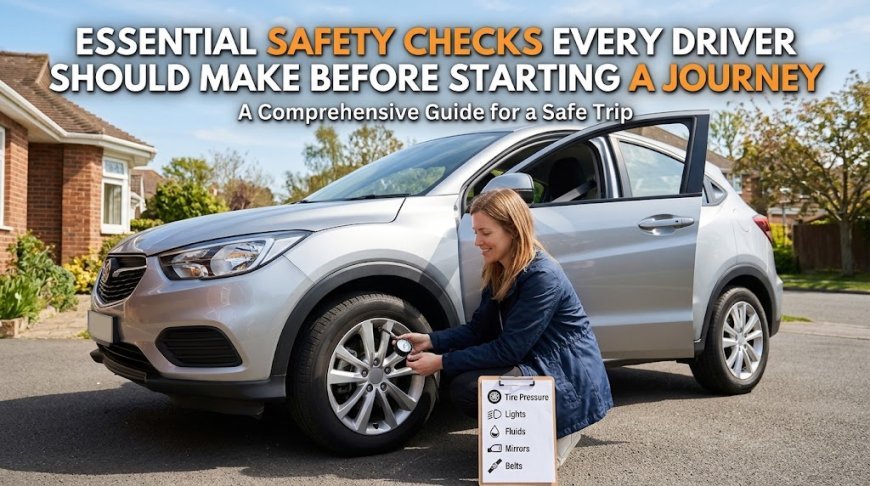
Your tyres are the only parts of your vehicle that maintain direct contact with the road. Their condition affects braking, steering, handling, and overall stability. For this reason, checking your tyres should always be one of your first priorities.
Inspect Tyre Pressure
Incorrect tyre pressure can affect how your vehicle performs. Underinflated tyres may increase fuel consumption, create additional heat, and make steering less predictable. Overinflated tyres can reduce the contact area between the tyre and road, potentially affecting grip and comfort.
Check your tyre pressure regularly using a reliable pressure gauge. Follow the recommended pressure listed in your vehicle's manual or on the manufacturer's information label. Remember that tyre pressure should generally be checked when the tyres are cold.
Look for Damage and Uneven Wear
Take a moment to examine each tyre for visible cuts, cracks, bulges, embedded objects, or unusual wear patterns. These signs may indicate that a tyre needs professional attention.
Also, check that the tread depth meets the legal requirements in your area. Adequate tread helps tyres maintain grip, particularly on wet roads where water can reduce traction.
Do not forget to inspect your spare tyre, if your vehicle carries one. A spare tyre is only useful when it is properly inflated and in suitable condition.
2. Test Your Brakes for Reliable Stopping
Your braking system is one of the most important safety features in your vehicle. Even a short journey can become dangerous if your brakes are not working correctly.
Before leaving, pay attention to how the brake pedal feels. It should respond consistently without feeling unusually soft, spongy, or excessively hard.
Listen for warning sounds such as grinding, squealing, or unusual scraping when applying the brakes. These noises may indicate worn brake pads or other mechanical problems.
You should also check whether the vehicle pulls to one side during braking or takes longer than usual to stop. These symptoms should never be ignored.
If you notice anything unusual, arrange for a qualified mechanic to inspect the braking system before continuing your journey. Never assume that a minor braking issue will resolve itself.
3. Make Sure All Lights Are Working Properly
Vehicle lights help you see the road and allow other drivers, cyclists, and pedestrians to understand your movements. Faulty lights can reduce visibility and increase the risk of accidents, particularly at night or during poor weather.
Before starting your journey, check the following:
- Headlights: Make sure both low-beam and high-beam settings work correctly.
- Brake lights: Confirm that they illuminate when you press the brake pedal.
- Turn signals: Test both left and right indicators.
- Tail lights: Ensure other road users can see your vehicle from behind.
- Hazard lights: Check that they operate correctly in emergencies.
- Reverse lights: Make sure they illuminate when reverse gear is selected.
- Fog lights: Check their operation if your vehicle is equipped with them.
If possible, ask someone to stand outside the vehicle while you test the lights. You can also use a reflective surface or a suitable vehicle inspection area.
Clean dirty light covers and replace damaged or faulty bulbs promptly. Properly functioning lights improve visibility and help prevent misunderstandings between road users.
4. Check Your Mirrors and Adjust Your Driving Position
A comfortable driving position allows you to maintain better control and respond quickly to unexpected situations. Before starting the engine, make sure your seat, mirrors, and steering wheel are correctly adjusted.
Adjust Your Seat
Your seat should allow you to reach the pedals comfortably without stretching your legs. Keep a slight bend in your knees when pressing the pedals fully.
You should also be able to hold the steering wheel comfortably while maintaining a relaxed posture. Avoid sitting too close to the steering wheel, as this can interfere with safe airbag operation.
Position Your Mirrors Correctly
Adjust your rear-view mirror to provide a clear view through the back window. Set your side mirrors to minimise blind spots while maintaining awareness of the traffic around your vehicle.
Remember that mirrors do not eliminate every blind spot. Before changing lanes, merging, or turning, check your surroundings with an appropriate shoulder check.
These small adjustments can make driving more comfortable and help you maintain better awareness throughout your journey.
5. Inspect Engine Oil and Other Essential Fluids
Your vehicle depends on several fluids to operate safely and efficiently. Low or contaminated fluid levels can cause mechanical damage and affect important vehicle systems.
Before a longer journey, check the following fluids according to your vehicle manufacturer's instructions.
Engine Oil
Engine oil lubricates moving engine components and helps control friction and heat. Insufficient oil can cause excessive wear and potentially serious engine damage.
Use the dipstick or electronic oil-level monitoring system, depending on your vehicle. Check the level on level ground and follow the recommended procedure in your owner's manual.
Coolant
Coolant helps regulate engine temperature and prevents overheating. Check the coolant level in the designated reservoir when the engine is completely cool.
Never remove a hot radiator cap because pressurised coolant can cause severe burns.
Brake Fluid
Brake fluid transfers pressure through the braking system. A low level may indicate a leak or excessive brake component wear. If the level is below the recommended mark, have the vehicle inspected rather than simply topping it up and ignoring the cause.
Windshield Washer Fluid
Clear visibility is essential for safe driving. Fill the washer reservoir with an appropriate cleaning solution so you can remove dirt, dust, insects, and road spray from the windshield.
6. Check Your Windshield, Windows, and Wipers
Good visibility is essential in every driving situation. A dirty windshield, damaged wipers, or obstructed windows can make it difficult to identify hazards in time.
Before setting off, inspect your windshield for cracks, chips, or damage that could interfere with your view. Even small chips can become larger due to temperature changes or road vibrations.
Next, test your windshield wipers. Look for cracked rubber, uneven movement, or streaks left behind during operation. Worn wiper blades should be replaced before they become a problem during heavy rain.
Make sure your windows are clean from both inside and outside. Remove unnecessary objects from the dashboard and avoid hanging decorations that obstruct your view.
If you are travelling in rainy or snowy conditions, confirm that your front and rear defogging systems are working properly.
7. Confirm That Your Seatbelts Are Working
Seatbelts are among the most important vehicle safety features. They help reduce the risk of serious injury by keeping occupants properly restrained during sudden stops or collisions.
Before starting your journey, make sure every passenger has access to a suitable seatbelt.
Check that the belts extend and retract smoothly, lock properly when pulled sharply, and do not have visible cuts, fraying, or damaged buckles.
Make sure passengers wear their seatbelts correctly. The lap belt should sit low across the hips, while the shoulder belt should cross the chest and shoulder.
Children should use appropriate child restraints or booster seats based on their age, size, and applicable local regulations.
Never begin driving until everyone is properly secured.
8. Check Your Fuel Level and Plan Your Route
Running out of fuel can leave you stranded in an unsafe location, especially on highways or unfamiliar roads. Checking your fuel level before departure is a simple way to avoid unnecessary interruptions.
For longer journeys, plan where you may need to refuel. Do not wait until the fuel warning light appears before looking for a petrol station.
Route planning is equally important. Review your destination, estimated travel time, road conditions, and possible alternative routes before leaving.
Consider the following:
- Check for road closures and construction work.
- Allow extra time for traffic delays.
- Identify suitable places to stop and rest.
- Check weather forecasts before travelling.
- Make sure your navigation system is ready.
Planning ahead reduces distractions and helps you focus on driving instead of making last-minute decisions.
9. Prepare an Emergency Kit for Unexpected Situations
Even well-maintained vehicles can experience unexpected problems. Carrying basic emergency supplies can help you manage minor difficulties until assistance arrives.
Your emergency kit should include:
- A first-aid kit.
- A reflective warning triangle, where legally required and safe to use.
- A high-visibility vest.
- A flashlight with spare batteries.
- A portable phone charger or power bank.
- Drinking water.
- Basic vehicle tools.
- A tyre pressure gauge.
- A spare tyre or suitable tyre repair equipment, where applicable.
- Emergency contact information.
If you regularly travel long distances, consider keeping a blanket and some non-perishable snacks in your vehicle.
You should also know how to contact roadside assistance and understand the basic procedures to follow if your vehicle breaks down.
10. Pay Attention to Weather and Road Conditions
Your vehicle may be in excellent condition, but poor weather can still create dangerous driving situations.
Before leaving, check the weather forecast and consider how conditions could affect your journey.
Rain can reduce tyre grip and increase stopping distances. Fog can limit visibility, while strong winds may affect vehicle stability, particularly when driving larger vehicles.
If you expect challenging weather, consider whether your journey is necessary. If you must travel, reduce your speed appropriately, increase your following distance, and avoid sudden steering or braking movements.
During heavy rain, never drive through floodwater unless you are certain it is safe. Water depth and road conditions can be difficult to judge, and even relatively shallow water may create serious risks.
Remember that arriving safely is more important than reaching your destination quickly.
11. Check Your Dashboard Warning Lights
Modern vehicles use dashboard warning lights to communicate potential mechanical or safety problems. Understanding these signals can help you identify issues before they become more serious.
When you start the ignition, several warning lights may briefly illuminate as part of the vehicle's self-check process.
Pay particular attention to warnings related to:
- Engine temperature.
- Engine oil pressure.
- Battery or charging system.
- Brake system.
- Tyre pressure.
- Airbag system.
- Anti-lock braking system (ABS).
A red warning light generally indicates a problem requiring immediate attention. Stop safely when necessary and consult your owner's manual.
Amber or yellow warning lights usually indicate a fault or condition that needs attention soon. However, their meaning varies by vehicle.
Never ignore warning lights simply because the vehicle appears to be driving normally. Some problems are not immediately noticeable from behind the steering wheel.
12. Make Sure You Are Physically and Mentally Ready to Drive
Vehicle preparation is only one part of journey safety. Your physical and mental condition also affects your ability to drive responsibly.
Before getting behind the wheel, consider whether you are alert, rested, and comfortable enough to concentrate.
Avoid driving when you are extremely tired, unwell, or affected by alcohol, recreational drugs, or medication that causes drowsiness. Fatigue can slow reaction times and make it harder to recognise potential hazards.
Put your mobile phone away or activate an appropriate driving mode. Set your navigation system, choose your music, and organise anything you may need before moving off.
If you are feeling stressed or distracted, take a few moments to settle yourself before starting the journey.
A responsible driver understands that personal readiness is just as important as vehicle maintenance.
Build a Simple Pre-Drive Safety Routine
You do not need to spend a long time inspecting your vehicle before every short journey. The key is to develop a consistent routine that covers the most important safety areas.
Here is a simple checklist you can follow before setting off:
- Check tyres for visible damage and low pressure.
- Confirm that brakes feel normal.
- Test headlights, indicators, and brake lights.
- Adjust your seat, mirrors, and steering wheel.
- Check for visible fluid leaks.
- Ensure windows and mirrors are clean.
- Confirm that everyone is wearing a seatbelt.
- Check fuel or battery charge.
- Review weather and traffic conditions.
- Make sure you are alert and ready to drive.
For longer trips, include additional checks such as engine oil, coolant, spare tyre condition, and emergency equipment.
Following the same routine consistently makes it easier to remember important details and reduces the chances of overlooking something.
Conclusion
Safe driving begins before your vehicle moves. Checking tyres, brakes, lights, mirrors, fluids, seatbelts, and dashboard warnings can help identify potential problems before they become dangerous. Equally important are planning your route, preparing for changing weather, carrying emergency supplies, and making sure you are mentally and physically ready for the journey. These simple habits can improve road safety, reduce the likelihood of breakdowns, and give you greater confidence behind the wheel. Whether you are a beginner or an experienced motorist, developing responsible driving habits is a lifelong process. Learning proper vehicle preparation and road safety through professional instruction at Benche Driving School can help you build the knowledge and confidence needed to make safer decisions on every journey. Remember, a few minutes of preparation can make a meaningful difference to your safety and the safety of everyone sharing the road.
What's Your Reaction?
 Like
0
 Dislike
0
 Love
0
 Funny
0
 Angry
0
 Sad
0
 Wow
0