






















Fish Processing Technology: Methods and Safety
Fish processing technology covers the methods used to handle, preserve, transform, package, and distribute fish and seafood while protecting quality and safety.

Fish processing technology covers the methods used to handle, preserve, transform, package, and distribute fish and seafood while protecting quality and safety. Because fish is highly perishable, time and temperature management are central from landing or receiving through storage and dispatch. Processing may include chilling, freezing, filleting, drying, salting, smoking, canning, or producing value-added products. FICSI-Elearning can help learners explore food-sector training and understand the process knowledge needed for seafood handling and manufacturing roles.
Key Stages in Fish Processing
The exact process depends on the species, product form, market, and intended shelf life. Regardless of method, hygienic handling and control of the cold chain are essential to limit quality loss and manage food safety risks.
Receiving, identification and inspection
Fish should be received from approved sources and checked for condition, temperature, packaging, odour, and relevant documentation. Species identification and lot coding support traceability and help prevent product substitution or mix-ups. Damaged or suspect consignments should be held for assessment under the site's procedure rather than mixed into acceptable stock.
Washing, sorting and preparation
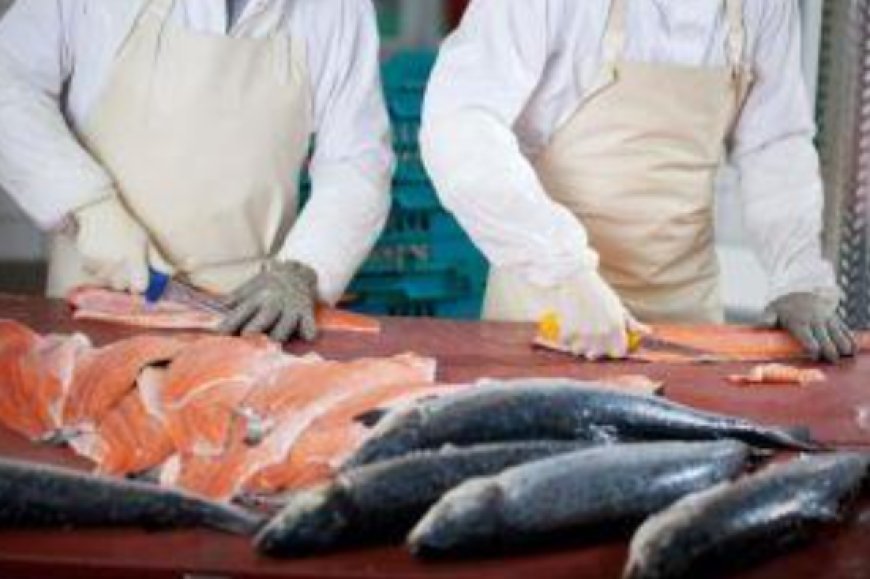
Depending on the product, preparation may include washing, scaling, gutting, heading, trimming, filleting, or portioning. Potable water, clean knives, sanitised tables, and hygienic handling reduce contamination. Workers should separate waste from edible product and keep tools maintained. Cutting methods influence yield, appearance, and consistency, so staff need training and clear work instructions.
Chilling and freezing
Rapid chilling helps slow deterioration, while freezing is used to preserve products for longer storage and distribution. Temperature targets, time limits, packaging, and equipment settings depend on the product and applicable requirements. Freezing does not make poor-quality raw material fresh again, and temperature abuse before freezing can still affect quality. Cold storage records and stock rotation support reliable handling.
Common Fish Processing Methods
Different processing methods alter moisture, temperature, texture, flavour, or packaging conditions. Each method needs controls suited to the product and should follow a defined process.
Salting, drying and smoking
Salting and drying reduce available moisture in ways that can help preserve some products when the process is correctly designed. Smoking adds characteristic flavour and may contribute to preservation, but it does not automatically make a product safe. Salt levels, drying conditions, smoke process, hygiene, and storage requirements need to be specified and monitored.
Canning and heat processing
Canned seafood requires a validated heat process, suitable containers, correct sealing, and controls to prevent post-process contamination. The required process depends on the product, container size, and formulation. Operators must follow approved schedules and maintain records; visual inspection alone cannot establish that a canned product is safe. Deviations need immediate escalation under the plant's procedure.
Value-added seafood products
Fish cakes, marinated portions, breaded fillets, and ready-to-cook products can add convenience and market value. They may also introduce additional ingredients, allergens, handling steps, and opportunities for cross-contamination. Recipe control, ingredient identification, cooking or handling instructions, packaging, and traceability should be considered during product development.

Food Safety and Quality in Seafood Operations
Seafood plants use preventive controls to manage biological, chemical, and physical hazards while maintaining product characteristics. Training should connect hazard awareness with actual procedures, monitoring, and corrective action.
Temperature and hygiene control
Maintain product at the required temperature throughout receiving, preparation, processing, storage, and dispatch. Monitor equipment and product temperatures according to the plan, and respond to deviations using documented procedures. Clean and sanitise food-contact surfaces, control water quality, and prevent raw seafood from contaminating cooked or ready-to-eat products.
Allergens and cross-contamination
Fish and crustaceans are important allergens, and some facilities also handle molluscs, wheat, milk, soy, or other ingredients. Segregation, clear labelling, controlled rework, and verified cleaning help manage cross-contact. Staff must know which products are handled on each line and how to respond to a recipe or label mismatch.
Traceability and cold-chain records
Lot codes, supplier details, processing dates, temperature records, and dispatch information allow a business to trace product movement. Accurate records help investigate customer complaints and support targeted withdrawal or recall when required. Traceability works only when information is recorded consistently and links remain intact as product is divided, repacked, or transformed.
Developing Skills in Fish Processing Technology
Fish processing technology brings together raw material inspection, hygienic preparation, preservation, packaging, cold-chain control, and traceability. Learners considering food-sector roles can use FICSI-Elearning to explore structured learning and build an understanding of these operations. Practical competence must also include site-specific training, safe equipment use, accurate records, and compliance with applicable seafood safety requirements.
Equipment and Worker Safety
Processing areas may use sharp knives, conveyors, cutting equipment, freezers, hot-water systems, and cleaning chemicals. Workers should use the correct protective equipment, follow machine guarding and isolation procedures, and report damaged tools or unsafe conditions. Training should include ergonomics and safe handling because repetitive work and wet floors can increase injury risk.
Sustainable Handling and Waste Management
Efficient trimming, careful yield control, suitable by-product use, and correct waste segregation can reduce avoidable losses. Waste must be removed in a way that does not attract pests or contaminate edible product. Environmental and sustainability claims should be supported by evidence, and all by-product uses must meet relevant safety and regulatory requirements.
What's Your Reaction?
 Like
0
 Dislike
0
 Love
0
 Funny
0
 Angry
0
 Sad
0
 Wow
0