
















Employee Monitoring and the Future of Workplace Productivity
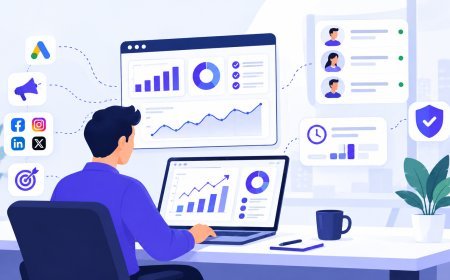
Employee monitoring can provide valuable visibility into work patterns, productivity changes, and operational conditions.
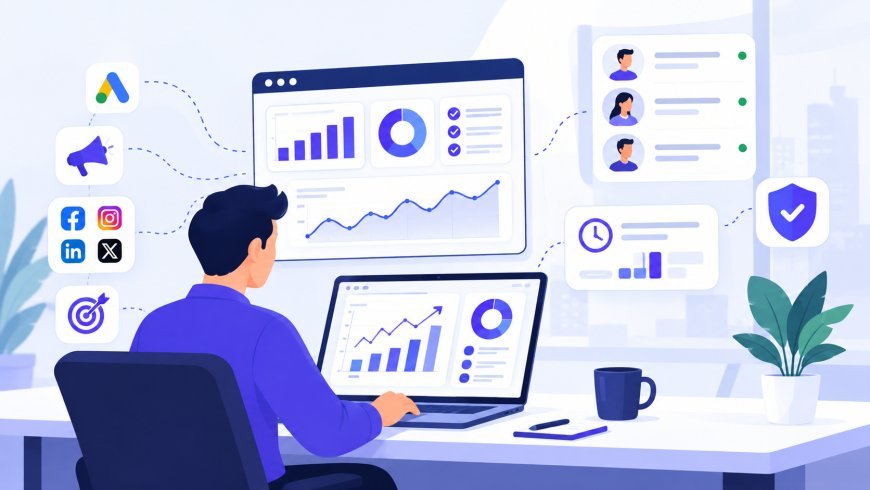
Workplace productivity is changing as teams adopt flexible schedules, digital workflows, and new collaboration methods. Simply counting hours or completed tasks no longer gives organizations enough information to understand how effectively work is being done.
Employee monitoring can help businesses gain a clearer view of changing work patterns, workflow efficiency, and team performance. When used responsibly, these insights can support better decisions and help organizations create working environments where productivity can improve without relying on constant supervision.
Productivity Is Becoming More Contextual
Productivity looks different across roles. A developer, sales representative, designer, and customer support employee may have completely different daily responsibilities and ways of measuring progress.
This makes simple activity counts less useful on their own. Organizations need to consider workload, task complexity, collaboration, and the processes surrounding each role.
Employee monitoring can provide additional context by helping managers understand how work is progressing and which conditions may be influencing performance.
The Future Will Focus More on Work Patterns
Workplaces are becoming increasingly flexible. Employees may work from home, from an office, or across multiple locations while remaining part of the same team.
This creates a need for management methods that focus on patterns rather than physical presence. Changes in work activity, workload distribution, and project progress can provide useful signals about how teams are operating.
Looking at these patterns over time can help managers recognize productivity changes before they develop into larger operational problems.
Turning Productivity Challenges Into Better Workflows
A productivity problem is not always an employee problem. Repeated delays may come from complicated approval processes, excessive meetings, unclear ownership, or inefficient handoffs between teams.
Workplace insights can help organizations identify where these issues occur. Managers can then focus on improving the workflow itself instead of simply asking employees to increase their output.
This approach can create more sustainable productivity because employees are supported by better systems rather than increased pressure.
Time Champ: Supporting the Next Generation of Workplace Productivity
Time Champ helps organizations understand productivity patterns, attendance, work habits, and workforce activity through reports and analytics. Managers can use these insights to identify operational trends and understand what may be affecting team performance.
For businesses researching Best empmloyee monitoring tools, Time Champ can provide workforce visibility across remote, hybrid, and office-based teams. The information can help managers review workload patterns, improve resource allocation, and identify opportunities to make everyday workflows more efficient.
A Time Card Calculator can complement these insights when organizations need accurate work-hour calculations for attendance, scheduling, or workforce planning.
Using Data Without Losing the Human Element
The future of workplace productivity will not be determined by data alone. Numbers need to be interpreted alongside employee feedback, project requirements, and business conditions.
For example, a change in productivity may be caused by a demanding project rather than a performance issue. Managers who consider workplace data alongside direct communication can make more balanced decisions and provide better support.
This makes employee monitoring more useful as a decision-support resource rather than a replacement for human management.
Helping Employees Improve Their Own Productivity
Productivity insights can also benefit employees directly. When people understand how they organize their workday, they may discover patterns that affect their focus and efficiency.
Frequent task switching, repeated interruptions, or excessive time spent on routine activities can become easier to recognize. Employees can then adjust their schedules, prioritize important responsibilities, and create better working habits.
This turns workplace visibility into an opportunity for individual improvement as well as organizational improvement.
Preparing for New Ways of Working
The workplace will continue to evolve as businesses adopt new technologies, flexible work models, and increasingly digital processes. Productivity strategies will need to adapt alongside these changes.
Organizations that regularly review workforce patterns can identify what is working and what needs to change. This allows leaders to improve processes gradually instead of waiting until productivity problems become difficult to reverse.
The ability to learn from workplace patterns will become increasingly important as teams become more distributed and work becomes more digitally connected.
Measuring Sustainable Productivity
Short-term productivity gains can be useful, but sustainable performance requires more than temporary increases in activity. Organizations need to understand whether improvements continue over time and whether employees can maintain them without excessive workload pressure.
Workplace insights can help managers compare performance patterns across different periods and evaluate whether changes are producing lasting results.
This creates a continuous cycle of observation, adjustment, and improvement that can support healthier and more consistent productivity.
Conclusion
The future of workplace productivity will depend on understanding how people, processes, and technology work together. Organizations need more than hours worked or tasks completed to understand what drives effective performance.
Employee monitoring can provide valuable visibility into work patterns, productivity changes, and operational conditions. Businesses exploring Best empmloyee monitoring tools can use these insights to improve workflows, support employees, and make more informed workforce decisions.
With solutions such as Time Champ and practical resources like a Time Card Calculator, organizations can prepare for changing work environments while building productivity practices that are efficient, sustainable, and adaptable.
What's Your Reaction?
 Like
0
Like
0
 Dislike
0
Dislike
0
 Love
0
Love
0
 Funny
0
Funny
0
 Angry
0
Angry
0
 Sad
0
Sad
0
 Wow
0
Wow
0