



















Floor Scrubbers for Concrete Floors: A Complete Guide to Better Cleaning and Maintenance
Although concrete is known for its durability, it is not completely resistant to stains and surface contamination.

Concrete floors are widely used in warehouses, manufacturing facilities, retail stores, parking garages, and commercial buildings. Their strength, durability, and ability to handle heavy foot traffic and equipment make them a practical flooring choice.
However, concrete surfaces can accumulate dust, grease, oil, tire marks, and stubborn dirt over time. Regular mopping and manual cleaning are often insufficient, especially in large facilities. This is where floor scrubbers for concrete floors become an effective solution.
Designed to remove accumulated dirt while improving cleaning efficiency, commercial floor scrubbers help businesses maintain cleaner, safer, and more presentable environments. Choosing the right equipment can also reduce labor requirements and support long term floor maintenance.
Why Concrete Floors Require Professional Cleaning
Although concrete is known for its durability, it is not completely resistant to stains and surface contamination. Unsealed concrete is particularly porous, meaning it can absorb oil, moisture, chemicals, and other substances. Even sealed concrete requires regular attention to prevent dirt buildup and maintain its appearance.
In industrial and commercial environments, accumulated debris can create additional problems. Dust may affect indoor air quality, while oil and liquid spills can increase slipping risks. Persistent grime can also make an otherwise professional facility look poorly maintained.
Professional floor cleaning equipment addresses these challenges by combining mechanical scrubbing with controlled water and cleaning solution application. This process removes contaminants more effectively than many traditional cleaning methods.
How Floor Scrubbers Work on Concrete Surfaces
A commercial floor scrubber typically uses rotating brushes or abrasive pads to loosen dirt from the floor. Water and an appropriate cleaning solution help break down stubborn deposits, while a built in vacuum system collects the dirty water through a rear squeegee.
This combination allows operators to scrub and recover wastewater in a single pass. As a result, the floor is left significantly cleaner with less standing moisture.
Different machines offer different cleaning capabilities. Some are designed for everyday maintenance, while others are built to handle demanding industrial environments with heavy soil accumulation.
Types of Floor Scrubbers for Concrete Floors
Understanding the available equipment types makes it easier to select a machine that matches the facility's cleaning requirements.
Walk Behind Floor Scrubbers
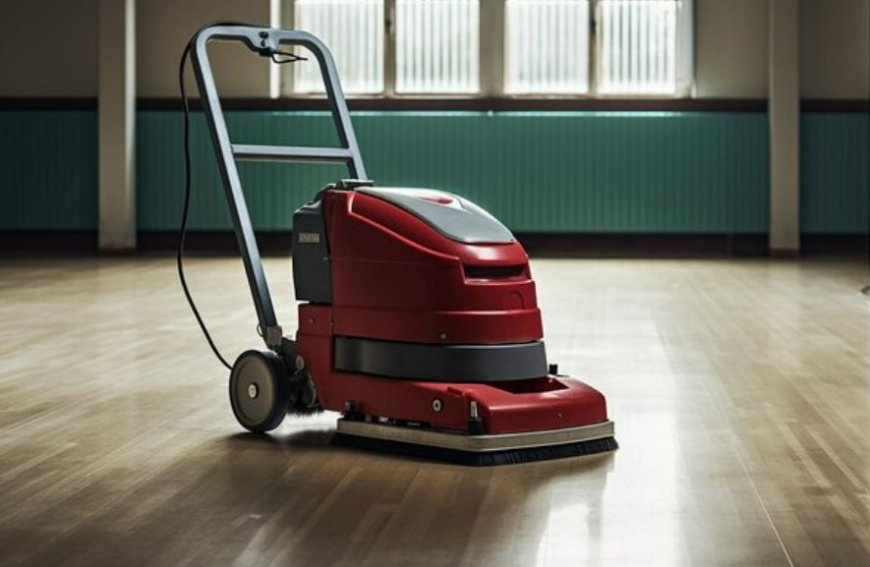
Walk behind scrubbers are suitable for small and medium sized commercial spaces. They provide good maneuverability, making them useful in storage areas, retail environments, workshops, and facilities with narrow aisles.
These machines allow operators to control the cleaning process closely while covering more ground than traditional manual methods. They are a practical option for businesses that need reliable cleaning without investing in larger equipment.
Ride On Floor Scrubbers
Ride on scrubbers are designed for large spaces where cleaning speed and productivity are important. Operators sit on the machine while it cleans, reducing physical effort and allowing longer cleaning sessions.
They are particularly useful in distribution centers, warehouses, factories, and large commercial buildings. Their wider cleaning paths and larger solution tanks can help reduce interruptions during daily cleaning operations.
Cylindrical and Disc Floor Scrubbers
Disc scrubbers use circular brushes or pads to clean relatively smooth concrete surfaces. They are effective for removing general dirt, scuff marks, and everyday grime.
Cylindrical scrubbers use rotating cylindrical brushes that can collect small debris while scrubbing. They may be particularly useful in facilities where dust, loose particles, and textured flooring are common.
The right choice depends on the floor's condition, surface texture, and type of contamination.
Key Factors to Consider Before Buying a Floor Scrubber
Purchasing commercial floor cleaning equipment requires more than comparing machine prices. Businesses should consider their actual cleaning conditions and long term operational needs.
Floor Size and Cleaning Frequency: Large facilities generally benefit from wider cleaning paths and larger tanks. Smaller spaces may require compact machines that can navigate around furniture, shelving, and equipment.
Concrete Surface Condition: Smooth, sealed concrete may require standard brushes or pads, while rough or heavily soiled surfaces may need more aggressive scrubbing capabilities. Always check that the selected brush or pad is appropriate for the floor finish.
Tank Capacity: Larger solution and recovery tanks allow operators to clean longer without stopping to refill or empty the machine. This can improve productivity in extensive commercial spaces.
Power Source: Battery operated scrubbers offer flexibility and eliminate trailing power cords. However, businesses should consider battery runtime, charging requirements, and the expected length of cleaning shifts.
Maintenance and Operating Costs: Brush replacement, squeegee wear, batteries, filters, and cleaning chemicals all contribute to ownership costs. Selecting equipment with accessible replacement parts and straightforward maintenance can make a significant difference over time.
Tips for Maintaining Concrete Floors with a Scrubber
Even high quality equipment requires proper operation and routine maintenance. Before scrubbing, remove loose debris and inspect the surface for large objects that could damage the brushes.
Use cleaning solutions formulated for the specific concrete finish. Avoid harsh chemicals that could damage protective coatings or leave unwanted residue. Operators should also follow the manufacturer's recommendations for water temperature, dilution, and brush selection.
After each cleaning session, empty and rinse the recovery tank, clean the brushes, and inspect the squeegee blades. Check batteries and charging connections when applicable. Regular inspections help identify minor problems before they lead to costly equipment downtime.
Establishing a consistent cleaning schedule is equally important. High traffic industrial areas may require daily scrubbing, while less frequently used spaces may need less frequent attention.
Conclusion
Keeping concrete floors clean requires the right combination of equipment, cleaning techniques, and routine maintenance. Floor scrubbers for concrete floors offer businesses an efficient way to remove stubborn dirt, manage large cleaning areas, and maintain safer working environments.
Whether a facility needs a compact walk behind machine or a high capacity ride on scrubber, selecting equipment based on floor conditions, cleaning frequency, and operational requirements is essential. With proper equipment and consistent maintenance, businesses can protect their concrete surfaces while improving overall cleaning productivity.
Frequently Asked Questions
1. Can floor scrubbers be used on all concrete floors?
Most commercial floor scrubbers can clean concrete surfaces, including sealed and unsealed floors. However, brush selection and cleaning solutions should match the surface condition and protective coating.
2. How often should concrete floors be scrubbed?
Cleaning frequency depends on foot traffic, industrial activity, and the amount of dirt generated. Busy warehouses and manufacturing facilities may require daily scrubbing, while lower traffic commercial spaces may need less frequent cleaning.
3. Are ride on floor scrubbers better than walk behind models?
Neither option is universally better. Ride on machines are generally more suitable for large facilities, while walk behind scrubbers offer better maneuverability in smaller or more confined spaces.
4. What cleaning solution should be used in a concrete floor scrubber?
Use a commercial cleaning solution specifically formulated for concrete and compatible with the machine. The appropriate product depends on whether the floor is sealed, unsealed, oily, or heavily soiled. Always follow the equipment manufacturer's instructions.
What's Your Reaction?
 Like
0
 Dislike
0
 Love
0
 Funny
0
 Angry
0
 Sad
0
 Wow
0