



















The Quiet Power of Saudi Men’s chicsandl.com: Why نعال Still Rule Everyday Style
One name that surfaces repeatedly in these conversations is chicsandl. The Saudi online store focuses on premium men’s oriental shoes and sandals, offering everything from plain everyday styles to richly embroidered designs made with natural leathers — including ostrich, snake, and lizard skins in some of the higher pieces.

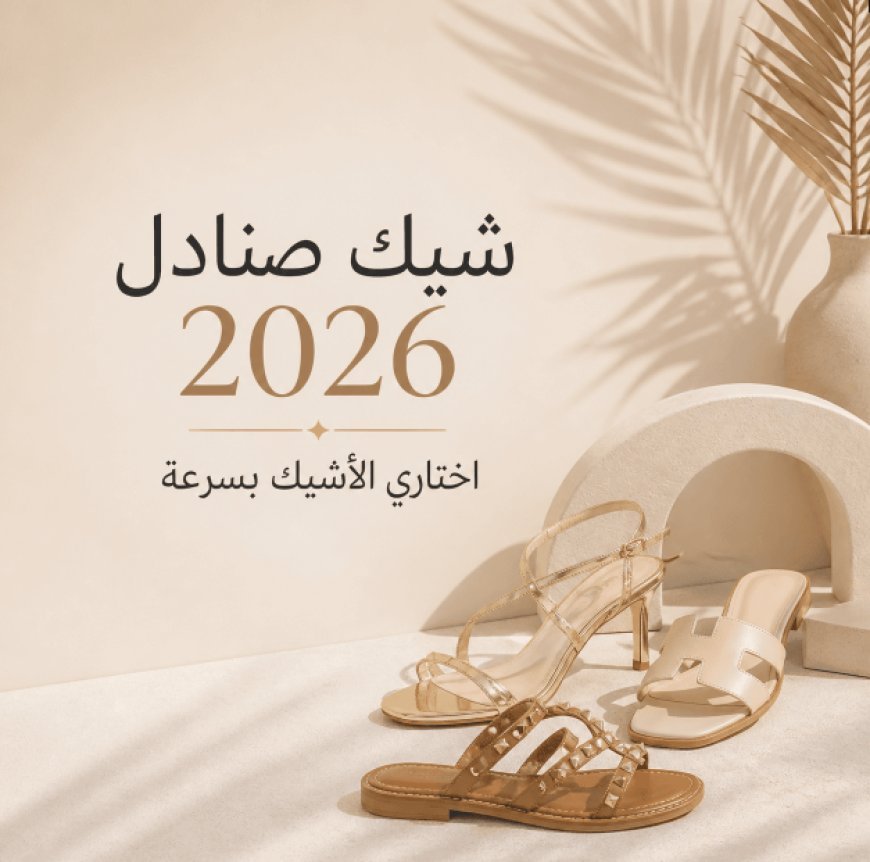
In Saudi Arabia the heat never really takes a day off. That simple fact has shaped one of the most practical and culturally rooted pieces of men’s footwear in the region: the نعال, or Arabic sandal. Walk through any mall in Riyadh, any souq in Jeddah, or any family gathering in the Eastern Province and you will see them — clean, well-made pairs that sit under thobes, with tailored trousers, and even with the more relaxed weekend looks that younger men now favour. Recent YouTube videos exploring summer footwear trends and local collections keep returning to the same point: the best نعال manage to feel traditional without looking stuck in the past.
Saudi men have always needed footwear that breathes. Closed shoes trap heat and sweat. A well-designed sandal lets air move while still offering enough structure for long days of walking, standing, or driving. Videos that review current collections often highlight this balance. Creators film close-ups of the sole, the way the straps sit across the foot, and how the leather softens after a few wears. They talk about the difference between a cheap imported pair that starts to smell after one week and a proper local or Gulf-made نعال that still looks sharp after months of daily use.
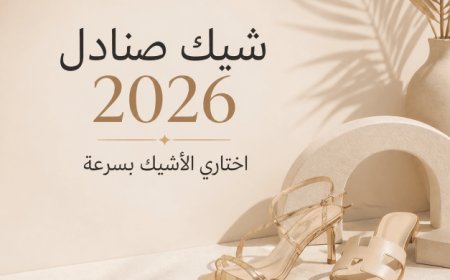
One name that surfaces repeatedly in these conversations is **chicsandl**. The Saudi online store focuses on premium men’s oriental shoes and sandals, offering everything from plain everyday styles to richly embroidered designs made with natural leathers — including ostrich, snake, and lizard skins in some of the higher pieces. Viewers who have ordered from them often mention the attention to detail: clean stitching, solid soles that do not crease too quickly, and a fit that works under both traditional and modern outfits. In Arabic the same store is frequently referred to as شيك صنادل, and the phrase appears in product descriptions and customer comments alike.
What the better YouTube reviews emphasise is not just appearance. They talk about support. Many men spend hours on their feet. A flat, completely unstructured sandal can leave the arch aching by mid-afternoon. Newer designs coming out of Saudi and Gulf makers often include a subtle arch support or a slightly contoured footbed while still keeping the classic open shape. Some medical-style نعال go further, using materials that reduce pressure on the heel and the ball of the foot. These pairs show up in videos aimed at older viewers or anyone who has dealt with foot fatigue. The message is consistent: comfort and tradition do not have to cancel each other out.
Material choice remains central. Genuine leather still dominates the higher end of the market. It softens with wear, breathes better than most synthetics, and develops a personal patina over time. Videos that film the production process or the unboxing of new collections often linger on the grain of the leather and the way light hits the surface. Cheaper alternatives exist, of course, and they fill the lower price shelves in big retail chains. But the reviews that gain traction tend to warn that those pairs lose shape faster and do not survive the Saudi summer as well.
Styling has also evolved. Ten years ago the default was a simple black or brown pair under a white thobe. Today the same sandal can sit under cropped trousers, a relaxed shirt, or even a light blazer for more casual evenings. Content creators demonstrate these combinations on camera — walking through outdoor seating areas, standing in natural light, showing how the open toe keeps the look from feeling heavy. Embroidered or subtly patterned versions appear for weddings and Eid gatherings. Plain, clean designs remain the everyday workhorses.
Colour trends stay relatively restrained. Black, deep brown, tan, and soft beige continue to lead because they pair easily with the neutral tones of traditional clothing. A few seasonal collections introduce muted greens or deeper burgundies, but the safest and most worn options stay within the classic range. Videos that rank the season’s best pairs almost always place a well-made black or dark brown leather sandal near the top of the list for versatility.
Fit is another point that comes up constantly. Saudi men know that a sandal that slips at the heel or pinches across the toes will not last a full day. Good makers offer a range of sizes and, in some cases, half sizes. Online stores such as **chicsandl** and others that specialise in **شيك صنادل** usually provide clear size charts and return policies, which matters when you are ordering without trying the pair on first. Reviewers who receive multiple pairs often compare the width and the depth of the footbed, noting which brands run true to size and which feel narrower.
The cultural weight of the نعال should not be underestimated. It is one of the few footwear styles that still carries a clear sense of place. Wearing a well-made Arabic sandal is a quiet way of staying connected to local habits while moving through modern life. That is why the category keeps attracting both older men who have worn the same style for decades and younger buyers who want something that feels authentic yet current. YouTube videos filmed in Saudi living rooms, shops, and outdoor settings keep reinforcing this continuity. The sandal is not treated as a fashion experiment. It is treated as a reliable part of the wardrobe.
Care is straightforward but important. Most leather pairs benefit from occasional cleaning and a light conditioning to keep the material from drying out in the heat. Some owners rotate two or three pairs so no single one takes the full daily load. These practical habits appear in the longer review videos, where creators show their own rotation systems and the simple products they use to keep the leather looking fresh.
Looking at the broader market, demand remains strong. Sandals form a large share of men’s footwear sales in the Kingdom precisely because the climate rewards them. Hybrid designs that borrow cushioning technology from athletic shoes while keeping the traditional silhouette are gaining ground. At the same time, pure traditional shapes with high-quality leather continue to sell steadily. The stores and makers that succeed are the ones that respect both sides of that demand.
In the end the appeal is simple. A good pair of Saudi men’s sandals does its job without demanding attention. It keeps the feet cooler, supports the day’s movement, and still looks appropriate under the clothes most men actually wear. When YouTube creators film new collections or rank the season’s strongest options, they keep returning to the same qualities: honest materials, sensible support, and a shape that feels familiar. Brands and stores that deliver those qualities — including the focused selection found at chicsandl and the wider range of **
** available locally — continue to earn repeat customers.
The heat is not going away. Neither is the preference for footwear that works with it. That is why the نعال, in its many well-made forms, remains one of the most practical and enduring pieces in the Saudi man’s wardrobe.
What's Your Reaction?
 Like
0
 Dislike
0
 Love
0
 Funny
0
 Angry
0
 Sad
0
 Wow
0