
























Custom Formulation vs. Ready-Made Formulations: What Should Beauty Brands Choose?
Compare custom and ready-made cosmetic formulations to choose the right manufacturing approach, manage compliance, and build a successful beauty brand.

Introduction
Launching a cosmetic brand involves several important decisions, and choosing the right product formulation is one of the most significant. Beauty businesses must consider product performance, ingredient selection, development costs, production timelines, and regulatory requirements before bringing a product to market.
One common decision is whether to invest in custom formulations or choose ready-made formulations. Both approaches offer different advantages depending on a brand's business goals, target customers, and available resources.
Working with experienced Private label cosmetic manufacturers can help businesses understand these options and select a suitable manufacturing approach. For startups and established beauty brands alike, the right decision can influence product quality, market positioning, compliance, and long-term growth.
Understanding Custom Cosmetic Formulations
Custom formulation involves developing a cosmetic product according to a brand's specific requirements. The process considers factors such as skin type, desired product benefits, ingredient preferences, texture, fragrance, and performance expectations.
For example, a skincare brand planning to introduce a barrier-supporting moisturiser may want a particular combination of moisturising ingredients, a lightweight texture, and a fragrance-free formulation.
Custom development allows manufacturers to work towards these requirements through research, formulation trials, and product testing.
Key advantages include:
-
Product differentiation: Brands can develop formulations that reflect their identity and appeal to a specific customer segment.
-
Ingredient flexibility: Businesses can discuss ingredient preferences, exclusions, and functional requirements during development.
-
Targeted product performance: Formulations can be designed around particular consumer needs, such as hydration, cleansing, or skin comfort.
-
Long-term brand identity: Unique formulations can help businesses establish a recognisable product portfolio.
However, custom formulation generally requires more development time, testing, and investment. Brands should also account for formulation adjustments before approving the final product.
What Are Ready-Made Cosmetic Formulations?
Ready-made formulations are pre-developed cosmetic products that manufacturers have already established. Businesses can select from available formulations and introduce them under their own brand identity, subject to the manufacturer's commercial and regulatory arrangements.
This approach is particularly useful for startups and businesses looking to enter the beauty market without undertaking extensive formulation development.
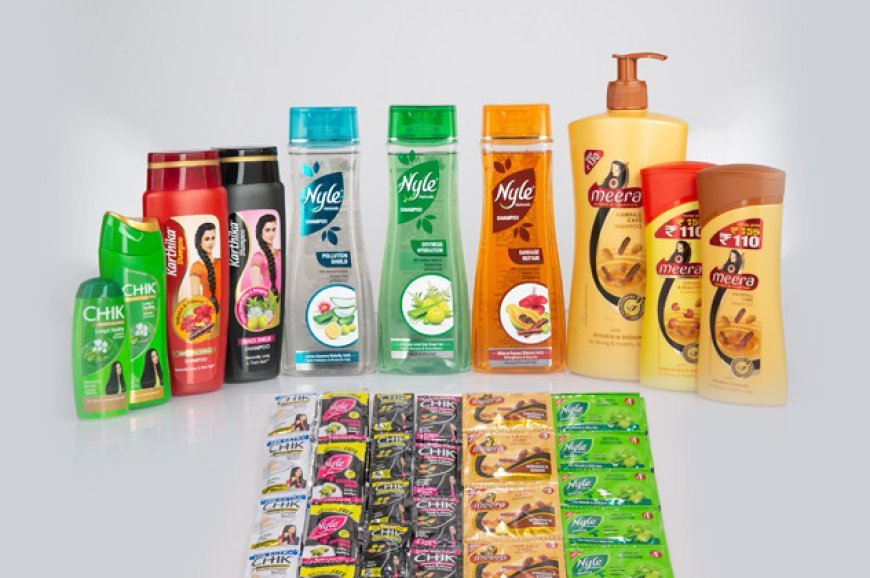
For example, a new personal care brand may choose an existing face wash, body lotion, shampoo, or hand wash formulation instead of developing each product from scratch.
Some important benefits include:
-
Faster product development: Existing formulations can reduce the time required for initial research and development.
-
Lower development costs: Businesses may avoid some expenses associated with developing an entirely new formulation.
-
Simplified product selection: Brands can evaluate available products based on their target audience and positioning.
-
Convenient market entry: Startups can focus more on branding, packaging, distribution, and marketing.
However, ready-made formulations may offer limited flexibility. Brands should understand the available customisation options and verify that the selected formulation meets their product requirements.
Custom vs. Ready-Made Formulations: Key Differences
Both approaches can support successful cosmetic businesses, but their suitability depends on the brand's priorities.
|
Comparison factor |
Custom formulation |
Ready-made formulation |
|
Development time |
Generally longer |
Generally shorter |
|
Initial investment |
Usually higher |
Often more economical |
|
Customisation |
Greater flexibility |
Depends on available options |
|
Product differentiation |
Greater potential |
More limited |
|
R&D involvement |
Extensive |
Usually limited |
|
Market entry |
May take longer |
Can be faster |
Experienced Private label cosmetic manufacturers can explain these differences and help businesses understand the practical requirements of each approach.
How Should Beauty Brands Make the Right Choice?
Selecting a formulation should involve more than comparing development costs. Businesses need to consider their target customers, product positioning, expected sales volume, and long-term brand objectives.
The following factors can help guide the decision.
1. Consider Your Brand's Market Positioning
Brands targeting premium skincare markets may prefer custom formulations to create distinctive textures, ingredient combinations, and product experiences.
On the other hand, businesses entering competitive personal care categories may find ready-made formulations more practical during their initial launch.
2. Evaluate Your Development Budget
Custom formulation may involve additional expenses related to research, sampling, ingredient sourcing, and testing.
Ready-made formulations can offer a more accessible starting point for businesses with limited budgets. However, the total manufacturing cost should also include packaging, testing, labelling, and production requirements.
3. Understand Your Target Audience
Consumer expectations should guide formulation decisions. A brand targeting sensitive skin customers may prioritise fragrance-free products and carefully selected ingredients.
Similarly, a brand developing everyday personal care products may focus on affordability, consistent quality, and reliable product performance.
4. Assess Future Scalability
A formulation should support the brand's growth plans. Businesses should discuss ingredient availability, manufacturing capacity, batch consistency, and the possibility of increasing production volumes.
Reliable Private label cosmetic manufacturers can help brands understand how formulation choices may affect future manufacturing requirements.
Why Compliance and Product Safety Matter in Both Approaches
Regardless of whether a brand selects custom or ready-made formulations, regulatory compliance and product safety should remain essential priorities.
Cosmetic products must meet applicable regulatory requirements before entering the market. In India, businesses should understand relevant provisions under the Cosmetics Rules, 2020, along with applicable labelling, manufacturing, and quality requirements.
A responsible manufacturing partner should provide appropriate support with:
-
Regulatory documentation: Relevant product specifications, ingredient information, and manufacturing records should be maintained.
-
Ingredient compliance: Raw materials should be assessed against applicable regulatory restrictions and permitted usage requirements.
-
Safety and stability testing: Products should undergo appropriate evaluations to establish their safety, stability, and suitability.
-
Batch traceability: Production records should help identify raw materials, manufacturing details, and finished product batches.
-
Labelling requirements: Product labels should carry applicable declarations and avoid unsupported cosmetic claims.
Small batch manufacturing requires the same attention to quality and compliance as larger production runs. Smaller quantities should never mean reduced safety standards.
Private label cosmetic manufacturers that understand regulatory expectations can help brands manage documentation, product testing, and quality requirements more effectively.
The Role of Small Batch Manufacturing in Formulation Selection
Small batch manufacturing offers an opportunity for businesses to evaluate their products before committing to larger production quantities.
For startups, this can be particularly valuable when testing customer acceptance, packaging performance, and product positioning.
Brands can begin with ready-made formulations to understand market response or invest in custom development when they have a clearly defined product concept.
Before proceeding, businesses should discuss minimum order quantities, sampling arrangements, testing requirements, and production flexibility with their manufacturing partner.
These conversations help prevent unnecessary development expenses and support more informed business decisions.
Conclusion
Choosing between custom and ready-made formulations depends on a brand's budget, product vision, target audience, and growth objectives. Custom formulation offers greater opportunities for differentiation, while ready-made formulations provide a practical route for businesses seeking a quicker market entry.
Regardless of the approach, product safety, regulatory awareness, documentation, and consistent manufacturing quality should never be overlooked.
Partnering with experienced Private label cosmetic manufacturers can help businesses navigate formulation decisions while maintaining the quality and compliance standards needed for sustainable growth. Clarion Cosmetics is one of the best cosmetic products manufacturers, with an approach that recognises the importance of product quality, manufacturing consistency, and dependable partnerships in the beauty industry.
What's Your Reaction?
 Like
0
 Dislike
0
 Love
0
 Funny
0
 Angry
0
 Sad
0
 Wow
0