






















What Special Facilities Does Trek The Himalayas Provide for Winter Treks?
Discover the safety facilities provided by Trek The Himalayas, including trained trek leaders, first-aid support, oxygen cylinders, medical monitoring and emergency equipment during Himalayan treks.

Trek The Himalayas (TTH) provides unlimited warm drinking water, sleeping liners, microspikes, gaiters, ice axes and all-season tents on winter treks. Trekkers also get a layered sleeping setup, hotel or guesthouse stays with geysers at base camp, and a trained team carrying oxygen, oximeters and rescue equipment. Here is the full list.
What makes a winter trek different?
Winter brings snow, ice, freezing nights and short days. Cold makes every task harder, from sleeping to eating to walking on slippery trails. A good winter trek needs warmth, traction, hydration, rest and a team that is ready for harsh conditions. TTH's winter facilities are built around these needs.
Is warm drinking water available?
Yes. TTH provides unlimited warm drinking water on winter treks, so trekkers can access warm water throughout the trek. In freezing weather, warm water helps you stay hydrated, comfortable and warm, and it makes evenings at camp more relaxing. Staying hydrated also helps your body cope with altitude.
What bedding does TTH provide for the cold?
The sleeping setup is layered to keep you warm from the ground up:
- Ground sheet: laid on the tent floor as the base layer
- Rubber mat (10 mm): placed over the ground sheet for insulation
- Blanket: an extra layer of warmth
- Sleeping bag: provided for each trekker
- Sleeping liner: provided on winter treks only, as an additional layer inside the sleeping bag
Sleeping liners are issued at base camp for hygiene reasons.
What gear is issued for snow and ice?
TTH issues selected winter gear at base camp:
- Microspikes: improve traction on icy and compact snow
- Gaiters: keep snow and debris from getting into your footwear
- Sleeping liners: for extra warmth at night
The team also carries ice axes on winter treks, for use in suitable snow and ice conditions.
What are the tents like in winter?
TTH provides all-season tents for trekkers. Each tent has a capacity of three, but TTH places only two trekkers per tent, which gives you more space for your bags and gear. A bit of extra room matters more in winter, when you carry more clothes and layers.
Where do trekkers stay at base camp?
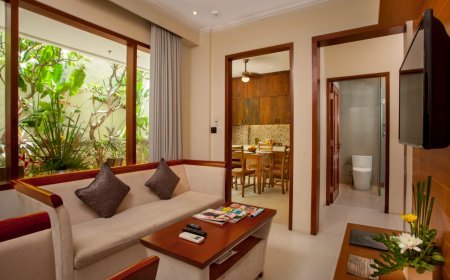
TTH arranges hotel or guesthouse accommodation at base camp, with attached washrooms and geysers for hot water. After a cold day on the trail, a hot wash and a proper room make a real difference. TTH does not provide camping accommodation at base camp.
What about food and dining in the cold?
- Hot, freshly cooked vegetarian meals from a dedicated kitchen tent, with vegan, gluten-free and Jain options on request
- A tunnel dining tent with tables and stools, so you eat out of the wind and cold
- Utensils provided and washed by the staff, so you don't wash plates in freezing water
On a winter trek, these small comforts matter more than almost anything else on the camp checklist.

What winter safety equipment and training does TTH have?
- First-aid kits carried by the Trek Leader and the Assistant Trek Leader
- Oximeters to measure blood oxygen saturation and pulse
- Oxygen cylinders carried by staff. According to TTH's service notes, two are carried for a group of 24 trekkers, and one jumbo cylinder is kept at each camp
- A stretcher and rope for evacuation and technical situations
- Trek Leaders with mountaineering and advanced first-aid training, and cooks with first-aid training
Who supports the trekkers?
A field team supports each trek: a Trek Leader, an Assistant Trek Leader, a Camp Manager and three guides, along with a Head Chef, an Assistant Chef and three helpers. In winter conditions, having more people on the team means that responsibilities can be shared if something goes wrong.
What should you carry yourself?
Even with these facilities, personal items matter in winter:
- Thermal base layers, a fleece and a padded or down jacket
- A waterproof outer layer, warm gloves and a woollen cap
- Warm socks and broken-in trekking shoes
- A headlamp with spare batteries
- Sunglasses and sunscreen, since snow glare is strong
- A water bottle and personal medicines
Questions to ask before booking a winter trek
- Is warm drinking water provided throughout the trek?
- Which gear is issued at base camp?
- Are sleeping liners provided?
- What is the sleeping layer arrangement?
- What safety and rescue equipment is carried?
- What are the current snow conditions on this trek?
Frequently asked questions
Does TTH provide warm water on winter treks?
Yes. TTH provides unlimited warm drinking water on winter treks.
Does TTH provide microspikes and gaiters?
Yes. They are issued at base camp.
Are sleeping liners provided?
Yes. Sleeping liners are provided on winter treks.
What is the sleeping setup in winter?
A ground sheet, a 10 mm rubber mat, a blanket, a sleeping bag and a sleeping liner.
Does TTH carry ice axes?
Yes. Ice axes are carried on winter treks.
How many trekkers share a tent?
Two trekkers per tent, even though each tent holds three.
Conclusion
TTH's winter facilities cover the main challenges of cold-weather trekking: unlimited warm water, layered bedding with sleeping liners, microspikes and gaiters for snow, ice axes, comfortable tents, hot meals in a dining tent and a trained team with oxygen and rescue equipment. If you are planning a winter trek, ask every company for its full winter facility list, and check the current snow conditions before you go.
What's Your Reaction?
 Like
0
 Dislike
0
 Love
0
 Funny
0
 Angry
0
 Sad
0
 Wow
0