























Is Heated Bamboo Bodywork Painful or Relaxing?
Heated bamboo bodywork can be relaxing rather than painful when warmth and pressure are carefully controlled. Smooth rolling movements may provide temporary comfort, but results differ between individuals.

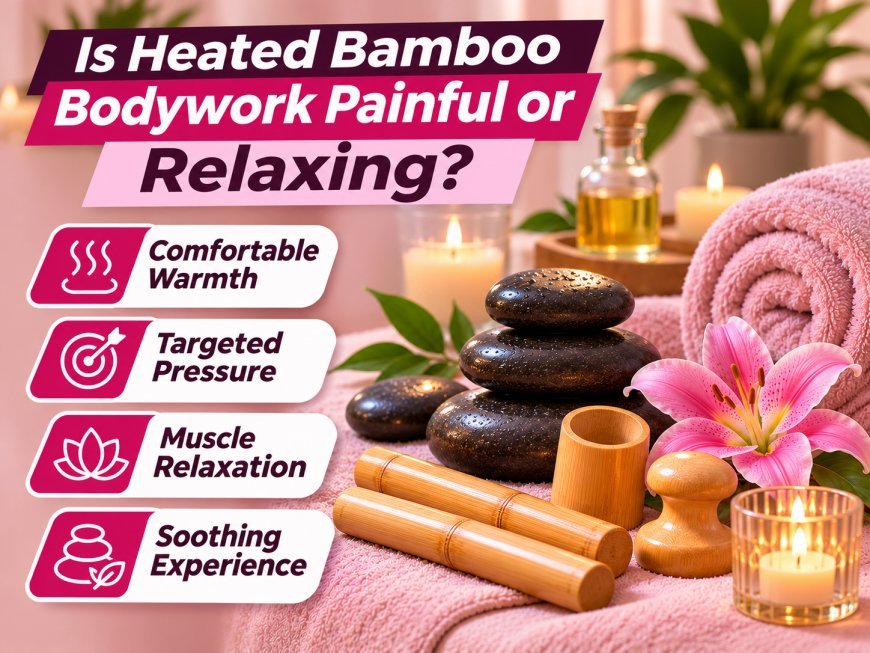
Heated bamboo bodywork combines smooth bamboo tools, controlled warmth, and traditional massage movements to create a treatment that can feel both soothing and focused. Visitors considering a day spa Stuart FL appointment may wonder whether rolling bamboo across tight muscles causes pain. The experience depends largely on the therapist's technique, the temperature of the tools, and personal sensitivity. Properly performed heated bamboo massage should feel comfortably warm, with pressure that can be adjusted throughout the session.
What Makes Heated Bamboo Massage Different?
Bamboo massage uses polished sticks of varying lengths and widths to work across muscles. Larger pieces can cover broad areas such as the back and thighs, while smaller pieces allow more precise movements near the shoulders and calves. Therapists may warm the tools and combine rolling strokes with conventional hands-on massage.
The smooth surface distributes contact differently from fingertips or knuckles. A rolling movement may feel firm without being sharp, although sensitive areas can still become uncomfortable. Warmth adds another sensation, but it should never be used to justify excessive pressure or prolonged contact.
How Heated Bamboo Massage Techniques Create a Relaxing Bodywork Experience
Checking Preferences and Health Concerns
A session usually starts with questions about pressure preferences, sensitive muscles, injuries, and conditions that affect temperature sensation. Clients should mention neuropathy, circulation problems, skin irritation, recent procedures, or medicines that make bruising more likely. A therapist can then determine whether warmed tools are appropriate and identify areas to avoid.
Introducing Warmth Gradually
The therapist should check the bamboo temperature using appropriate equipment and test each tool carefully. Initial contact may involve brief, gentle strokes so the client can describe how the warmth feels. Comfortable heat should remain mild and consistent. Burning, stinging, or an urgent desire to move away means the tool must be removed immediately.
Rolling Across Larger Muscle Groups
Long bamboo pieces may glide or roll over the back, legs, and shoulders, sometimes with massage oil to reduce friction. The therapist controls speed, angle, and force rather than pushing directly into every tight spot. Broad movements can feel rhythmic and restful, particularly when pressure remains within the client's preferred range.
Adjusting Pressure Around Tender Areas
Smaller tools may be used for focused work, but sensitive muscles do not always benefit from stronger pressure. A therapist might lighten contact, change direction, or switch to hands-on movements. Clients should be able to breathe naturally and keep their muscles relaxed. Holding the breath or bracing against the table suggests the pressure needs adjustment.
Important Factors That Affect Comfort During Heated Bamboo Massage
Several details determine whether the treatment feels pleasant or overly intense:
-
Tool temperature: Warmth should be monitored continuously, since heated bamboo can irritate or burn skin when improperly handled.
-
Pressure level: Firm contact may be comfortable, but sharp, shooting, or escalating pain is a reason to stop.
-
Muscle sensitivity: Recently exercised or already tender muscles may respond differently to rolling movements.
-
Treatment duration: Repeated work over one spot can become irritating, even when initial strokes feel comfortable.
-
Personal preferences: Some clients enjoy deep pressure and warmth, while others prefer gentler contact or unheated tools.
-
Therapist communication: Regular check-ins allow timely changes instead of expecting clients to tolerate discomfort silently.
Is Some Discomfort Normal During Bamboo Bodywork?
A mild stretching sensation or temporary tenderness may occur when the therapist works around tight muscles. That sensation should remain manageable and ease when pressure decreases. Discomfort is not proof that knots are being removed or that treatment is more effective. Persistent pain, numbness, dizziness, or noticeable skin irritation should prompt an immediate pause.
Heat may also be unsuitable for people with reduced sensation, certain skin conditions, or medical concerns affecting circulation. Anyone uncertain about treatment safety should consult a qualified healthcare professional. A massage without heated tools may be a more comfortable alternative.
How to Communicate With Your Massage Therapist
Describe specific sensations rather than simply saying the massage feels uncomfortable. Statements such as “The temperature feels too hot” or “Please use lighter pressure on my shoulder” help the therapist respond quickly. You can request a break, skip an area, switch techniques, or end the session at any point. Professional treatment depends on informed consent and respectful feedback.
A comfortable treatment also allows plenty of room for questions. Guests can ask how tools are cleaned, how warmth is monitored, and which movements will be used on different muscles.
Conclusion
Heated bamboo bodywork can be relaxing rather than painful when warmth and pressure are carefully controlled. Smooth rolling movements may provide temporary comfort, but results differ between individuals. Discussing health concerns, recognizing uncomfortable sensations, and communicating throughout the appointment are more important than tolerating strong heat or force. A suitable session should follow your comfort level from the first stroke to the final movement.
What's Your Reaction?
 Like
0
 Dislike
0
 Love
0
 Funny
0
 Angry
0
 Sad
0
 Wow
0