






















Understanding Commercial Roofing Systems for Educational Buildings in Wisconsin
Protect your commercial property with expert roofing solutions in Wisconsin. Explore metal roof repairs, professional installation, and maintenance services for lasting protection.
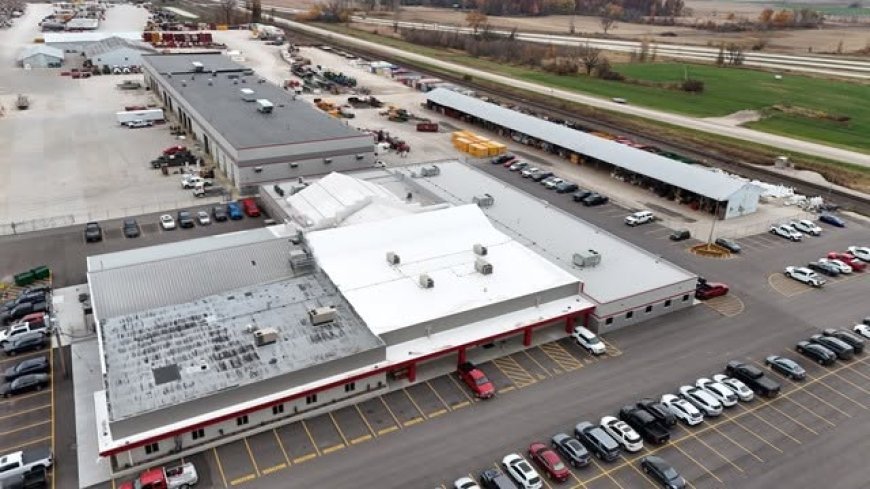
Educational buildings, including schools, colleges, universities, and training centers, require properly maintained infrastructure to support safe and comfortable learning environments. Among the most important structural components is the roofing system, which protects classrooms, libraries, laboratories, administrative offices, and other essential facilities from environmental exposure. Understanding how commercial roofing systems function helps educational administrators and facility managers make informed decisions about building maintenance, repairs, and long-term improvements.
In Wisconsin, educational facilities experience changing weather conditions throughout the year. Heavy snowfall, freezing temperatures, rainfall, and strong winds can affect roofing materials and gradually contribute to deterioration. Learning about different roofing systems, common maintenance challenges, and available solutions can help institutions protect their buildings and maintain suitable environments for students, teachers, and staff.
Understanding Different Commercial Roofing Systems
Commercial roofing systems are designed to meet the structural and functional requirements of larger buildings. Educational facilities often feature flat or low-slope roofs that require specialized materials, appropriate drainage, and regular inspections to maintain their performance.
Several roofing materials are commonly used in educational and institutional buildings. Understanding their characteristics helps facility managers evaluate different roofing options.
-
EPDM Roofing: A synthetic rubber membrane known for flexibility, durability, and resistance to changing weather conditions.
-
TPO Roofing: A single-ply roofing material with reflective properties that may support energy-conscious building designs.
-
PVC Roofing: A durable membrane valued for moisture resistance and suitability for certain demanding environments.
-
Metal Roofing: A strong roofing option that can provide long-term protection when properly designed and installed.
-
Modified Bitumen: A multi-layer roofing material frequently used on low-slope commercial buildings.
Each roofing system has different installation requirements, maintenance considerations, and performance characteristics. Educational administrators can benefit from understanding these differences when planning infrastructure improvements.
Learning About Metal Roofing Maintenance and Repairs
Metal roofing is commonly used in commercial and institutional buildings because of its strength, durability, and relatively low maintenance requirements. However, exposure to moisture, temperature fluctuations, and environmental conditions can gradually affect metal panels and their connecting components.
Institutions researching Commercial Metal Roof Repair Wisconsin can learn about common metal roofing problems and the importance of professional maintenance.
Some common issues include loose fasteners, deteriorating sealants, damaged panels, corrosion, and failing flashing. Temperature changes can also cause metal panels to expand and contract, placing additional stress on certain connections.
Understanding basic metal roofing maintenance involves recognizing several important repair requirements:
-
Fastener replacement: Identifying loose or deteriorated fasteners that may allow moisture to enter the roofing system.
-
Panel repairs: Addressing damaged metal panels to maintain the roof's protective surface.
-
Leak sealing: Identifying vulnerable joints and applying appropriate sealing materials.
-
Flashing repairs: Maintaining protective connections around vents, skylights, and rooftop equipment.
-
Corrosion treatment: Evaluating affected areas and applying suitable protective treatments when necessary.
Learning to recognize these issues helps educational facility managers understand when professional inspections and maintenance are necessary.
Understanding the Importance of Timely Roof Repairs
A properly maintained roof contributes to the overall condition of an educational building. Water intrusion can damage classroom ceilings, insulation, electrical components, learning equipment, and other important interior materials. It may also create disruptions that affect daily educational activities.
Understanding Roofing Repair Service Madison options helps institutions become more familiar with common repair procedures and the importance of addressing roofing problems promptly.
A professional roofing evaluation generally involves examining the affected areas, identifying moisture entry points, and assessing surrounding materials. Depending on the condition of the roof, repairs may include sealing leaks, replacing damaged membrane sections, repairing flashing, and addressing drainage concerns.
Educational facility managers should understand several important warning signs:
-
Water stains appearing on classroom ceilings or interior walls.
-
Recurring leaks following rainfall or snowfall.
-
Visible damage to roofing membranes or metal panels.
-
Standing water around drainage areas.
-
Deteriorating sealants and loose roofing connections.
Recognizing these warning signs allows institutions to arrange appropriate inspections and reduce the likelihood of extensive building damage.
Exploring the Fundamentals of Commercial Roof Installation
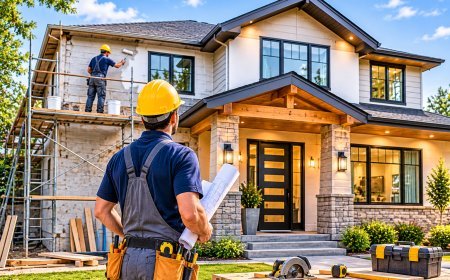
Installing a commercial roofing system involves several technical considerations, including building design, material selection, insulation, drainage, and installation methods. Educational institutions planning new construction or infrastructure improvements should understand these factors before beginning a roofing project.
Learning about Roof Installation Fitchburg provides an opportunity to explore the different elements involved in installing a dependable roofing system.
The installation process generally includes several stages:
-
Building Assessment: Evaluating the building structure, roof dimensions, slope, and existing conditions.
-
Material Selection: Identifying suitable roofing materials based on durability, environmental exposure, and building requirements.
-
Surface Preparation: Preparing the roof surface to support the selected roofing system.
-
Installation: Installing roofing materials, insulation, flashing, and other essential components.
-
Final Inspection: Reviewing the completed installation to identify potential issues and verify that important requirements have been addressed.
Understanding these stages helps educational administrators plan infrastructure projects more effectively and communicate building requirements to roofing professionals.
The Role of Preventive Maintenance in Educational Facilities
Preventive maintenance is an important part of managing educational infrastructure. Schools and universities operate throughout different seasons, making it essential to monitor building conditions and identify maintenance requirements before they affect daily activities.
Regular roofing inspections help identify developing problems involving drainage systems, flashing, roofing membranes, and rooftop equipment connections.
In Wisconsin, seasonal maintenance deserves particular attention. Heavy snowfall and freezing temperatures can place additional stress on roofing systems, while spring rainfall may reveal damage that developed during winter.
Educational institutions can support better building maintenance by:
-
Scheduling periodic professional roof inspections.
-
Keeping drainage outlets clear of debris.
-
Monitoring visible roofing damage after severe weather.
-
Maintaining records of previous repairs and inspections.
-
Addressing leaks and other maintenance concerns promptly.
-
Planning roofing improvements according to building requirements.
These practices help institutions maintain their facilities and support safer, more comfortable learning environments.
Building Knowledge for Better Educational Infrastructure
Understanding commercial roofing systems is valuable for educational administrators, facility managers, and institutions responsible for maintaining large buildings. Knowledge of roofing materials, installation procedures, repair requirements, and preventive maintenance supports more informed infrastructure decisions.
Premier Roof Solutions provides commercial roofing support throughout Wisconsin, helping educational and other commercial property owners understand their roofing requirements and explore practical solutions.
By developing a better understanding of roofing systems and their maintenance needs, institutions can make informed decisions that support building protection, operational continuity, and long-term infrastructure performance.
What's Your Reaction?
 Like
0
 Dislike
0
 Love
0
 Funny
0
 Angry
0
 Sad
0
 Wow
0