






















What to Do When You Feel Sleepy on the Drive Home After Work
Advice about shift work often assumes there is plenty of time, a quiet home, and a predictable roster. Many workers have none of those things. what to do when you feel sleepy on the drive home after work calls for practical decisions that can survive a busy week, with clear distinctions between convenience, comfort, and safety.

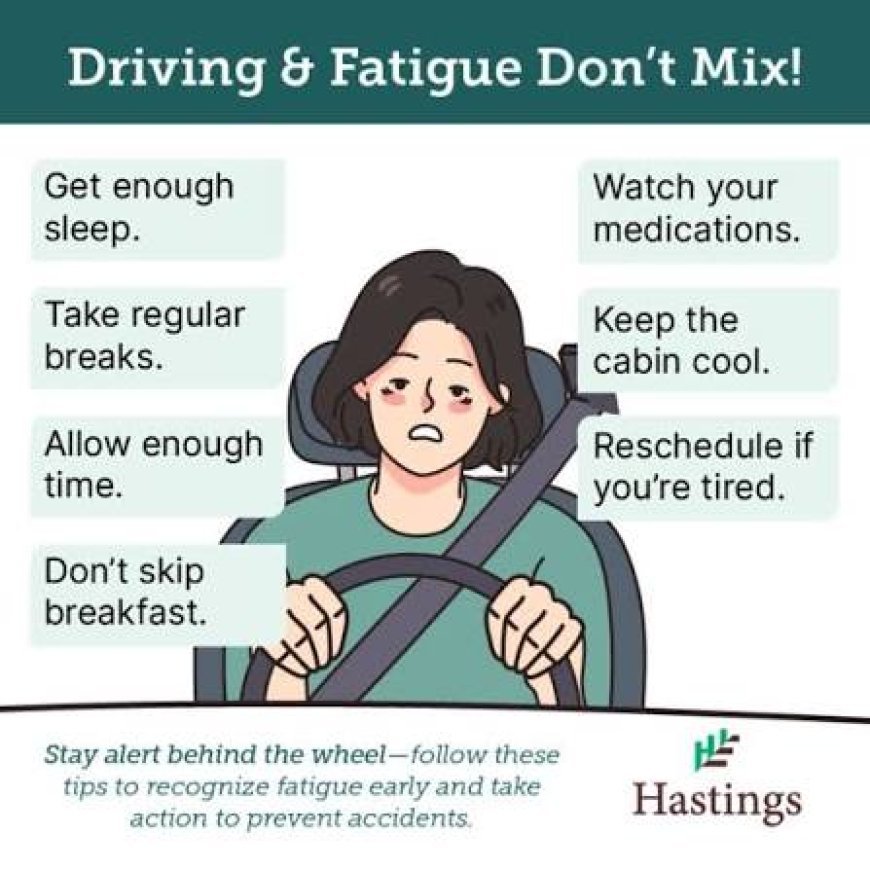
Advice about shift work often assumes there is plenty of time, a quiet home, and a predictable roster. Many workers have none of those things. what to do when you feel sleepy on the drive home after work calls for practical decisions that can survive a busy week, with clear distinctions between convenience, comfort, and safety.
Recognize the risk before starting the car
Finishing a night shift can feel like the finish line, but the commute is another task requiring attention. Heavy eyelids, repeated yawning, trouble recalling the last few miles, and drifting within a lane are warning signs. People can underestimate their own impairment when sleep-deprived. If you are struggling to stay awake, do not treat the drive as a test of determination. The safest choice may be to delay driving and arrange another way home.
Another consideration is the people and systems around the worker. A good personal routine can fail because of unpredictable breaks, family demands, workplace rules, or a long commute. Discuss the constraints when possible. Planning around them is more useful than treating every interruption as a failure of motivation.
Why the early morning is difficult
The biological clock influences alertness, and many people experience a strong drive for sleep during the night and early morning. Long hours awake add another burden. Even someone who has managed a shift successfully may feel suddenly worse when the stimulation of work ends. The fact that the route is familiar does not remove the risk. Familiarity can make it easier to overlook how tired you have become.
One useful check is to ask what would happen on the hardest day of the week, not the easiest. Would this approach still work after overtime, with a delayed break, or when the household is busy? If the answer is no, simplify the arrangement. A modest solution that works consistently usually beats an elaborate one that depends on ideal circumstances.
Do not rely on open windows or loud music
Cold air, music, and conversation may feel stimulating for a moment. They are not reliable ways to prevent sleep-related crashes. Neither is simply promising yourself to concentrate harder. If sleepiness is affecting driving, stop in a safe place and make a safer plan. A brief rest may improve alertness temporarily, but it is not a substitute for adequate sleep and should not be treated as permission to continue while impaired.
It is also worth separating what can be observed from what a product label or popular tip claims. Test the arrangement under real conditions, keep track of what changes, and avoid assuming that one good day proves a permanent solution. Individual needs differ, especially where health conditions or safety-critical tasks are involved.
Arrange alternatives before the shift
Carpooling with an alert driver, public transportation where available, a taxi, or staying somewhere safe until rested may be worth planning in advance. Options differ by location and budget. Ask an employer whether fatigue-related transport policies exist, particularly after extended or unexpected overtime. It is easier to choose an alternative before exhaustion narrows your judgment at the end of the night.
Budget matters here. Spending more can buy convenience or better construction, but it does not automatically fix a poor fit between the solution and the problem. Before replacing equipment or rewriting a routine, try the smallest safe adjustment that addresses the actual obstacle. That approach also makes it easier to tell which change helped.
Caffeine has limits
Caffeine may temporarily increase alertness, but it cannot restore the performance of someone who has been awake too long. It can also interfere with the daytime sleep needed after a shift. A person who is already fighting to keep their eyes open should not assume a coffee makes driving safe. The immediate decision should be based on actual alertness and available alternatives, not on whether a drink has started to work.
Another consideration is the people and systems around the worker. A good personal routine can fail because of unpredictable breaks, family demands, workplace rules, or a long commute. Discuss the constraints when possible. Planning around them is more useful than treating every interruption as a failure of motivation.
Watch for microsleeps
A microsleep is a brief episode of sleep that may occur without a person fully realizing it. At road speed, even a few seconds of lost attention can be dangerous. Missing an exit or finding yourself unexpectedly close to another vehicle can be a warning that you need to stop. Do not wait for a near miss. If you notice these signs, end the drive safely and seek another way to travel.
One useful check is to ask what would happen on the hardest day of the week, not the easiest. Would this approach still work after overtime, with a delayed break, or when the household is busy? If the answer is no, simplify the arrangement. A modest solution that works consistently usually beats an elaborate one that depends on ideal circumstances.
Make the next shift less risky
Consider whether overtime, consecutive nights, long commutes, or an unsuitable daytime sleep environment are contributing. Some factors may be outside your control, but discussing scheduling and fatigue with a supervisor can still matter. NightShiftWell’s guide to driving home after a night shift addresses practical ways to recognize and reduce post-shift driving risks. The aim is not to develop a clever trick for driving while exhausted; it is to reduce the chances of being in that position.
It is also worth separating what can be observed from what a product label or popular tip claims. Test the arrangement under real conditions, keep track of what changes, and avoid assuming that one good day proves a permanent solution. Individual needs differ, especially where health conditions or safety-critical tasks are involved.
Treat repeated dangerous sleepiness as a health concern
If severe sleepiness happens repeatedly despite enough time in bed, a clinician can assess possible sleep disorders, medication effects, and other contributors. People with persistent symptoms should not self-diagnose based on a blog article. Immediate driving safety comes first. Longer-term treatment and scheduling changes come next.
Budget matters here. Spending more can buy convenience or better construction, but it does not automatically fix a poor fit between the solution and the problem. Before replacing equipment or rewriting a routine, try the smallest safe adjustment that addresses the actual obstacle. That approach also makes it easier to tell which change helped.
A practical way to decide what to do next
Write down the one or two problems that matter most, then list the changes you can make without disrupting work, household responsibilities, or safety. Test one change at a time where practical. If the situation involves persistent symptoms, medication, or a safety-critical task, generic online guidance is not a replacement for qualified advice or workplace procedures.
Another consideration is the people and systems around the worker. A good personal routine can fail because of unpredictable breaks, family demands, workplace rules, or a long commute. Discuss the constraints when possible. Planning around them is more useful than treating every interruption as a failure of motivation.
The useful starting point is not perfection. Choose the change that addresses the biggest obstacle, test it in the conditions you actually face, and adjust when the schedule changes. That is a more dependable approach than collecting tips that sound impressive but do not fit real life.
What's Your Reaction?
 Like
0
 Dislike
0
 Love
0
 Funny
0
 Angry
0
 Sad
0
 Wow
0