




























Heavy Duty Tarps for Landscaping: Weed Suppression, Covering Soil and Hauling Debris
Heavy Duty Tarps help speed up every landscaping project because they cover the ground, prevent weeds from growing in some areas, and transport garbage around your home or farm.

Why Tarps Help With Landscaping Work
Heavy Duty Tarps help speed up every landscaping project because they cover the ground, prevent weeds from growing in some areas, and transport garbage around your home or farm.
They make it easier for a homeowner to keep their garden tidy and help the workers to easily control a huge outdoor location.
Heavy Duty Tarps also supply defense for soils, equipment and constructing materials against rain, filth and tough climate.
A single good cover can do a variety of different jobs on the garden or job site.
Maintaining a Weed Free Garden Area
When you have an empty garden bed weeds can take over at any moment.
Competing for water, sunlight and space with other plants, these pests make garden care more difficult than it should be.
A dark, appropriate ground cover will also prevent lots of sunlight reaching weeds.
This means there is less chance of any unwanted growth and more time to plant and for other garden chores.
Ground Cover as Weed Control
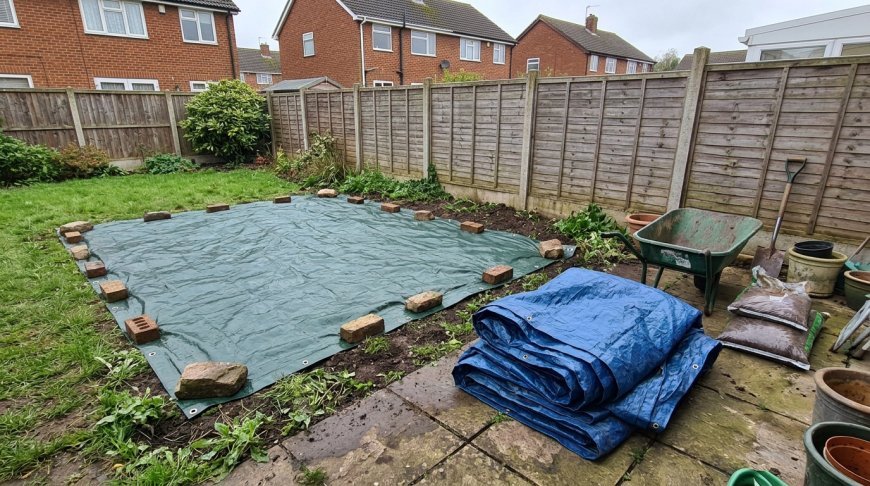
How about a tarp on on that bare earth while your garden bed sits idle.
It shades the sunlight and retards the growth of many unwanted plants.
Tarps provide a barrier to leaves, loose soil, and small amounts of garden refuse within the space.
Select an appropriate ground cover and monitor the soil periodically, particularly in moist weather.
Preparing Soil Before Covering
Begin by clearing the ground of any excessive weeds, stones and anything that's got sharp edges.
Trim any plants that may grow into the material.
Spread the cover over the area and pin or weight it down at the edges with appropriate pegs or weights.
Leave the sheet flat as wind will catch underneath it and blow it right across the garden.
Soil Protection From Heavy Rains
The rain can also wash away any loose dirt and turn the ground around a building or in a garden into a muddy mess.
A good-fitting cover will prevent the ground underneath the cover from receiving the direct rainfall.
It may be applicable to the time when workers are laying a new lawn, constructing garden beds or waiting to carry out paving works.
It also helps minimize mud from getting around to the immediate pathways and work areas.
Covering Soil During Construction
Landscaping projects come with stacks of topsoil, compost, sand and gravel.
It can also lead to additional work later on, especially if these items are exposed to the elements following a period of bad weather.
A protective cover prevents moisture from entering from rain or falling leaves.
Secure the edges if the pile is left in an outside space.
Maintaining a Clean Compost and Mulch
Treating compost and mulch until they are ready for use.
Rain can also cause stored materials to be heavy and hard to move.
A cover keeps debris, leaves and excess water from getting on the pile.
There should be ventilation for the Stored Material, do not pack it together so tightly that no airflow gets through.
Choosing Covers For Stored Materials
Different materials need different types of protection.\
What is the best covering to store soil bags, mulch, and garden tools from the rain? The right thing to cover soil bags, mulch and garden tools from the rain is a waterproof cover.
A breathable canvas choice might be a good fit for some storage tasks where breathability is more important than complete waterproofing.
Ensure to note down the product specifications before you pick a long-term cover for long usage.
Making Garden Waste Easier To Move
Landscaping creates plenty of waste.\
Branches, weeds, old leaves and cuttings from the grass can occupy the entire volume of a garden bin in no time.
A strong sheet makes a good, straightforward, easy way for workers to gather loose waste in one place.
Those may drag or carry the material towards a skip, trailer or compost space.
Tarps For Trash Hauling
Lay a sheet over a clean patch of ground before collecting garden waste.
Arrange the branches, leaves and small pieces of wood in the centre with the pointed ends directed away from the borders.
Tuck the sides in and get someone to help lift heavier objects.
Use a garden trolley or trailer for big loads rather than pulling a heavy sheet.
Choosing Tarp Material
Material selection has an impact on the cover's ability to withstand everyday landscaping tasks.
Poly tarps are useful for a lot of work around the garden or building because they're waterproof and they're designed to withstand the elements.
Canvas sleeves may be better for work requiring a more durable fabric with greater air flow.
The right one is required to be informed by the work and surrounding.
Measurement of Weight And Thickness
A heavier cover may fare better on rougher contact than an extremely lightweight cover.
There's more to it than just weight.
Examine the construction, the side stitching, the corners, and the grommets prior to making your purchase.
The more fixing points a cover has, the more it will withstand normal wear, such as when miners have to fix it over the piles of soil or garden waste.
Avoiding Damage During Use
Landscaping sites are frequently filled with points and pieces of sharp stones, broken branches, tools.
These can puncture or tear a cover where unintentional dropping of material is allowed for.
Remove anything sharp from the sheet.
And don't drag it over jagged concrete or exposed metal edges.
Securing Covers Against Strong Winds
Wind can make a loose cover into an issue.
May raise the corners, dislodge stored products or force the sheet away from its fixing points.
. For the edges use appropriate ropes, pegs or weights.
Observe the clothing after high winds and tighten it when it begins to run.
Using Covers Around Commercial Sites
Landscaping contractors tend to be hired in on gardens, parks, building sites and outdoors commercial grounds.
They require more straightforward techniques to keep food safe and prevent waste from getting out of hand.
A large cover on the resource can be used to keep soil and paving materials, tools or between activities.
It will also allow for one to easily segregate clean materials from loose rubbish on a hectic project.
Maintaining Clean Working Areas
A tidy work area saves time.\
Workers are able to put the rubbish on a sheet rather than leaving trees and dirt on the track.
This simplifies collection and helps minimize clutter about entrances and storage areas.
It also offers site managers an easy method to separate materials.
Finding The Best Cover For Jobs
The best option is determined by the frequency of sheet use and what it is expected to hold or shield.
Sometimes a light covering of leaves and soil is enough for a small garden.
A commercial landscaping site might require a larger, heavier sheet with strong edges and eyelets.
Consider the size, material & fixings points prior to positioning an order.
Getting More From One Cover
A quality landscape cover can perform many functions during the course of a year.
You could use it to keep soil warm in spring, shelter garden tools in summer and pick up rake leaves in autumn.
It can also be utilized for moving branches and other residue on standard maintenance work.
Clean it after use, dry it and keep in a safe place away from sharp objects.
These tough covers are an easy solution for weed control, safeguarding soil and shifting garden rubbish without making an additional mess.
They can be used by homeowners for day to day garden maintenance, or by landscapers for larger jobs.
Select the correct material; grip the edges, and do not carry loads over the strength of the sheet.
With some reasonable attention, one handy cover makes many of your landscaping chores faster and easier.
What's Your Reaction?
 Like
0
 Dislike
0
 Love
0
 Funny
0
 Angry
0
 Sad
0
 Wow
0