























What Foods Should You Avoid After Dental Implant Surgery?
dental implants in Surat
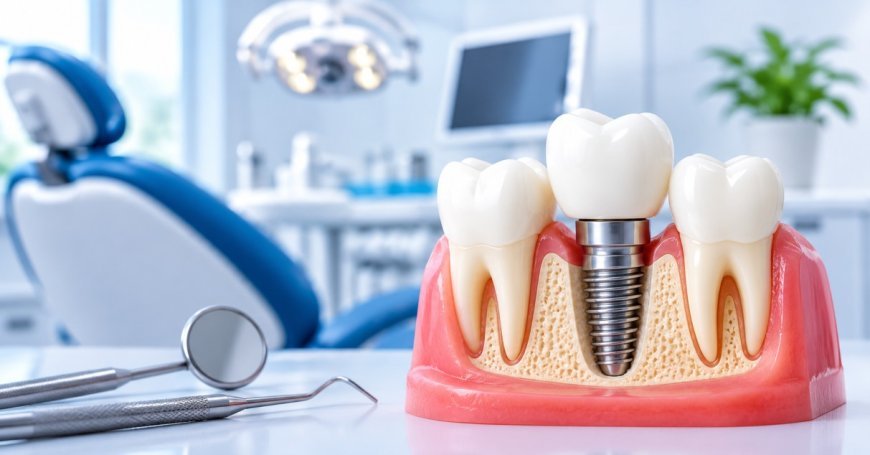
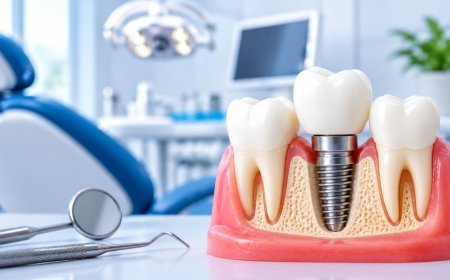
Dental implant surgery is an important step towards restoring missing teeth and improving your smile. However, successful treatment does not end when the implant is placed. Proper aftercare, especially maintaining a suitable diet, plays an essential role in the healing process. Eating the wrong foods too soon can irritate the surgical area, increase discomfort, and potentially interfere with recovery. Patients considering or undergoing dental implants in Surat should understand which foods to avoid and what dietary precautions can support healing.
After implant surgery, the gums and surrounding tissues need time to recover, while the implant gradually integrates with the jawbone. Following your dentist's dietary recommendations can help protect the surgical site and reduce the risk of complications.
Why Is Your Diet Important After Dental Implant Surgery?
Your diet directly affects your comfort and recovery after dental implant placement. During the initial healing period, the surgical area may be sensitive, swollen, or slightly painful. Chewing hard or crunchy foods can put unnecessary pressure on the implant site.
Choosing soft, nutritious foods helps minimise irritation and makes eating more comfortable. It is equally important to avoid foods that can get stuck around the surgical area or disturb the healing tissues.
Following the recommended diet also helps your body receive essential nutrients required for tissue repair and recovery.
8 Foods You Should Avoid After Dental Implant Surgery
Certain foods can interfere with the healing process, particularly during the first few days after surgery. Here are some common foods you should avoid.
1. Hard and Crunchy Foods
Hard foods require considerable chewing pressure, which can place stress on the surgical area. They may also accidentally injure the healing gums.
Avoid foods such as:
- Nuts and almonds.
- Hard biscuits.
- Popcorn.
- Raw carrots.
- Hard candies.
Instead, choose softer alternatives such as mashed potatoes, soft-cooked vegetables, or well-prepared oatmeal.
2. Sticky and Chewy Foods
Sticky foods can cling to your teeth and collect around the surgical area. Removing them may require additional chewing or cleaning, which can irritate sensitive tissues.
Avoid chewing gum, caramel, toffees, and chewy candies during the initial recovery period.
Once your dentist confirms that healing is progressing properly, you can gradually return to your regular diet.
3. Spicy Foods
Spicy foods may irritate sensitive gum tissues and increase discomfort after dental implant surgery. Ingredients such as chilli powder, hot sauces, and heavily spiced seasonings can make the surgical area feel uncomfortable.
It is better to choose mild, freshly prepared meals during the early healing period. Avoid excessively hot foods as well, since they may irritate the surgical site.
4. Very Hot Foods and Beverages
Immediately after surgery, the surgical area may have reduced sensation because of local anaesthesia. Consuming very hot food or drinks can increase the risk of accidental burns.
Hot beverages such as tea and coffee should be avoided until the numbness has completely disappeared. Follow your dentist's instructions regarding when you can safely resume drinking them.
5. Seeds and Small Grains
Small food particles can become trapped around the implant site and cause irritation.
During the early recovery period, try to avoid:
- Sesame seeds.
- Poppy seeds.
- Sunflower seeds.
- Small, hard grains.
- Foods containing tiny, crunchy particles.
Choose smooth food options that are easier to eat without disturbing the surgical area.
6. Tough Meat and Hard-to-Chew Foods
Foods that require excessive chewing can put unnecessary pressure on the implant area.
Avoid tough meat, steak, hard-crusted bread, and chewy food preparations during the initial healing period.
If you want to include protein in your diet, consider soft alternatives such as scrambled eggs, well-cooked fish, or finely prepared soft meals, depending on your dentist's recommendations.
7. Alcoholic Beverages
Alcohol should generally be avoided during the initial recovery period. It may interfere with healing and can interact with certain medications prescribed after surgery.
Alcohol consumption may also increase the risk of complications, particularly when combined with painkillers or antibiotics.
Follow your dentist's advice about when it is safe to resume drinking alcohol.
8. Carbonated and Acidic Drinks
Soft drinks, fizzy beverages, and highly acidic drinks may cause discomfort around sensitive oral tissues. Their sugar and acid content can also negatively affect overall oral health.
Water is generally the best choice for staying hydrated after dental implant surgery. Avoid using a straw during the initial recovery period, as suction can disturb the blood clot and interfere with healing.
What Foods Can You Eat After Dental Implant Surgery?
Avoiding certain foods does not mean you have to compromise on nutrition. Several soft and healthy options can support your recovery.
Here are some suitable food choices:
Food Category
Recommended Options
Fruits
Mashed bananas, applesauce
Vegetables
Mashed potatoes, soft-cooked vegetables
Dairy
Yogurt, soft cheese
Protein
Scrambled eggs, soft fish
Grains
Oatmeal, soft porridge
Soups
Lukewarm blended vegetable soup
Choose foods that require minimal chewing and avoid placing unnecessary pressure on the operated area.
Important Dietary Tips for Faster Recovery
Along with avoiding certain foods, following a few simple dietary habits can make recovery more comfortable.
Eat Soft Foods During the Initial Days
Stick to soft foods during the first few days or for as long as your dentist recommends. Gradually introduce other foods as your healing progresses.
Stay Hydrated
Drink sufficient water throughout the day. Proper hydration supports general health and helps maintain a comfortable oral environment.
Avoid Chewing Near the Surgical Area
Whenever possible, chew on the opposite side of your mouth, particularly during the initial recovery period. Follow your dentist's specific instructions if implants have been placed on both sides.
Follow Your Dentist's Instructions
Recovery time varies depending on the number of implants, surgical complexity, and individual healing response. Do not return to hard or crunchy foods simply because you feel better.
How Long Should You Follow Food Restrictions?
Food restrictions depend on the type of implant procedure and your healing progress. During the first 24 hours, patients are generally advised to consume soft, cool or lukewarm foods.
For the following days, a soft-food diet is commonly recommended. Harder foods can be gradually reintroduced when your dentist confirms that the surgical area is healing properly.
Remember that the implant may take several months to fully integrate with the jawbone, even when the gums appear healed.
Conclusion
Following the right diet after dental implant surgery is essential for protecting the surgical area and supporting successful healing. Avoid hard, crunchy, sticky, spicy, and excessively hot foods during the initial recovery period. Instead, focus on soft, nutritious meals, stay hydrated, and follow your dentist's dietary recommendations.
Proper aftercare and regular dental check-ups can help reduce complications and support long-term implant success. If you are planning dental implant treatment or need guidance about post-surgical care, InfiSmiles can be considered for professional dental advice and treatment support. Taking care of your diet today can help you enjoy a healthier and more confident smile in the future.
What's Your Reaction?
 Like
0
 Dislike
0
 Love
0
 Funny
0
 Angry
0
 Sad
0
 Wow
0