























No Heating or Hot Water? Understanding Urgent Boiler Problems
No heating or hot water in Bristol? Learn about common boiler problems, urgent warning signs and when to call a qualified heating engineer.
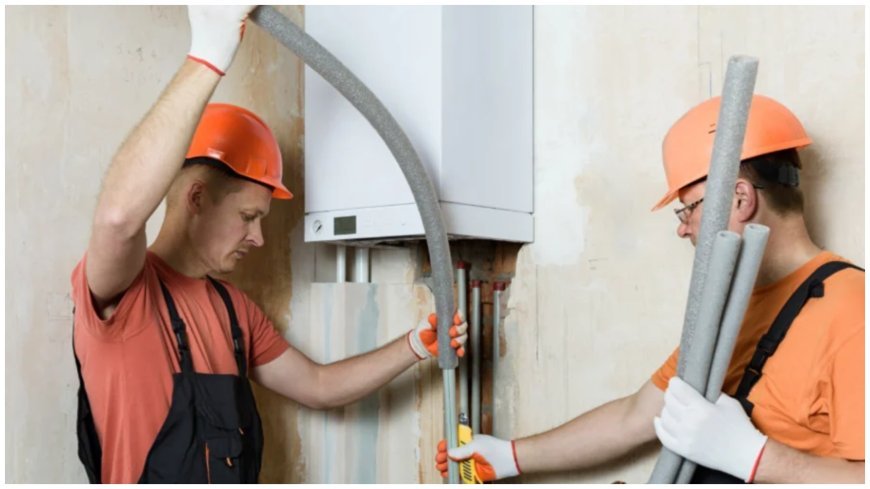
One of the most stressful things that can happen to a homeowner is to wake up to a cold house and no hot water. There are lots of pressing problems that can occur with your boiler and they're often very easy to ascertain before you call for assistance. If your system is old or you've just had a new boiler Bristol fitted, it's important to become familiar with the indicators so you can take action and save additional money when the weather gets cold.
Why Heating and Hot Water Fail at the Same Time
If the radiators are cold and the hot taps are also cold, the problem is likely to be in the boiler itself or the supply to the boiler. Typical issues are lack of gas, a tripped electrical switch, frozen condensate pipe or a fault code preventing the appliance from firing. The boiler controls heating and hot water, so that a failure can impact on all of these. Knowing this helps you to quickly narrow down the problem. A well organized and calm demeanor will generally uncover the cause sooner than repeated effort to start the system.
Always perform a "check the basics" procedure before calling anyone. Check that the thermostat is not below room temperature and that the timer has not turned off the heating. Check for a code or warning light on the display. Check other appliances for the operation of gas and electricity supply. These basic steps can have a solution to some issues in mere minutes, and could prevent an unneeded call out. It will also help the engineer if he/she has a note book with information about what you have been experimenting with.
Checking the Power Supply First
Check the fused spur, circuit breakers or the boiler switch on the consumer unit. If a boiler has no power then it will display a blank. Resetting a trip switch one time is OK, but if it trips again, stop and contact a qualified engineer, do not reset again.
Low Pressure and Other Sudden Faults
One of the most common causes for boiler failure is a low pressure measurement. Typically, gauges are designed to stay between one and two bar when the boiler is cold. If the pressure gauge drops below this, the boiler will often shut down or lock out, but boiler pressure should be simply and quickly rectified by pressurizing the system, and if the pressure drops again, then it's time to call in the experts.
Broken parts make for an unexpected fault. Pump failure, a broken diverted valve or worn sensors can unexpectedly prevent hot water or heating from working. Testing parts is quick for our engineers and a boiler repair Bristol is often the fastest way to get a normal service going again when something breaks.
When to Top Up and When to Stop
Topping up only if the manual says you can and the system is cold. If the pressure drops again within a few days, stop topping up as it may be losing water repeatedly. Filling it up again will only conceal the leak.
Frozen Condensate Pipes and Blocked Flues
Urgent breakdowns in Bristol often happen in the cold Weather. For example, a frozen condensate pipe prevents the condensate from flowing away leading to the boiler locking out. In the same way, a blocked flue can also cause the appliance to shut down after snowfall or when leaves and rubbish collect around the outlet. You may see the faults on the boiler display and outside.
There are some obvious signs of a blocked flue. You should be aware of the formation of black soot or scorching marks or the presence of fumes or exhaust fumes around the terminal. In the presence of fumes or with a yellow flame, you should switch off the boiler and inform a Gas Safe engineer immediately. A quick inspection can save you a long period of no heating and a potentially serious incident.
● A lock out code that will re-occur after every reset
● Gurgling noises from the condensate outlet
● Soot or fumes above or on the flue terminal.
● Pool of ice or water close to the exterior pipe
Thawing and Reset Safety
Always give up on resetting the boiler. It may cause components to fail and the root cause to be concealed. For frozen pipes, thaw them carefully using warm cloths. Never apply a naked flame or boiling water to plastic pipework.
Hot Water Failures in Combi and Cylinder Systems
The system type will influence how the fault reveals itself. A combi boiler supplies hot water on demand, so usually a fault will take out both hot water and heating. A system boiler combined with a hot water cylinder allows hot water to operate independently of the heating, so if the boiler develops a fault hot water is still likely to be available. A system boiler combined with a hot water cylinder allows hot water to operate independently of the heating.
These faults are usually caused by a defective motorized valve, a thermostat that isn't working properly or a diverted that's broken. During each regular boiler service Bristol appointment, the engineer will investigate controls, valves and safety devices to ensure faults such as these are identified early. If you're able to keep track of when the boiler has been serviced, you can identify what has been checked and when.
Telling the Difference Between Faults
Was the hot water not heating up in the first place or did it start to turn cold after a period of time? A slower cooling down is another indicator of a potential cylinder issue, while no hot water at all usually indicates an issue with the boiler.
Gas Smells, Leaks and Carbon Monoxide Risks
Some boiler faults can be hazardous, not just annoying. A smell of gas, a hissing sound near the appliance or a fault and headaches and dizziness are enough reasons to leave the house immediately. Open the windows, turn the gas off at the emergency control valve, and go outside if anyone is feeling unwell. Dial 0800 111 999 to contact the National Gas Emergency Service. Don't turn electrical switches on or off if you think there's a gas leak, as a spark could set fire to it.
It's invisible, so a working alarm is a must. Install an alarm near the boiler and check it frequently. The after-effects are very similar to flu with headaches, nausea and confusion, so a guilty feeling by the recipient is common. When the alarm goes off, get everyone out and call your doctor. Never go back inside until it's checked by an expert and update your alarm batteries – a silent alarm isn't much good to anyone.
Why Alarms Matter
Advises that alarms are compliant with the relevant British standard, and replaced in line with the manufacturer's instructions. A Gas Safe registered engineer can also perform regular checks to make sure the ventilation and flue are functioning.
Calling a Gas Safe Engineer for Urgent Help
If a safety check is not the cause of the fault, then use a Gas Safe registered engineer. Always ask to see their ID and ensure that they are qualified to work on your boiler type. A professional company will state what the fault is, provide a written quote for repairs and an approximate arrival time. Don't be pressured into getting the entire boiler replaced. Compare two quotes on paper if possible to take the pressure off you.
Emergency call outs tend to be more congested in the winter months, so be specific about the symptoms when calling. State the boiler make, the model and any display codes. This will prevent you having to make additional visits. If you are considering having a new boiler installation in Bristol, request a survey so that you make the right choice based on the property rather than just a whim.
Questions to Ask on the Phone
Finding out if they do, how quickly they can get to you and if the cost includes parts are good to know, so you're not surprised.
Preventing Urgent Breakdowns Before They Happen
Most of the most common faults can be easily remedied. Annual servicing, weekly pressure testing and clearing space around the boiler are steps you can take. Cover exposed pipe work before the cold weather comes and clear leaves and wasps' nests from the boiler's flue pipe. That costs tiny in comparison to an emergency call-out in the middle of the night.
Note down the make and model of the boiler and the dates when it was serviced and any fault codes. This can make diagnosing and repairing the boiler quicker and easier for the engineer and identify problems that keep recurring. Have a copy of emergency contact details somewhere everyone can access if a fault develops, have a torch and blankets ready for when the weather gets cold.
A Simple Winter Routine
Use the pressure gauge weekly during the colder months, and test the carbon monoxide alarm monthly. Schedule a service before the first cold snap. Every little helps as the weather gets cooler!.
What's Your Reaction?
 Like
0
 Dislike
0
 Love
0
 Funny
0
 Angry
0
 Sad
0
 Wow
0