

























How Revenue-Based Financing Supports Growing Food Truck Businesses
How Revenue-Based Financing Supports Growing Food Truck Businesses

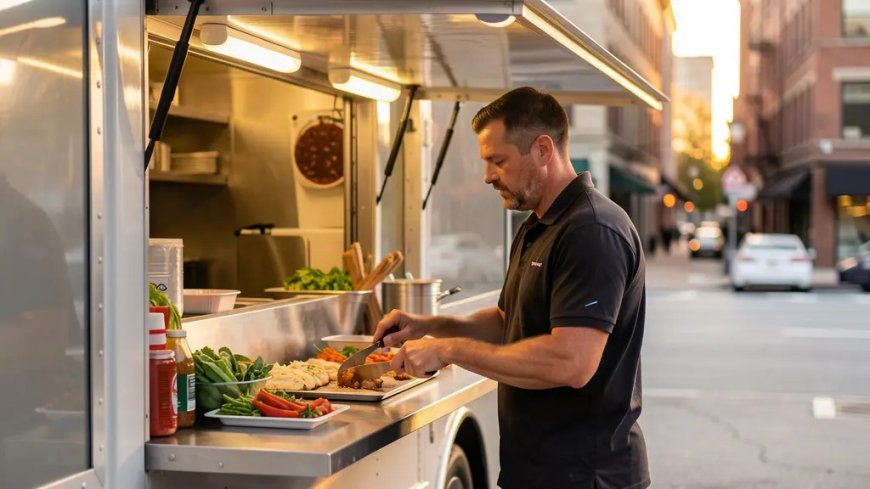
Running a successful food truck business requires more than great food and loyal customers. From purchasing fresh ingredients and maintaining kitchen equipment to securing event bookings and expanding into new locations, growth demands consistent access to working capital. That's where food truck financing can make a meaningful difference. For established food truck operators experiencing fluctuating sales, revenue-based financing offers an alternative way to access capital without relying entirely on traditional fixed-payment loan structures. It allows business owners to explore funding based on their revenue performance and use available capital to pursue growth opportunities while managing everyday operating expenses.
Understanding Revenue-Based Financing for Food Trucks
Revenue-based financing is a funding arrangement in which repayment is tied to an agreed percentage of business revenue or structured around revenue-linked collections, depending on the funding product. Rather than relying exclusively on conventional monthly installments, certain arrangements adjust payment amounts according to incoming sales.
This approach can be particularly relevant to food trucks because their income rarely follows a predictable schedule. A business might generate substantial revenue during a summer festival, weekend market, or private catering event, then experience quieter periods during unfavorable weather or seasonal slowdowns.
With the appropriate financing structure, operators can access capital while aligning repayment obligations more closely with their business's revenue patterns. However, repayment percentages, collection frequency, total costs, and agreement terms vary by provider. Understanding these details before accepting funding is essential.
Why Growing Food Truck Businesses Need Flexible Capital
Expansion creates opportunities, but it also introduces financial pressure. A food truck gaining popularity may need additional inventory, upgraded refrigeration, marketing support, or another vehicle to serve more customers.
Common situations where additional working capital can help include:
-
Inventory and ingredient purchases: Maintaining sufficient supplies to accommodate increasing customer demand without disrupting daily operations.
-
Equipment upgrades: Replacing inefficient cooking appliances, refrigeration systems, generators, or other essential kitchen equipment.
-
Event and catering opportunities: Covering advance booking deposits, transportation, staffing, and ingredient expenses before receiving customer payments.
-
Seasonal operating expenses: Managing insurance, commissary fees, payroll, fuel, and maintenance during slower revenue periods.
-
Business expansion: Supporting the launch of another truck, entering new service areas, or increasing catering capacity.
The important consideration is identifying whether the funding will support a measurable business opportunity rather than simply cover recurring financial losses.
Five Ways Revenue-Based Financing Can Support Business Growth
1. Helps Maintain Consistent Cash Flow
Food truck operators frequently face timing differences between expenses and incoming revenue. Ingredients must be purchased before customers place orders, employees need to be paid on schedule, and event organizers may require deposits well ahead of service dates.
Revenue-based funding can provide working capital to bridge these gaps. When structured with revenue-linked repayments, it may help businesses manage financial obligations without imposing the same payment pattern as a conventional fixed-installment loan.
2. Creates Opportunities to Expand Operations
When customer demand exceeds the capacity of one vehicle, expansion becomes an attractive possibility. Additional funding can help support a second truck, kitchen upgrades, additional staff, or larger catering commitments.
Before expanding, owners should estimate expected sales, operating costs, staffing requirements, and the time needed to recover the investment. Financing should support sustainable growth, not create unnecessary financial pressure.
3. Supports Seasonal Business Requirements
Weather, tourism, local events, and festival calendars can significantly influence food truck revenue. Strong summer sales may be followed by quieter winter months, making financial planning particularly important.
Revenue-based financing may provide an alternative for established businesses with demonstrable sales history. Nevertheless, seasonal operators should examine their weakest revenue months carefully. Not every revenue-based agreement automatically adjusts payments during slow periods.
4. Provides Access to Capital Without Giving Up Ownership
Some entrepreneurs consider bringing in investors when their business needs additional capital. However, sharing ownership may not align with their long-term objectives.
Certain revenue-based financing arrangements allow owners to access funding without exchanging business equity. This means entrepreneurs can retain ownership while evaluating funding options based on their operating performance and financial requirements.
5. Helps Businesses Respond to Unexpected Expenses
A commercial refrigerator failure, vehicle repair, generator replacement, or sudden equipment breakdown can interrupt service and reduce revenue.
Having access to appropriate working capital can help operators address unexpected expenses and return to normal operations sooner. The funding amount should reflect the actual requirement and the business's ability to manage repayment.
What Do Funding Partners Consider When Reviewing Applications?
Revenue-based funding is generally intended for businesses with an established revenue stream. Funding partners may evaluate several factors before presenting an offer:
-
Monthly revenue: Recent business bank deposits and overall sales performance.
-
Time in business: Operating history and the consistency of revenue.
-
Bank statements: Cash flow patterns, existing obligations, and account activity.
-
Owner credit profile: Personal credit may influence available financing options and terms.
-
Existing financing: Outstanding advances or other repayment commitments.
-
Funding purpose: Whether the requested capital supports a reasonable business objective.
Many working capital providers prefer to see approximately six months or more of business activity, although requirements differ. Approval is never guaranteed, and each funding partner applies its own underwriting criteria.
Revenue-Based Financing vs. Traditional Business Loans
Traditional business loans generally involve predetermined repayment schedules, while revenue-based arrangements may connect collections to business revenue.
For food truck owners, the right option depends on the intended use of funds, financial history, repayment capacity, and overall cost.
For example, purchasing a long-lasting food truck or major kitchen equipment may be better suited to equipment financing. Recurring operating expenses may call for a business line of credit, while a time-sensitive working capital requirement could justify considering revenue-based funding.
Before accepting an offer, compare the total repayment amount, payment frequency, fees, factor rate or APR-equivalent where applicable, prepayment conditions, and potential impact on cash flow. Never evaluate financing solely by how quickly the money becomes available.
Build Your Next Growth Opportunity With Commera Finance
Growth should strengthen your food truck business, not place unnecessary pressure on its finances. Commera Finance works as a commercial financing broker, not a bank or direct lender. Our focused team of business capital advisors evaluates your revenue profile, industry, and funding requirements to identify suitable financing structures through our funding partners.
Whether you need working capital, equipment financing, or funding to support another truck, we focus on matching the capital structure to your business needs. Explore your options with Commera Finance and take the next step toward sustainable growth.
Commera Finance – Smarter Food Truck Financing for Businesses Ready to Grow.
Frequently Asked Questions (FAQs)
1. What is revenue-based financing for food truck businesses?
It is a funding arrangement where repayment is linked to an agreed percentage of business revenue or another revenue-based collection structure. It can help established food truck operators access working capital for inventory, operating expenses, and expansion.
2. Can a food truck business qualify for revenue-based financing?
Yes, established food truck businesses may qualify if they demonstrate sufficient revenue, consistent business deposits, and an acceptable financial profile. Specific eligibility requirements depend on the funding partner.
3. Can revenue-based financing help purchase a second food truck?
It may support expansion-related expenses, but equipment or commercial vehicle financing could be more appropriate for purchasing the vehicle itself. Comparing both structures can help determine the most suitable option.
4. Is revenue-based financing better than a traditional business loan?
Neither option is universally better. Revenue-based financing may offer a different repayment structure, while traditional loans may provide more predictable installments and potentially lower costs. The right choice depends on eligibility, cash flow, and financing terms.
5. How quickly can food truck businesses receive funding?
Funding timelines vary according to the financing product, documentation, underwriting, and funding partner. Some working capital options can move faster than traditional bank financing, but no specific approval or funding timeline is guaranteed.
6. Does Commera Finance directly provide food truck financing?
No. Commera Finance is a commercial financing broker, not a direct lender. The company evaluates business requirements and helps connect qualified applicants with appropriate funding partners and available financing options.
What's Your Reaction?
 Like
0
 Dislike
0
 Love
0
 Funny
0
 Angry
0
 Sad
0
 Wow
0



