

















Exhibition Booth Design: How to Plan a Stand That Wins Leads
Choose one main goal before you brief a designer: lead capture, product launch, brand awareness or partner meetings. Each goal calls for a different layout.
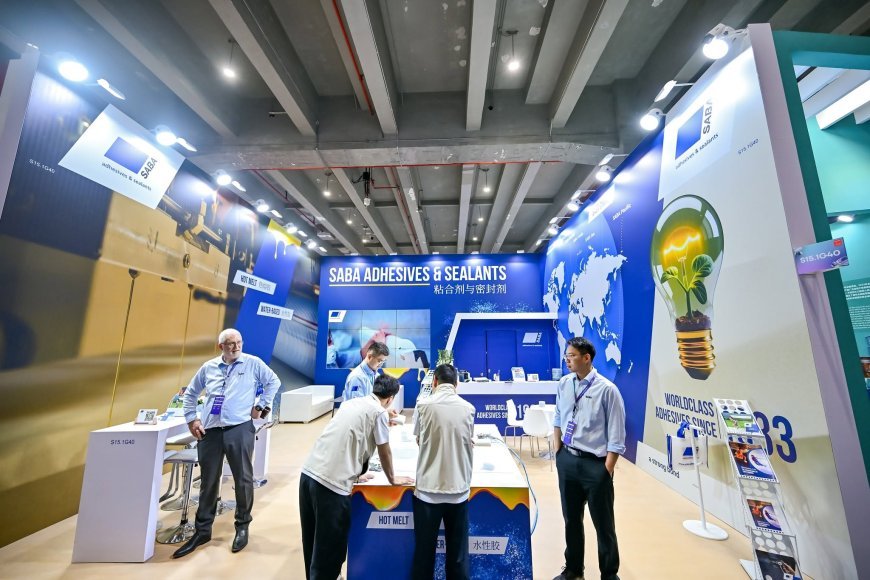
Effective exhibition booth design starts with one clear show goal, then builds the layout, graphics, lighting and meeting space around it. A strong design is visible from the aisle, easy to enter and organised into zones for demos, conversations and storage, all within a budget that also covers freight and installation.
Exhibition booth design decides whether visitors walk past your stand or walk in. On a crowded show floor you have only a few seconds to show who you are and what you offer, so every wall, screen and counter has to support a single message. This guide covers the decisions that matter most, from goals and floor position to lighting, and explains how custom exhibition booth design differs from standard trade show booth design.
Why Does Exhibition Booth Design Matter?
A booth is your brand in physical form. Visitors judge it before they speak to anyone, and they use that first impression to decide whether you are worth their time. A well-planned stand does three jobs at once:
• Attracts attention from the aisle
• Explains your product or service within seconds
• Gives staff a comfortable space for real conversations
Start With One Goal and a Clear Budget
Choose one main goal before you brief a designer: lead capture, product launch, brand awareness or partner meetings. Each goal calls for a different layout. A lead-capture stand needs several open contact points, while a launch stand needs a stage or demo area.
Your brief should also state a total budget that covers design, build, freight, installation, storage and dismantling, not only the structure itself. Designers can then recommend materials and features that fit the real figure.
Plan the Layout Around Your Floor Position
Floor position shapes how visitors approach the stand. Inline spaces face one aisle, corner spaces face two, and island spaces open on three or four sides. Good exhibition booth design uses this to its advantage:
• Keep the entrance open and place counters to one side
• Put demos near the edge so a crowd can watch without blocking the aisle
• Keep your main graphic visible from a distance
• Reserve a quieter corner for longer meetings
Use Graphics and Lighting to Carry One Message
Graphics should be readable at a glance. Use a short headline, one clear product image and your logo, and leave empty space around them. Too much text turns a stand into a poster wall that nobody stops to read.
Lighting does as much work as graphics. Bright, even light on products and signage draws the eye, while softer light in the meeting area makes conversations feel relaxed. Treat lighting as part of the design brief, not an add-on.
Create Zones for Demos, Reception and Meetings
A stand that works usually has three kinds of space: an open reception point for quick conversations, a demo or display area, and a semi-private seating area for qualified leads. Planning these zones together stops the stand from feeling crowded and helps staff move visitors from a first hello to a proper discussion.
Custom, Modular or Hybrid Exhibition Booth Design
• Custom: Built around your brand, product and floor plan. It costs more upfront but gives full control over layout, storage and meeting space.
• Modular: A reusable frame with changeable graphics. It suits regular shows and tighter budgets.
• Hybrid: A modular frame with a custom front wall or feature element, a common middle path for exhibitors who attend several shows a year.
Common Exhibition Booth Design Mistakes
• Too much text and several competing messages
• Counters that block the entrance
• No storage for brochures, samples and staff belongings
• Ignoring venue rules on height, power and rigging
• Briefing the designer too late
FAQ
How early should I start exhibition booth design?
For a custom stand, start a few months before the show. That leaves time for 3D concepts, approvals, production and freight. Large or double-decker builds need even more lead time.
What is the difference between exhibition booth design and trade show booth design?
They describe the same work. "Exhibition booth" is the more common phrase in Europe, Asia and the Middle East, while "trade show booth" is more common in North America.
What should I include in an exhibition booth design brief?
Include your show goal, booth size and floor position, total budget, products to display, number of staff and any brand guidelines. The clearer the brief, the more accurate the first concept.
Conclusion
Good exhibition booth design is planned long before the first panel goes up. Set one goal, study your floor position, choose between custom and modular with your show calendar in mind, and give your designer a complete brief from the first meeting.
If you are planning to exhibit in China, Panda Expo China can help you design and build an exhibition stand that supports your goals from concept to dismantling.
What's Your Reaction?
 Like
0
 Dislike
0
 Love
0
 Funny
0
 Angry
0
 Sad
0
 Wow
0