





















What Should Businesses Know About Lead-Free PVC Stabilizers?
Ala Polystabs provides PVC heat stabilizer solutions designed to support consistent processing and reliable product quality across various applications. As a PVC Stabilizer Manufacturer, the company focuses on industrial requirements for PVC pipes, electrical cables, profiles, fittings, and other PVC products. Its stabilizer solutions help manufacturers address heat-related processing challenges and maintain production consistency. Learn more about its products at Ala Polystabs.
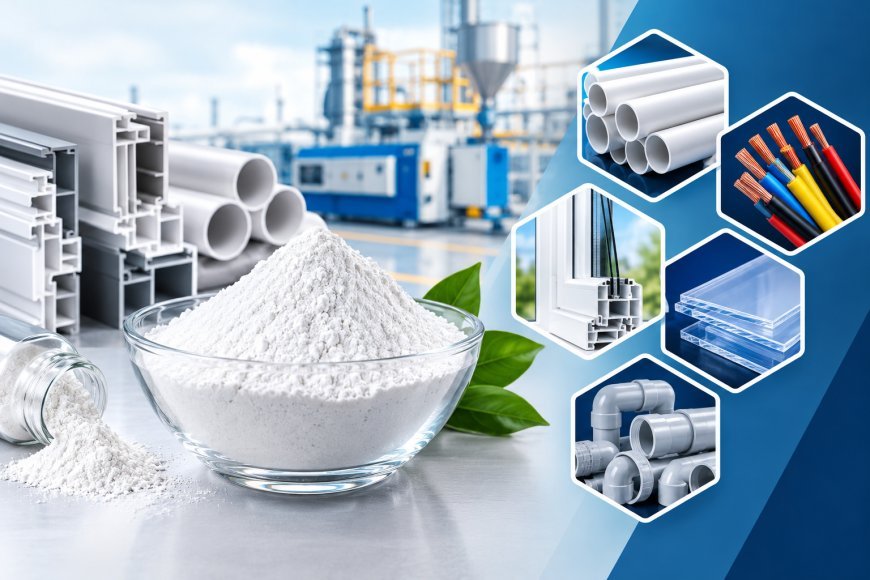
PVC is widely used in construction, electrical cables, footwear, pipes, and various industrial products because of its strength, flexibility, and durability. However, producing high-quality PVC products requires proper heat stabilization during manufacturing. Without a suitable stabilizer, excessive heat can cause discoloration, surface defects, material degradation, and inconsistent product quality. As industries explore alternatives to traditional lead-based stabilizers, businesses need to understand how lead-free solutions can support reliable production.
Choosing the right PVC Stabilizer Manufacturer in India can help businesses find suitable lead-free alternatives based on their application requirements, processing conditions, and quality standards. These stabilizers are designed to provide thermal stability without intentionally relying on lead-based stabilizing compounds. Selecting the right formulation can help manufacturers address customer specifications, support compliance with applicable regulations, and maintain consistent production quality.
However, switching stabilizers should not be treated as a simple ingredient replacement. Every PVC formulation has specific processing requirements, and the performance of a new stabilizer depends on the complete formulation, equipment, and manufacturing conditions.
What Problems Can Lead-Free Stabilizers Help Address?
Manufacturers often face several challenges when changing from traditional stabilizers to lead-free alternatives. Understanding these problems before making a switch can reduce production disruptions and unnecessary material waste.
1. Environmental and compliance concerns
Businesses supplying PVC products to different industries may face customer requirements concerning restricted substances and material safety. Lead-free formulations can help address these expectations, provided the selected products meet the applicable regulatory and customer specifications. Manufacturers should verify the relevant standards for their products and target markets rather than assuming that every lead-free formulation automatically meets all compliance requirements.
2. Product discoloration during processing
PVC can degrade when exposed to excessive heat or prolonged processing. This may result in yellowing, dark spots, or other colour changes that affect the final product's appearance. A suitable stabilizer helps control thermal degradation when used with appropriate processing temperatures, mixing conditions, and formulation design.
3. Inconsistent production quality
Variations in stabilizer quality or dosage can contribute to inconsistent processing behaviour and finished-product performance. Businesses should establish clear material specifications and work with suppliers who can provide consistent product quality, technical information, and batch documentation.
How Should Businesses Select the Right Lead-Free Stabilizer?
Selecting a stabilizer requires more than comparing prices. The product must suit the specific PVC application and deliver reliable performance under actual manufacturing conditions.
1. Identify the end application
Different products require different stabilizer characteristics. PVC pipes may need a formulation designed for processing consistency and long-term product performance, while cable compounds may require particular attention to electrical properties, thermal stability, and processing behaviour. Footwear and flexible PVC products can have different requirements again.
Start by defining the product type, processing method, operating conditions, and required finished-product properties. This information helps narrow down suitable stabilizer options.
2. Evaluate processing performance
Before adopting a new formulation across an entire production line, conduct controlled trials. Monitor processing temperature, fusion behaviour, colour retention, surface finish, production speed, and other application-specific parameters. Compare the results against the existing formulation and established quality standards.
3. Check technical documentation
Ask suppliers for product specifications, recommended dosage ranges, safety documentation, and relevant technical guidance. Where necessary, request information about regulatory suitability and testing results. Clear documentation helps businesses make decisions based on evidence rather than general product claims.
What Role Do PVC Heat Stabilizers Play in Performance?
Thermal stability is one of the most important factors in PVC manufacturing. During processing, PVC is exposed to heat and mechanical forces that can contribute to degradation if conditions are not properly controlled. Suitable pvc heat stabilizers help reduce heat-related degradation and support consistent processing when matched correctly to the formulation.
Lead-free options must be evaluated according to the same practical requirements. Businesses should consider the stabilizer's compatibility with other additives, its effect on colour and appearance, and its performance under the intended processing conditions. A formulation that performs well in one application may not deliver the same results in another.
For this reason, manufacturers should avoid making changes based solely on a supplier's general claims. Laboratory evaluations, production trials, and quality checks provide a stronger basis for selecting an appropriate stabilizer system.
How Can Businesses Make the Transition Without Increasing Costs?
One common concern is that changing stabilizer systems may increase production costs. Although the purchase price per kilogram matters, it does not represent the full cost of using a material.
Businesses should evaluate the total cost of production, including dosage requirements, rejected products, processing time, energy consumption, and quality-related losses. A stabilizer that costs slightly more may still offer better overall value if it supports consistent production and reduces avoidable waste.
To manage the transition effectively, businesses can follow these steps:
-
Run small-scale trials: Test the proposed stabilizer before introducing it throughout the production line.
-
Maintain formulation records: Document dosage, processing conditions, and quality results for every trial.
-
Train production teams: Ensure operators understand the adjustments required for the new formulation.
-
Review supplier consistency: Monitor incoming material quality and investigate unexpected batch variations.
-
Measure actual results: Compare production efficiency, finished-product quality, and overall costs before and after the change.
These measures help businesses identify problems early and make adjustments before they affect large production batches.
Why Is Choosing the Right Supplier Essential?
A dependable supplier contributes more than the supply of stabilizer materials. Businesses benefit from consistent quality, transparent communication, reliable deliveries, and practical technical support. These factors become particularly important when introducing a new formulation or addressing recurring production challenges.
When evaluating suppliers, consider their product range, quality-control practices, documentation, manufacturing capabilities, and ability to understand your application requirements. Ask relevant questions about formulation suitability and testing procedures before finalising a purchase.
A manufacturer that understands the challenges of PVC processing can help businesses assess suitable options and establish a more systematic approach to material selection.
Conclusion
Lead-free PVC stabilizers offer businesses an opportunity to respond to changing customer expectations and material requirements while maintaining a focus on product quality and manufacturing efficiency. However, successful adoption depends on selecting the right formulation, conducting proper trials, maintaining quality controls, and evaluating total production costs.
By working with an experienced supplier, businesses can make informed decisions about stabilizer selection and reduce the risks associated with formulation changes. Careful testing and consistent monitoring remain essential for achieving dependable results across different PVC applications.
What's Your Reaction?
 Like
0
Like
0
 Dislike
0
Dislike
0
 Love
0
Love
0
 Funny
0
Funny
0
 Angry
0
Angry
0
 Sad
0
Sad
0
 Wow
0
Wow
0