

























What Should Restaurant Owners Consider Before Launching Their Own Food Ordering App?
Discover essential features, costs, and strategies restaurant owners should consider before launching a successful food ordering app for their business.
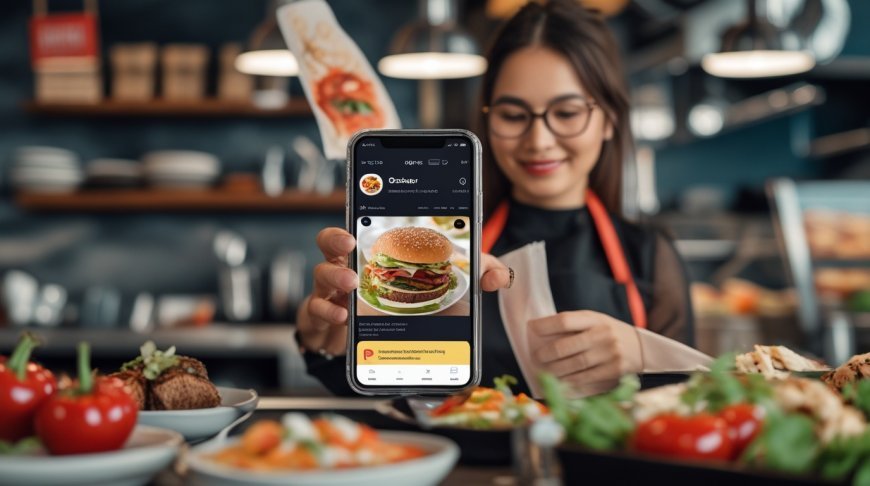
Running a restaurant already means juggling suppliers, staff, rent, and a never-ending stream of customer expectations. Adding a branded ordering app to that list sounds appealing, especially when third-party marketplaces keep taking a bite out of every order. But an app is not just a digital menu. It’s a product, a channel, and a commitment, and restaurants that rush in without a plan often end up with an expensive app that few customers download.
A little preparation changes the odds dramatically. Working with an experienced food delivery app development company can guide the technical side, but the strongest launches start with owners who understand what they’re getting into. Here’s what to think through first.
Budgeting Realistically for the Cost to Develop Food Delivery App Projects
Money is the first practical question, and it deserves a careful answer. The cost to develop food delivery app solutions varies widely depending on features, platforms, design, integrations, and the team you hire. A simple ordering app for a single location costs far less than a platform with loyalty programs, live driver tracking, and multi-location management. Generic numbers found online rarely match a specific restaurant’s needs.
Start by listing what you truly need at launch, then request itemized estimates from several providers. Remember that the build is only part of the picture. Hosting, payment processing fees, updates, customer support, and marketing continue after launch. A restaurant that budgets only for development can run short of funds just when the app needs promotion to take off.
Clarify Why You Want an App
Before committing, define the goal. Are you trying to cut marketplace commissions, build a loyalty base, speed up pickup orders, expand into delivery, or simply modernize ordering? Your answer shapes everything else.
A restaurant seeking repeat customers needs strong loyalty and reorder features, while one focused on pickup might prioritize scheduling and notifications. Clear goals keep the project focused and give you a way to judge success later.
Check Whether Your Customers Will Actually Use It
An app only helps if people download and use it. Consider how your customers currently order: by phone, in person, through marketplaces, or through your website. Ask regulars what would make them switch to your app, and examine how many already order online.
Some restaurants find that a well-built mobile-friendly website or a lighter solution serves them better at first. Others discover strong demand from loyal local customers. Testing interest early prevents building something nobody wants.
Decide How Delivery Will Work
If you plan to offer delivery, you need to decide how it happens. Will you use your own drivers, hire contract couriers, partner with a delivery service, or offer only pickup? Each option affects cost, control, and technical requirements.
Own drivers give you the most control but require management, insurance, and scheduling. Partner services reduce your workload but add fees. Define delivery zones, minimum orders, and fees that keep the economics healthy. Providers of on demand food delivery app development services can build the right tools once you’ve settled on the model.
Understand What the App Needs to Do
Most restaurant apps share a core feature set:
- Easy menu browsing with photos and descriptions
- Simple customization for modifications and special requests
- Secure checkout with multiple payment options
- Order tracking and status notifications
- Saved addresses and favorite items for quick reordering
- A restaurant panel for managing menus and incoming orders
- Basic reporting on sales and popular dishes
Advanced options like loyalty programs, promotions, scheduled orders, and table reservations can come later. A focused food delivery app development solution launches with essentials and grows based on real usage.
Plan for Integration With Your Existing Systems
Your kitchen already runs on certain systems, especially a point-of-sale terminal. If online orders don’t flow into it smoothly, staff end up retyping tickets, which causes mistakes and delays. Ask potential partners about POS integration, printer connectivity, and inventory syncing.
Also consider your accounting and marketing tools. The smoother these connect, the less manual work your team faces.
Think About Your Kitchen’s Capacity
An app can bring more orders than your kitchen can handle. Consider how peak-hour volume will affect preparation times, quality, and staff stress. Features such as order throttling, adjustable preparation times, and the ability to pause ordering protect the customer experience when the kitchen is slammed.
Packaging matters too. Food that travels well keeps delivery customers happy, so review which dishes hold up and which need adjustments.
Prioritize the Customer Experience
Customers compare your app with the polished ones they use every day. Slow loading, confusing menus, or a clunky checkout will send them straight back to marketplaces. Aim for a clean design, fast performance, and a checkout with as few steps as possible.
Test the experience on mid-range phones and with real customers before launch. Small usability fixes can noticeably improve completed orders.
Take Security and Payments Seriously
Your app will handle payment information and personal details. Secure payment processing, encrypted data, and compliance with relevant regulations aren’t optional. Ask providers which payment gateways they integrate and how they test for vulnerabilities, and understand the processing fees involved.
A security incident can damage a local restaurant’s reputation quickly, so this is an area to get right from day one.
Plan Your Launch and Promotion
Launching an app quietly rarely works. Decide how you’ll promote it: in-store signage, QR codes on tables and receipts, social media, email, and first-order discounts or loyalty rewards. Make it easy to find and clearly better than ordering through marketplaces, perhaps through exclusive deals or points.
Many restaurants keep a marketplace presence for discovery while steering repeat customers to their own app, which helps protect margins over time.
Choose the Right Development Partner
The team you select shapes the outcome. Look for food app development services with real experience building restaurant ordering systems, and ask to see live apps they’ve delivered. Speak with past clients about timelines, communication, and post-launch support. A reliable food delivery booking app development company will explain pricing clearly, recommend a focused first release, and be honest about tradeoffs.
Consider whether a white-label option could meet your needs faster and more cheaply than a fully custom build, and ask providers to compare both. A transparent food booking app development company will welcome that question rather than steer you toward the most expensive route.
Be cautious of quotes far below the others. They often leave out features, testing, or support that reappear later as extra charges.
Plan for Ongoing Support and Improvement
An app needs continuing attention: bug fixes, operating system updates, menu changes, new features, and customer support. Confirm what maintenance is included, how quickly critical issues are handled, and how you can request improvements. Review order data regularly to spot popular items, busy hours, and opportunities for promotions.
Final Thoughts
Before launching a food ordering app, restaurant owners should define their goals, confirm customer demand, plan delivery logistics, budget for the full lifecycle, ensure kitchen and POS readiness, prioritize usability and security, and prepare a real promotion plan.
With careful planning and an experienced food delivery app development company at your side, your app can become a profitable channel you own, strengthening customer loyalty and keeping more of every order’s revenue in your restaurant.
What's Your Reaction?
 Like
0
Like
0
 Dislike
0
Dislike
0
 Love
0
Love
0
 Funny
0
Funny
0
 Angry
0
Angry
0
 Sad
0
Sad
0
 Wow
0
Wow
0