


























Cookware Sizes Explained: Choosing the Right Pots and Pans

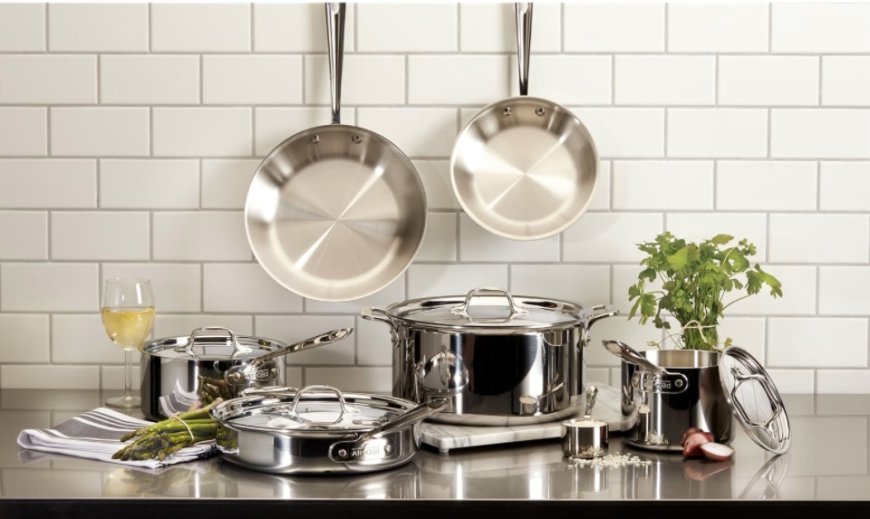
Choosing the right cookware sizes can make everyday cooking easier, whether you're preparing a quick breakfast or making dinner for the entire family. Pots and pans that are too small can cause overcrowding, while oversized cookware may waste space, take longer to heat, and make cooking less convenient.
Understanding standard cookware sizes helps you build a practical kitchen without spending money on pieces you rarely use. From frying pans and saucepans to stockpots and Dutch ovens, each size serves a different purpose.
1. Frying Pan Sizes Explained
Frying pans are among the most frequently used cookware items. They are available in different diameters, usually measured across the top of the pan.
-
8-inch frying pan: Ideal for frying one or two eggs, toasting spices, or preparing small portions.
-
10-inch frying pan: A versatile option for everyday cooking, including omelets, chicken breasts, and sautéed vegetables.
-
12-inch frying pan: Suitable for family meals, larger portions, and cooking several ingredients together.
-
14-inch frying pan: Useful for larger households, although it requires more storage space and a suitable burner.
For most households, a 10-inch or 12-inch frying pan is a practical starting point. If you frequently prepare meals for several people, a larger pan can help prevent overcrowding.
2. Saucepan Sizes and Their Uses
Saucepans have deep sides and usually come with lids, making them useful for liquids and smaller meals.
| Saucepan size | Best uses |
|---|---|
| 1 quart | Melting butter, heating sauces, and warming small portions |
| 2 quarts | Cooking oatmeal, preparing sauces, and boiling a few eggs |
| 3 quarts | Making rice, preparing side dishes, and cooking vegetables |
| 4 quarts | Preparing soups, pasta sauces, and larger portions |
A 2- to 3-quart saucepan is suitable for many everyday tasks. If you regularly cook for a family, a 4-quart option provides additional capacity.
3. Stockpot Sizes for Soups and Pasta
Stockpots are designed for cooking larger quantities of food. Their tall sides and generous capacity make them useful for soups, broths, pasta, and batch cooking.
-
4-quart stockpot: Best for small batches of soup and side dishes.
-
6-quart stockpot: A useful all-purpose option for many households.
-
8-quart stockpot: Suitable for family meals, pasta, and meal preparation.
-
12-quart or larger: Better for large gatherings, homemade stock, and bulk cooking.
Consider your storage space before purchasing a large stockpot. A 6- to 8-quart model is often sufficient for regular home cooking.
4. Dutch Oven Sizes Explained
Dutch ovens are versatile pots used for braising, slow cooking, soups, stews, and baking bread. They retain heat well and can move between the stovetop and oven when the manufacturer's instructions allow it.
A 3- to 4-quart Dutch oven works well for smaller households and side dishes. A 5- to 6-quart model offers greater versatility for everyday family meals, while a 7- to 8-quart option is useful for larger batches and entertaining.
Because cast iron Dutch ovens can be heavy, consider both capacity and weight before buying.
5. Choosing Cookware Sizes for Your Household
The right cookware collection depends on how many people you usually cook for and the meals you prepare.
-
One or two people: A 10-inch frying pan, a 2-quart saucepan, and a 4-quart pot can cover many basic needs.
-
Three to four people: Consider a 10- or 12-inch frying pan, a 3-quart saucepan, and a 6- to 8-quart stockpot.
-
Five or more people: Larger frying pans, a 4-quart saucepan, and an 8- to 12-quart stockpot may be more practical.
These are general recommendations rather than strict rules. Your cooking habits, available storage, and preferred recipes should guide your final choices.
6. Check Cooktop Compatibility and Burner Size
Cookware capacity is important, but the pan's base diameter also affects performance. A pan that is much wider than the heating area may cook unevenly, while a small pan on a large burner may waste energy.
For induction cooktops, confirm that the cookware has a compatible magnetic base and meets the cooktop's size requirements. Gas and electric stoves also benefit from appropriately sized cookware.
Always review the manufacturer's specifications before purchasing a new pot or pan.
7. Invest in Cookware That Fits Your Needs
Buying the largest cookware set available is not always the best approach. A smaller collection of versatile pieces can provide better value if you choose the right sizes.
Before investing in premium cookware, compare construction, heat distribution, durability, cleaning requirements, and storage needs. Reading an Our Place review can also help you evaluate a brand's cookware designs, features, and suitability for your kitchen.
Consider starting with the sizes you use most often and adding specialized cookware as your cooking skills and needs develop.
Final Thoughts
Choosing the right pot and pan sizes helps you cook more efficiently, avoid overcrowding, and make better use of your kitchen space. A 10- to 12-inch frying pan, a 2- to 3-quart saucepan, and a medium-sized stockpot are useful starting points for many households.
Before buying cookware, think about your household size, favorite recipes, stove compatibility, and storage space. Prioritizing practical sizes over unnecessary extras can help you create a functional cookware collection that serves you well for years.
What's Your Reaction?
 Like
0
Like
0
 Dislike
0
Dislike
0
 Love
0
Love
0
 Funny
0
Funny
0
 Angry
0
Angry
0
 Sad
0
Sad
0
 Wow
0
Wow
0








