




















The Ultimate Beginner's Guide to Backyard BBQ Grilling

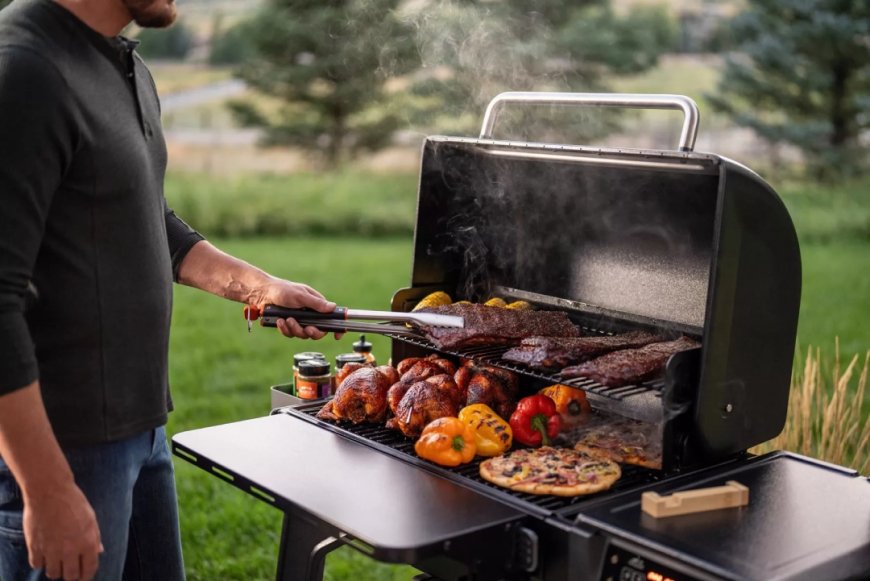
Backyard BBQ grilling is one of the easiest ways to enjoy delicious food, spend time outdoors, and bring friends and family together. Whether you want to prepare juicy burgers, perfectly grilled vegetables, tender chicken, or slow-cooked ribs, learning a few basic grilling techniques can help you get better results from your very first cookout.
However, getting started can feel a little intimidating. Choosing the right grill, understanding temperature control, preparing ingredients, and knowing when food is cooked properly are all important parts of the process. The good news is that you do not need professional equipment or years of experience to make great BBQ at home.
This beginner-friendly guide covers everything you need to know about backyard BBQ grilling, from selecting your first grill to mastering heat management, choosing the right accessories, and keeping your equipment in excellent condition.
1. Choose the Right Grill for Your Backyard
Before you start grilling, you need equipment that fits your cooking style, available space, and budget. Different grills offer different advantages, so it is worth understanding the main options before making a purchase.
Gas Grills
Gas grills are popular with beginners because they are relatively easy to operate. Most models allow you to adjust the burners to control the cooking temperature, making them suitable for quick weeknight meals and weekend cookouts.
Best for: Burgers, hot dogs, chicken, vegetables, and everyday grilling.
Advantages:
-
Fast startup and convenient operation.
-
Adjustable heat settings.
-
Relatively straightforward temperature control.
-
Easy to use for quick meals.
Things to consider: Gas grills require an appropriate fuel supply, and you will need to inspect connections and maintain the burners according to the manufacturer's instructions.
Charcoal Grills
Charcoal grills are a traditional choice for backyard BBQ enthusiasts who enjoy the distinctive flavor and cooking experience associated with charcoal.
They can reach high temperatures for searing while also supporting indirect cooking when the charcoal is arranged correctly.
Best for: Steaks, burgers, chicken, and traditional charcoal BBQ.
Advantages:
-
High heat for searing.
-
Flexible cooking arrangements.
-
A classic grilling experience.
Things to consider: Charcoal grills usually require more preparation, temperature management, and cleanup than gas grills.
Pellet Grills
Pellet grills use compressed wood pellets as fuel. Many models feature an electronic controller that regulates pellet feeding to help maintain the selected cooking temperature.
They are particularly useful for people interested in smoking meat, roasting food, and experimenting with wood-fired flavors.
Best for: Brisket, ribs, pulled pork, smoked chicken, and longer cooking sessions.
Advantages:
-
Convenient temperature management on many models.
-
Wood-fired flavor.
-
Suitable for low-and-slow cooking.
-
Versatility for smoking, roasting, and some higher-temperature grilling tasks, depending on the model.
Things to consider: Pellet grills require electricity for their control systems and feeding mechanisms. You will also need to keep pellets dry and clean the grill regularly.
When comparing outdoor cooking equipment, consider how much time you want to spend managing the fire. Brands such as Grilla Grills offer pellet grills and smokers for enthusiasts interested in wood-fired outdoor cooking.
For beginners, the best grill is not necessarily the biggest or most expensive one. It is the model that fits your space, cooking preferences, and maintenance expectations.
2. Learn the Difference Between Direct and Indirect Heat
Understanding heat management is one of the most important skills in BBQ grilling. Two basic methods are direct heat and indirect heat.
Direct Heat
Direct grilling means placing food directly over the heat source. It works well for foods that cook relatively quickly, such as burgers, thin steaks, shrimp, and sliced vegetables.
This method helps create browning and a flavorful exterior. However, because the food is close to the heat source, it can burn if left unattended.
Indirect Heat
Indirect grilling means positioning food away from the strongest heat source while the grill's hot air cooks it.
This technique is useful for larger cuts of meat, whole chickens, thick pork chops, and foods that need more time to cook through without burning on the outside.
On a gas grill, you can turn on one or more burners and place the food over an unlit area. On a charcoal grill, arrange the coals to create a cooler cooking zone. Pellet grills typically use their controller and internal heat distribution system to maintain the desired cooking environment.
Beginner tip: Set up a two-zone cooking area whenever your grill allows it. You can sear food over direct heat and then move it to a cooler zone to finish cooking.
3. Preheat Your Grill Before Cooking
One common beginner mistake is placing food on the grill before it has reached the appropriate temperature.
Preheating helps establish a more consistent cooking environment and can improve browning. It also helps reduce sticking when cooking on suitable, properly prepared grill grates.
The ideal preheating time depends on the grill type, weather conditions, and desired cooking temperature. Follow the manufacturer's instructions rather than relying on a single timing rule.
Before adding food:
-
Check that the grill is clean enough for cooking.
-
Make sure the grates are correctly positioned.
-
Set the desired temperature or heat level.
-
Allow the grill to preheat according to its instructions.
-
Keep the lid open or closed as recommended for your particular grill and cooking method.
A properly preheated grill makes it easier to control cooking and achieve consistent results.
4. Prepare Your Ingredients Properly
Great BBQ starts before the food reaches the grill. Preparing ingredients in advance makes the cooking process more organized and helps you avoid unnecessary interruptions.
Season Your Food
Salt, black pepper, garlic powder, paprika, and other seasonings can add flavor to grilled food without requiring complicated recipes.
For chicken, you might use a simple combination of olive oil, garlic, paprika, and herbs. For steak, salt and freshly ground black pepper can be enough to let the meat's natural flavor stand out.
Dry rubs are especially useful for ribs, pork shoulder, and other cuts intended for smoking.
Use Marinades When Appropriate
Marinades can add flavor and, depending on their ingredients and the food involved, affect surface texture. Oil, herbs, spices, citrus juice, and other ingredients can create different flavor profiles.
Always marinate perishable foods in the refrigerator, not at room temperature. Discard used marinade that has contacted raw meat unless you bring it to a safe boil before using it as a sauce.
Organize Everything Before You Start
Prepare your ingredients, utensils, sauces, and serving plates before lighting the grill.
This practice, often called mise en place, helps you focus on the cooking instead of searching for tools while food is exposed to heat.
Keep raw meat separate from ready-to-eat ingredients, and use clean plates and utensils for cooked food.
5. Start With Easy BBQ Recipes
You do not need to begin with a complicated brisket or a long smoking session. Start with foods that cook relatively quickly and help you practice temperature control.
Grilled Burgers
Burgers are an excellent introduction to direct grilling. Prepare evenly sized patties, season them simply, and cook them over appropriately heated grates.
Avoid repeatedly pressing the patties with a spatula, as this releases juices and can cause flare-ups.
Use a food thermometer to check doneness. Ground beef should reach an internal temperature of 160°F (71°C) for food safety.
Grilled Chicken
Chicken is versatile and works well with a wide range of marinades and seasonings.
Boneless chicken breasts cook relatively quickly, while bone-in pieces require more time. Avoid relying on exterior color alone to determine whether the meat is ready.
Chicken should reach an internal temperature of 165°F (74°C) in its thickest part.
Grilled Vegetables
Bell peppers, zucchini, onions, mushrooms, and asparagus are excellent choices for beginners.
Cut vegetables into reasonably consistent pieces so they cook more evenly. A light coating of oil and simple seasoning can help prevent sticking and improve browning.
Use a grill basket for smaller pieces that might otherwise fall through the grates.
BBQ Ribs
Ribs introduce you to longer cooking times and more advanced heat management.
Many BBQ enthusiasts prefer low-and-slow cooking because it gives connective tissue time to soften. You can season ribs with a dry rub and cook them using indirect heat or a smoker, following a recipe suited to the cut.
Allow enough time for the process, and remember that tenderness is influenced by both temperature and cooking duration.
6. Use a Meat Thermometer Instead of Guessing
A meat thermometer is one of the most useful tools for beginner grillers. Checking internal temperature is more reliable than judging doneness by color, firmness, or cooking time alone.
Different foods require different minimum internal temperatures. As general food-safety guidance:
| Food | Minimum internal temperature |
|---|---|
| Whole cuts of beef, pork, lamb, and veal | 145°F (63°C), followed by a 3-minute rest |
| Ground beef, pork, lamb, and veal | 160°F (71°C) |
| Poultry, including chicken and turkey | 165°F (74°C) |
| Fish | 145°F (63°C) |
For whole cuts of meat, measure the temperature in the thickest part, away from bone. For thin foods, insert the thermometer from the side when necessary to get an accurate reading.
Follow appropriate food-safety guidance for other foods and specific cooking methods. When in doubt, use a trusted food-safety resource and the manufacturer's instructions.
A digital instant-read thermometer is a practical starting point because it provides quick readings without requiring an expensive setup.
7. Choose the Right Wood Pellets for Smoky Flavor
If you decide to use a pellet grill, experimenting with different wood pellets can help you discover flavors that complement your favorite foods.
Common options include:
-
Hickory: A bold, traditional smoke flavor that pairs well with many meats.
-
Apple: A milder, slightly sweet profile often used with pork and poultry.
-
Cherry: A fruitwood option that works well with poultry and pork and can complement beef.
-
Maple: A relatively mild option suitable for various foods.
-
Oak: A versatile wood with a balanced flavor profile.
Flavor intensity depends on the pellet blend, the food, cooking temperature, and duration. There is no single wood type that is best for every recipe.
Use only pellets specifically designed for your grill, and check the manufacturer's recommendations. Do not use heating pellets or other fuel products unless explicitly approved for cooking.
Beginners should start with one wood flavor and experiment gradually. This makes it easier to understand how different pellets influence the final result.
8. Invest in a Few Essential Grilling Accessories
You do not need a large collection of accessories to get started. A few reliable tools can make grilling easier, safer, and more consistent.
Long-Handled Tongs
Tongs allow you to turn food and move ingredients without placing your hands too close to hot surfaces. Choose a sturdy pair with a comfortable grip.
Grill Brush or Approved Grate-Cleaning Tool
A suitable cleaning tool helps remove residue from grill grates. Follow your grill manufacturer's guidance and inspect the grates after cleaning to ensure no loose bristles or debris remain.
Instant-Read Thermometer
This is essential for checking the internal temperature of meat and poultry.
Heat-Resistant Gloves
Suitable heat-resistant gloves can help protect your hands when handling hot equipment. Make sure they are rated for the task and kept away from direct flames unless specifically designed for that use.
Grill Cover
A properly fitted cover can help protect outdoor equipment from rain, dust, and debris when the grill is cool and not in use.
Start with the tools you will use regularly. You can always add specialized accessories after gaining experience.
9. Keep Your Grill Clean and Well Maintained
Regular maintenance helps your grill operate as intended and reduces the risk of grease-related problems.
After cooking, follow the manufacturer's cleaning procedure. Depending on the grill type, this may include removing food residue from the grates, emptying ash, cleaning grease-management components, or vacuuming cooled pellet ash.
For pellet grills, keep the hopper and pellets dry, and inspect the auger and firepot according to the manufacturer's maintenance schedule.
For gas grills, periodically check burners, hoses, and connections for damage. If you suspect a gas leak, turn off the supply, avoid flames or electrical switches nearby, and follow the manufacturer's safety instructions.
For all grills, allow components to cool as directed before performing maintenance. Never leave a hot grill unattended, and keep it away from combustible structures and materials.
A consistent cleaning routine is usually easier than waiting until grease and residue have accumulated.
10. Avoid Common Beginner Grilling Mistakes
Learning from common mistakes can improve your results and prevent wasted ingredients.
Opening the lid too frequently: Repeatedly opening a closed grill can cause heat loss and extend cooking time. Check food when needed, but avoid unnecessary interruptions.
Cooking everything at the same temperature: Thin vegetables and thick cuts of meat do not cook at the same rate. Adjust heat and cooking zones to suit the ingredients.
Using too much sauce too early: Sugary sauces can burn over high heat. Apply them at the stage recommended by your recipe.
Moving food constantly: Some foods benefit from being left undisturbed long enough to develop browning. Turn them when appropriate rather than repeatedly flipping them.
Ignoring flare-ups: Excess fat can drip onto hot surfaces and create flames. Keep a safe cooking setup, trim excessive fat where appropriate, and move food away from flare-ups when possible.
Skipping temperature checks: Cooking times vary with thickness, starting temperature, grill design, and outdoor conditions. Check internal temperatures rather than guessing.
Forgetting to rest meat: Resting appropriate cuts after cooking can help redistribute juices. Follow the recommended rest period for the particular food and cooking method.
11. Make Your Backyard BBQ Setup More Comfortable
A successful cookout is about more than food. A few practical changes can make your outdoor cooking space more convenient.
Arrange your grill near a stable preparation surface so you have somewhere to place trays and utensils. Keep raw ingredients separate from cooked food, and provide adequate lighting for evening cooking.
If you have a small patio, use compact storage solutions for grilling accessories and keep walkways clear. A side table or outdoor cart can provide additional workspace without requiring a full outdoor kitchen.
Shade can improve comfort during warm weather, but umbrellas and other materials must be positioned safely away from flames and hot surfaces. Always follow the grill's required clearance distances.
For longer cooking sessions, prepare drinks, side dishes, and serving supplies in advance. This lets you focus on the grill while still enjoying time with your guests.
12. Find Value When Buying BBQ Equipment
Buying a grill is an investment, but the highest-priced option is not necessarily the best fit for a beginner.
Compare grill size, temperature range, cooking surface, fuel requirements, cleaning needs, warranty coverage, and the availability of replacement parts. Also consider how often you will use the equipment and how much time you want to spend maintaining it.
If you are interested in a particular brand, look beyond the advertised features and read product specifications and customer feedback. Consider whether you need a compact model for occasional cookouts or a larger smoker for frequent gatherings.
Before ordering, compare current prices and check whether the seller offers a legitimate promotion or bundle that matches your needs. Searching for a Grilla Grills coupon code may help you identify a potential discount when purchasing eligible equipment, although availability and terms can vary.
Avoid choosing a product solely because it is on sale. A grill that suits your space and cooking habits is generally a better long-term purchase than one with features you will rarely use.
Final Thoughts
Backyard BBQ grilling becomes much easier when you understand the basics and build your skills gradually. Start by choosing a grill that fits your budget and cooking preferences, learn to manage direct and indirect heat, and practice with straightforward recipes such as burgers, chicken, and vegetables.
A meat thermometer, dependable tongs, and a suitable cleaning tool are useful starting accessories. As your confidence grows, you can explore smoking techniques, different wood flavors, and more ambitious recipes.
Most importantly, focus on temperature control, food safety, and regular equipment maintenance. You do not need to master every grilling technique at once. With a little preparation and practice, you can create flavorful meals, enjoy outdoor cooking, and make your backyard BBQ gatherings something to look forward to.
What's Your Reaction?
 Like
0
Like
0
 Dislike
0
Dislike
0
 Love
0
Love
0
 Funny
0
Funny
0
 Angry
0
Angry
0
 Sad
0
Sad
0
 Wow
0
Wow
0








