

























How to Plan a Traditional Indian Wedding in an Outdoor Setting
Plan a traditional Indian outdoor wedding with tips on lawn venues, rituals, decorations, catering, and guest comfort in Chennai.

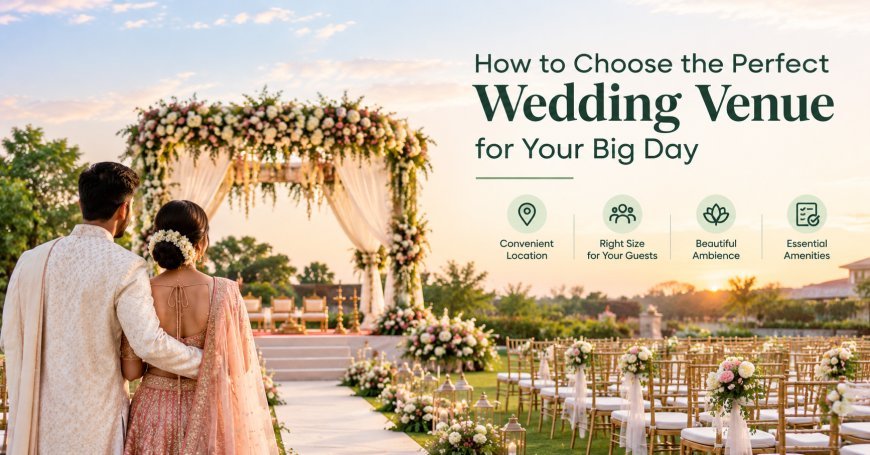
A traditional Indian wedding is a beautiful celebration of love, family, culture, and lifelong commitment. From sacred rituals and vibrant decorations to traditional music and delicious food, every detail contributes to the occasion's significance. Choosing an outdoor setting can make these celebrations even more memorable by combining natural beauty with cultural traditions. Exploring Lawn Wedding Venues in Chennai is an excellent starting point for couples who want an elegant open-air wedding surrounded by greenery, beautiful decorations, and a welcoming atmosphere. With careful planning, you can create a wedding that respects your traditions while offering a comfortable and unforgettable experience for your guests.
1. Choose the Right Outdoor Wedding Venue
Selecting the right venue is the foundation of a successful outdoor wedding. Look for a lawn or garden space that suits your ceremony requirements, guest count, and preferred wedding style.
Consider the venue's location, accessibility, parking facilities, restroom availability, and arrangements for elderly guests. Ensure that there is sufficient space for the wedding mandap, guest seating, dining areas, photography, and entertainment.
For traditional Indian weddings, it is also important to confirm whether the venue accommodates specific religious and cultural ceremonies. Ask about arrangements for the sacred fire, ceremonial decorations, and any restrictions on rituals or cooking equipment.
Visit the property in person before making a booking. This will help you understand the layout, assess the surroundings, and determine whether the venue can support your wedding plans.
2. Select a Traditional Wedding Theme
A traditional Indian wedding offers numerous opportunities to incorporate cultural elements into the overall design. Choose a theme that reflects your family's customs, regional traditions, and personal preferences.
For example, South Indian weddings may feature banana leaves, traditional brass lamps, jasmine flowers, kolam designs, and vibrant silk fabrics. North Indian celebrations may incorporate colourful drapes, marigold garlands, decorative umbrellas, and elaborate floral arrangements.
Coordinate the mandap, entrance decorations, stage, seating, and dining areas to create a consistent appearance. Natural surroundings can complement traditional colours such as red, gold, green, orange, and ivory.
Avoid overcrowding the lawn with too many decorative elements. A thoughtfully designed setting can highlight both the wedding traditions and the natural beauty of the venue.
3. Plan the Wedding Rituals Carefully
Traditional Indian weddings often involve multiple ceremonies, each with its own customs and significance. Depending on the family's traditions, these may include engagement rituals, haldi, mehendi, the main wedding ceremony, and the reception.
Prepare a detailed schedule that includes the timing of each ceremony, the arrival of family members, the priest's requirements, and the arrangements for photography.
Discuss the ritual requirements with your priest and venue coordinator well in advance. Confirm whether the venue provides suitable space, seating, electrical connections, and other facilities needed for the ceremonies.
For outdoor weddings, consider the direction of sunlight and the placement of the mandap. Providing shade and comfortable seating will help guests remain comfortable throughout the ceremony.
4. Prepare for Chennai's Weather Conditions
Weather planning is particularly important when organizing an outdoor wedding in Chennai. Heat, humidity, and seasonal rainfall can affect guest comfort and the smooth execution of wedding ceremonies.
For daytime events, consider shaded seating, cooling arrangements, drinking water stations, and appropriate ventilation. For evening celebrations, arrange sufficient lighting along pathways, entrances, dining areas, and the mandap.
Always ask the venue about a backup plan in case of rain. A covered pavilion, indoor hall, or waterproof marquee can help protect guests and essential wedding arrangements.
Check the weather forecast as the wedding date approaches and coordinate with decorators, caterers, and other vendors about contingency plans. Preparing for changing weather conditions will help you enjoy the celebration with greater peace of mind.
5. Choose Flowers and Decorations That Suit the Setting
Flowers play an important role in traditional Indian wedding decorations. Marigolds, jasmine, roses, and other seasonal flowers can enhance the mandap, entrance, stage, and dining areas.
Combine floral arrangements with traditional lamps, fabric drapes, decorative arches, and carefully selected lighting. Use sturdy structures that can withstand outdoor conditions, especially if the wedding takes place in a breezy location.
Consider the natural surroundings when planning your decorations. Green lawns, mature trees, and landscaped gardens can serve as attractive backdrops, reducing the need for excessive artificial decoration.
Discuss flower availability, installation schedules, and removal arrangements with your decorator. Choosing seasonal flowers and reusable decorative elements can also help manage costs.
6. Arrange Traditional Food and Catering
Food is one of the most anticipated parts of an Indian wedding. The menu should reflect your family's culinary preferences, regional traditions, and the type of ceremony being organized.
For a traditional South Indian wedding, the menu may include a banana-leaf meal with rice, sambar, rasam, vegetable preparations, accompaniments, sweets, and payasam. Other wedding styles may feature regional specialties, live food counters, or a combination of traditional and contemporary dishes.
Confirm whether the venue offers in-house catering or permits external caterers. Discuss guest numbers, food service timings, drinking water, hygiene, and arrangements for children and guests with dietary restrictions.
Outdoor catering requires special attention to food storage and temperature control. Ensure that the catering team has suitable equipment and a practical serving area to maintain food quality throughout the event.
7. Coordinate Wedding Attire and Guest Comfort
Traditional Indian wedding attire adds colour and elegance to an outdoor celebration. Couples may choose silk sarees, lehengas, sherwanis, traditional jewellery, or clothing associated with their cultural customs.
When selecting outfits, consider the time of day, weather, and length of the ceremonies. Lightweight fabrics may be more comfortable for outdoor daytime events, while suitable footwear can help guests move safely across lawns and garden pathways.
Provide clear information about the dress code, parking, venue access, and ceremony timings in your invitations. If the event takes place on a large property, directional signs can help guests find the ceremony and dining areas easily.
Small details such as shaded waiting areas, accessible pathways, and comfortable seating can make a significant difference to the overall guest experience.
8. Capture Memories and Manage Your Budget
Photography and videography preserve the special moments of your wedding. Outdoor venues provide opportunities for natural-light portraits, garden photographs, and beautiful images of traditional ceremonies.
Discuss important rituals and family photographs with your photographer before the event. Create a schedule that allows enough time for photography without interrupting the ceremony or delaying other arrangements.
At the same time, establish a realistic budget covering venue rental, catering, decorations, photography, attire, entertainment, transportation, and contingency expenses.
Request written quotations from vendors and confirm what each package includes. Keep track of payments, deadlines, and responsibilities to avoid last-minute confusion.
Conclusion
Planning a traditional Indian wedding in an outdoor setting involves balancing cultural customs, beautiful decorations, practical arrangements, and guest comfort. By choosing a suitable lawn, coordinating the ceremonies, preparing for Chennai's weather, and organizing food and entertainment carefully, you can create a celebration that reflects your traditions and personal style.
When exploring the Best Wedding Venues Chennai has to offer, compare the location, lawn capacity, available amenities, catering options, weather backup facilities, and flexibility for traditional rituals. The right venue, combined with thoughtful preparation, can transform your wedding into a meaningful celebration filled with happiness, cultural richness, and cherished memories.
What's Your Reaction?
 Like
0
Like
0
 Dislike
0
Dislike
0
 Love
0
Love
0
 Funny
0
Funny
0
 Angry
0
Angry
0
 Sad
0
Sad
0
 Wow
0
Wow
0