




















Affordable Kitchen Upgrades That Make Cooking Easier

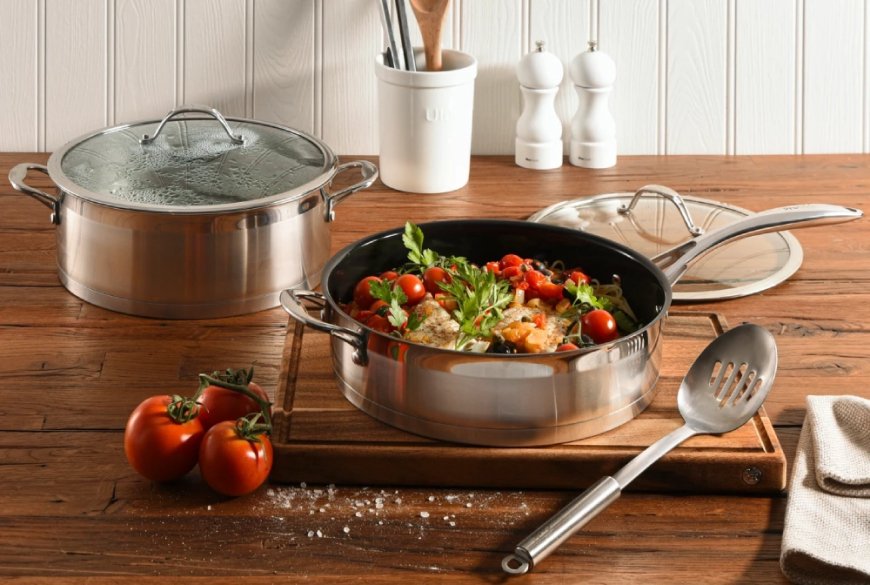
A functional kitchen does not have to come with an expensive renovation or a collection of high-end appliances. Sometimes, a few thoughtful upgrades can make a noticeable difference in how you prepare meals, organize your space, and clean up afterward. Whether you cook every day or prepare meals only a few times a week, investing in practical kitchen essentials can save time and make cooking more enjoyable.
From better cookware and reliable kitchen tools to smarter storage solutions and improved lighting, there are plenty of ways to create a more efficient kitchen without stretching your budget. The key is to focus on products that solve everyday problems rather than buying items simply because they look attractive.
In this guide, we will explore affordable kitchen upgrades that offer practical benefits, help simplify daily cooking, and make better use of your available space.
1. Upgrade Your Cookware for Better Cooking Results
Cookware is one of the most important parts of any kitchen. Old, warped, or poorly made pans can distribute heat unevenly, cause food to stick, and make cooking more frustrating than it needs to be.
You do not have to replace everything at once. Start by identifying the pots and pans you use most frequently. A dependable frying pan, a medium-sized saucepan, and a versatile cooking pot can handle a wide variety of everyday meals.
Stainless steel cookware is a practical choice for sautéing vegetables, browning meat, and preparing sauces. Nonstick pans are particularly convenient for eggs, pancakes, and other delicate foods that benefit from easy release.
When comparing cookware, consider heat distribution, handle comfort, construction quality, cooktop compatibility, and cleaning requirements. A well-chosen pan that you use regularly may provide more value than a large cookware set filled with unnecessary pieces.
If you are considering premium options, a detailed Made In Cookware Review can help you evaluate the brand's product range, construction, and potential value compared with more affordable alternatives.
Budget tip: Replace damaged or frequently used cookware first. You can gradually upgrade the rest of your collection as your budget allows.
2. Add a Quality Chef's Knife
A sharp, comfortable chef's knife can make food preparation faster, easier, and more consistent. Chopping onions, slicing vegetables, mincing herbs, and preparing meat all become more manageable when you have a reliable knife.
Many beginners purchase large knife sets without considering how many knives they actually need. In most home kitchens, a chef's knife and a small paring knife are enough to handle many common tasks.
When shopping for a chef's knife, look for a comfortable grip, balanced weight, and a blade length that feels manageable. An 8-inch chef's knife is a versatile starting point for many home cooks.
Keep the blade sharp using an appropriate sharpening method, wash it according to the manufacturer's instructions, and store it safely. A sharp knife used correctly is generally easier to control than a dull one that requires excessive pressure.
Why it helps: Better cutting tools can reduce preparation time and make everyday cooking feel less demanding.
3. Improve Kitchen Organization With Drawer Dividers
Cluttered drawers can make simple cooking tasks unnecessarily frustrating. Searching for a peeler, measuring spoon, or spatula wastes time and interrupts your workflow.
Drawer dividers offer an affordable way to organize utensils, gadgets, and small kitchen tools. Adjustable versions are particularly useful because they can fit different drawer sizes.
You can also group items according to how you use them. Keep everyday cooking utensils near the stove, measuring tools near your preparation area, and baking accessories together in a separate drawer.
Before buying organizers, measure your drawers and remove items you no longer use. This helps you avoid spending money on storage products that do not fit your space.
A more organized kitchen makes it easier to find what you need and return items to their proper places after cooking.
4. Use Stackable Food Storage Containers
Food storage containers can help reduce waste, simplify meal preparation, and keep refrigerators and cupboards organized.
A matching set of stackable containers makes better use of vertical space than a collection of mismatched tubs and lids. Clear containers also make it easier to identify leftovers and ingredients without opening every lid.
Choose containers suited to your needs, whether you store chopped vegetables, cooked meals, pantry ingredients, or leftovers. Glass containers can be useful for reheating and resisting food odors, while lightweight plastic options may be more convenient for transporting lunches.
Always check whether a container is suitable for the microwave, freezer, dishwasher, or oven before using it for those purposes.
Budget tip: Start with a few containers in different sizes rather than buying a large set with pieces you may never use.
5. Upgrade Your Cutting Board
A suitable cutting board protects your countertops and provides a stable surface for preparing ingredients. If your current board slips, has deep grooves, or is difficult to clean, replacing it can be a worthwhile upgrade.
Plastic cutting boards are lightweight and convenient for many everyday tasks. Wooden boards can offer a durable, attractive preparation surface when maintained correctly.
Consider keeping separate boards for raw meat and ready-to-eat foods to help reduce cross-contamination. Clean and sanitize them appropriately, following food-safety guidance.
A nonslip mat or a damp towel placed underneath a suitable cutting board can help prevent movement during use.
This relatively inexpensive addition can improve both kitchen safety and food preparation.
6. Invest in a Digital Kitchen Scale
A digital kitchen scale is a useful tool for anyone who wants more consistent cooking results. It is particularly helpful for baking, portioning ingredients, preparing coffee, and following recipes that use weight measurements.
Measuring flour by volume, for example, can produce inconsistent results depending on how tightly it is packed. Weighing ingredients makes it easier to repeat a recipe successfully.
You do not need a complicated model. Look for a scale with a clear display, a tare function, and measurement options suitable for your recipes.
The tare function lets you reset the display after placing a bowl on the scale, so you can measure ingredients without including the container's weight.
For a relatively small investment, this tool can improve accuracy and reduce guesswork in the kitchen.
7. Install Better Kitchen Lighting
Good lighting can make food preparation more comfortable and help you see ingredients clearly. Unfortunately, a single overhead light often leaves shadows across countertops, especially when you stand directly in front of the work surface.
Under-cabinet lighting is a practical way to brighten preparation areas without undertaking a major renovation. Battery-powered or rechargeable LED lights can be suitable for renters or homeowners who prefer a simple installation.
Choose lighting that provides enough brightness for chopping, reading recipes, and checking food as it cooks. Neutral or warm-white options can work well, depending on your kitchen's existing lighting.
If you rent your home, look for removable mounting systems that do not require permanent changes to cabinets or walls.
Better lighting is a relatively simple upgrade that can make a kitchen feel more functional and welcoming.
8. Add a Silicone Utensil Set
Cooking utensils experience regular wear, especially when used with different types of cookware. Replacing damaged or unsuitable tools can help make cooking easier and protect your pans.
Silicone spatulas, turners, and spoons are useful for stirring sauces, scraping bowls, folding ingredients, and handling many everyday recipes. They can also be a suitable option for cookware with nonstick coatings when the manufacturer permits their use.
Before purchasing a set, check the temperature rating and cleaning instructions. Not every silicone utensil is designed for prolonged contact with high heat.
You may only need a few essentials: a spatula, a slotted turner, a ladle, and a pair of tongs. Choosing versatile tools instead of a large collection of specialized gadgets can keep costs down.
9. Make Your Pantry Easier to Navigate
An organized pantry helps you find ingredients quickly, monitor what you already own, and avoid buying duplicate products.
You do not need expensive matching jars to create a more functional storage system. Start by grouping similar items together, such as grains, pasta, baking supplies, spices, and canned foods.
Use clear containers for frequently accessed dry ingredients if they fit your budget. Labels can identify contents and expiration or best-before information where appropriate.
Place frequently used ingredients at eye level and reserve higher shelves for items you use less often. Keep heavier containers on lower shelves for easier handling.
A simple inventory list can also help you plan meals around ingredients you already have, reducing unnecessary grocery spending.
10. Use a Kitchen Faucet Aerator
If your kitchen faucet produces an inconveniently strong or splashy stream, a compatible faucet aerator may improve everyday usability.
Aerators mix air into the water stream and can help reduce splashing. Some models are also designed to reduce water flow, although the actual savings depend on the product and how you use your faucet.
Before purchasing one, check the faucet's thread type and size. Not every aerator fits every faucet, and some faucets have integrated aerators that require a different approach.
Choose a model that provides sufficient flow for rinsing dishes and washing produce. A low-flow design is not necessarily useful if it makes everyday tasks more difficult.
This is a small upgrade that may improve convenience while helping manage water use.
11. Create a Dedicated Meal Preparation Area
A well-organized preparation area can make cooking more efficient, even in a small kitchen.
Choose a section of countertop where you can comfortably chop ingredients, measure seasonings, and arrange the items needed for a recipe. Keep a cutting board, knife, mixing bowl, and a small container for food scraps nearby.
If countertop space is limited, consider a sturdy cutting board designed to fit over a compatible sink or a rolling cart that can provide additional workspace when needed.
Avoid placing appliances and decorative objects on every available surface. Keeping the preparation area clear gives you more room to work and makes cleaning easier.
The goal is to reduce unnecessary movement between tasks, particularly when preparing meals with several ingredients.
12. Upgrade Your Measuring Tools
Accurate measurements help make recipes more repeatable, especially when baking or preparing dishes that depend on specific ingredient ratios.
A basic set of measuring cups and spoons can handle many household recipes. Look for clearly marked measurements, comfortable handles, and materials that are easy to clean.
It is useful to understand the difference between measuring dry ingredients and measuring liquids. Liquid measuring jugs typically include space above the measurement marks, making them easier to fill without spilling.
If you frequently follow recipes from different countries, a measuring jug with both metric and imperial markings may be helpful.
Choose a small, durable set rather than buying several overlapping collections.
13. Add a Splatter Screen for Cleaner Cooking
Frying foods can leave oil droplets across the stovetop and nearby surfaces. A splatter screen provides a simple way to reduce mess while allowing steam to escape.
This tool can be particularly useful when frying bacon, searing certain foods, or cooking ingredients that release moisture into hot oil.
Choose a screen that fits the pans you use most often and has a handle that stays comfortable to hold. A model with a fine mesh may help control splashes while maintaining visibility.
A splatter screen will not eliminate all mess, and it should not be used as an airtight lid. Follow its instructions and keep it away from flames or excessive heat unless specifically designed for that use.
For many home cooks, it is a small convenience that can make cleanup less time-consuming.
14. Choose a Compact Electric Kettle
An electric kettle is a useful appliance for kitchens where hot water is needed frequently. It can speed up the process of preparing tea, coffee, instant oatmeal, and other recipes that require boiling water.
If you already own a kettle, consider whether its capacity and performance meet your needs before replacing it. A smaller model may suit an individual or couple, while a larger capacity can be more practical for families.
Look for automatic shutoff, boil-dry protection, a stable base, and a design that is easy to clean. Variable temperature controls may be worthwhile if you regularly prepare different types of tea or coffee, but they are not essential for everyone.
Choose an appliance based on how often you will use it rather than the number of features it offers.
15. Keep Cleaning Supplies Within Reach
A kitchen is easier to maintain when basic cleaning supplies are accessible. Waiting until the end of a meal to deal with every spill can allow food residue to dry and become more difficult to remove.
Keep dish soap, a suitable scrubber, microfiber cloths, and a small waste container near your usual cleaning area. Store products safely away from food and where children cannot access them.
Use nonabrasive tools for cookware surfaces that can scratch, and follow the manufacturer's instructions for cleaning appliances and pans.
It can also help to clean as you cook. Washing a few utensils while food simmers or wiping the countertop between tasks can reduce the amount of work left after eating.
An efficient cleaning routine helps preserve kitchen equipment and keeps your workspace ready for the next meal.
How to Prioritize Kitchen Upgrades on a Budget
With so many possible improvements, deciding where to spend your money can be difficult. The best approach is to prioritize upgrades based on how often you cook and which problems you encounter most frequently.
Here is a simple way to plan your spending:
| Budget priority | Suggested upgrade | Main benefit |
|---|---|---|
| First | A reliable frying pan | Easier everyday cooking |
| First | A quality chef's knife | Faster food preparation |
| First | A suitable cutting board | A stable preparation surface |
| Next | Drawer dividers | Better organization |
| Next | Food storage containers | Easier meal preparation |
| Next | Digital kitchen scale | More consistent measurements |
| Later | Under-cabinet lighting | Improved countertop visibility |
| Later | Premium cookware | Potential performance and durability benefits |
The order will vary depending on your existing kitchen equipment. If your cookware is already in good condition, for example, investing in better lighting or storage may provide more immediate value.
Before purchasing anything, compare prices, read recent product reviews, and check warranty terms where applicable. Also consider the cost of replacement parts and maintenance over time.
Final Thoughts
Affordable kitchen upgrades can make a meaningful difference without requiring a complete renovation. From replacing an unreliable frying pan to organizing drawers, improving lighting, and investing in better preparation tools, small improvements can help make everyday cooking more convenient.
Start with the problems that slow you down most often. If food sticks to your pans, consider upgrading your cookware. If preparation takes too long, a reliable knife and organized workspace may be more useful. If your kitchen feels cluttered, focus on storage and organization before buying additional equipment.
The most valuable kitchen upgrades are not necessarily the most expensive ones. They are the products and practical changes that suit your cooking habits, fit your available space, and make everyday tasks easier.
By upgrading gradually and choosing quality where it matters, you can create a more efficient kitchen while keeping your spending under control.
What's Your Reaction?
 Like
0
Like
0
 Dislike
0
Dislike
0
 Love
0
Love
0
 Funny
0
Funny
0
 Angry
0
Angry
0
 Sad
0
Sad
0
 Wow
0
Wow
0








