



























EPC Contractors Assam for Power Transmission Projects Guide

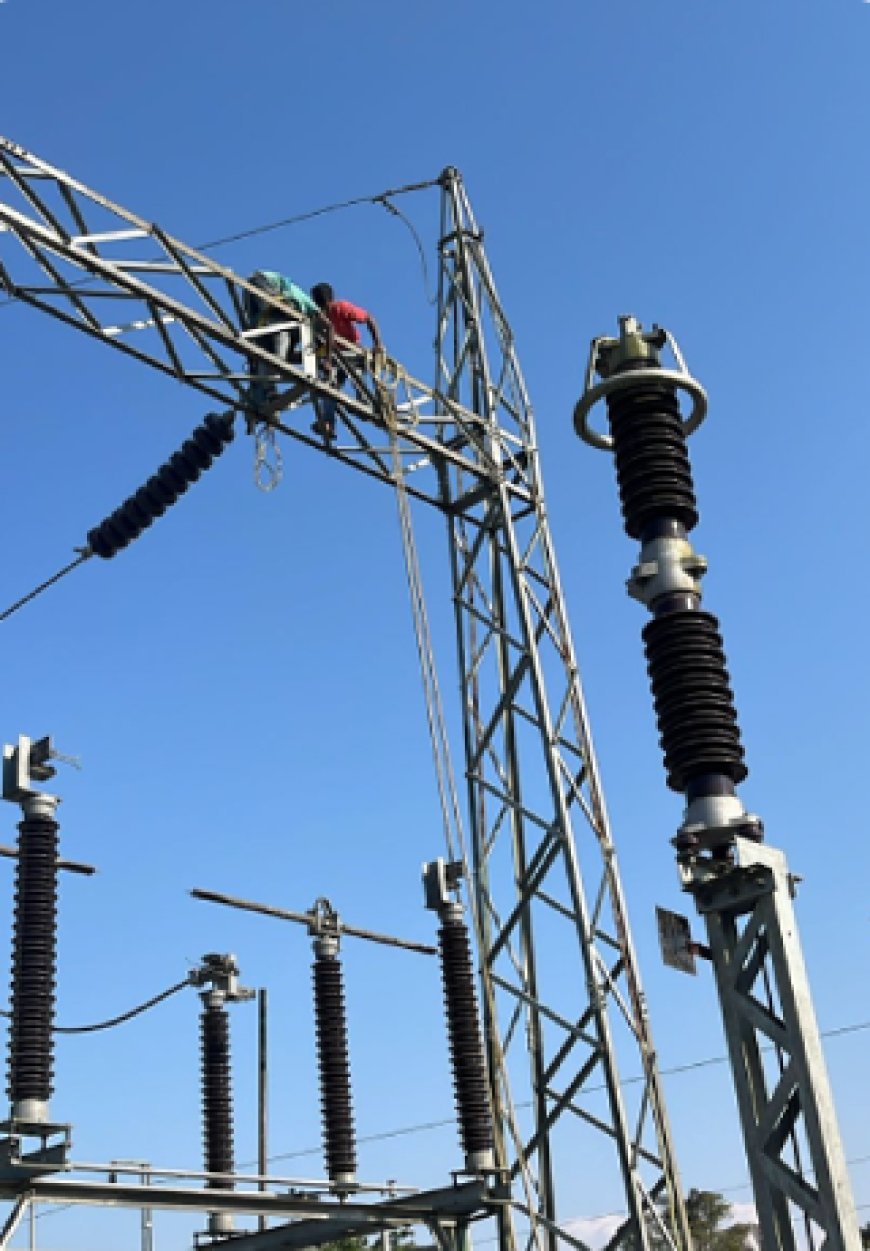
Power transmission infrastructure plays a vital role in delivering electricity from generating stations to homes, businesses, industries, and essential public services. As Assam continues to develop its industrial facilities, urban areas, and rural infrastructure, reliable transmission systems remain important for supporting electricity demand and regional growth.
Developing these systems requires careful planning, engineering expertise, quality materials, and coordinated project execution. This is where Engineering, Procurement, and Construction (EPC) contractors become essential. They help manage multiple stages of a power transmission project, from initial engineering and material procurement to construction, testing, and commissioning.
For organisations planning electrical infrastructure projects, understanding the role of EPC Contractors Assam can make it easier to evaluate service providers, establish realistic timelines, and maintain quality and safety throughout the project.
What Are EPC Contractors in Power Transmission Projects?
EPC contractors are companies responsible for coordinating the engineering, procurement, and construction activities required to deliver a project. In power transmission, their work may include transmission line engineering, tower installation, electrical equipment procurement, substation construction, and system testing.
Depending on the contract, an EPC contractor may manage the entire project or deliver specific packages of work. The exact responsibilities, technical requirements, and performance obligations are defined in the project agreement.
A typical EPC arrangement includes three major stages:
-
Engineering: Preparing technical designs, route surveys, structural calculations, electrical layouts, and construction drawings.
-
Procurement: Sourcing approved materials, electrical equipment, tower components, conductors, insulators, and other essential supplies.
-
Construction: Executing civil and electrical works, installing equipment, conducting inspections, and supporting commissioning.
By coordinating these activities through a structured approach, EPC contractors help project owners manage interfaces between engineering teams, suppliers, construction crews, and other stakeholders.
Why Power Transmission Infrastructure Matters in Assam
Assam's geography, rainfall patterns, river systems, and varied terrain create specific considerations for electrical infrastructure development. Projects may involve urban corridors, agricultural land, forest-adjacent areas, river crossings, and locations with limited road access.
Reliable transmission infrastructure supports several important objectives:
-
Connecting electricity generation sources with distribution networks.
-
Improving the capacity to transfer power between substations.
-
Supporting industrial development and commercial expansion.
-
Strengthening electricity access in growing towns and rural areas.
-
Enabling grid upgrades and the integration of additional generation capacity.
For these reasons, choosing experienced EPC contractors in Assam requires more than comparing project prices. Clients should consider technical capability, local site conditions, safety procedures, resource planning, and compliance with applicable electricity regulations.
Key Services Offered by Power Transmission EPC Contractors
Power transmission projects involve multiple interconnected activities. Understanding the scope of services helps project owners identify contractors whose capabilities match their requirements.
1. Transmission Line Engineering and Construction
Transmission lines carry electricity between substations and other points in the power grid. Their construction requires accurate route planning, structural design, suitable conductor selection, and careful installation.
Typical activities include:
-
Route surveys and alignment planning.
-
Tower spotting and foundation design.
-
Tower fabrication coordination and erection.
-
Conductor stringing and installation of earth wires.
-
Installation of insulators, fittings, and associated hardware.
-
Inspection and electrical clearance verification.
The appropriate design depends on the required voltage level, terrain, environmental conditions, statutory clearances, and the technical specifications issued by the project owner.
2. Substation Construction and Upgrades
Substations allow electrical power to be transformed, switched, controlled, and protected. They are essential connection points within transmission networks.
Depending on the project scope, EPC services may cover:
-
Site preparation and civil foundations.
-
Transformer installation.
-
Circuit breakers, isolators, and busbar systems.
-
Current and voltage transformers.
-
Protection and control panels.
-
Earthing and lightning protection systems.
-
Control rooms, cabling, and auxiliary power systems.
Substation work requires close coordination between civil, structural, electrical, instrumentation, and protection engineering teams. Equipment must be installed and tested according to approved drawings and manufacturer requirements.
3. Procurement of Electrical and Structural Materials
Material quality directly affects the reliability and service life of transmission infrastructure. EPC contractors coordinate procurement to ensure that materials meet project specifications and arrive according to the construction schedule.
Common materials include transmission towers, steel structures, conductors, insulators, power transformers, switchgear, cables, and protective equipment.
A reliable procurement process should include:
-
Technical specification reviews.
-
Supplier qualification and approval.
-
Inspection and testing requirements.
-
Verification of material certificates.
-
Delivery scheduling and inventory control.
-
Traceability of critical components.
Material substitutions should never be made without the necessary technical review and formal approval.
4. Testing, Commissioning, and Handover
Construction is not complete simply because equipment has been installed. Before a transmission system enters service, the relevant components must undergo appropriate inspections and testing.
Depending on the equipment and project requirements, these checks may include insulation testing, transformer testing, protection relay verification, circuit breaker operation, earthing measurements, and control system checks.
Commissioning confirms that the installed system performs in accordance with approved requirements and is ready for energisation, subject to the necessary authorisations.
Proper documentation is equally important. Test reports, approved drawings, equipment records, inspection reports, and operating information help the owner manage the infrastructure after handover.
Important Challenges in Assam's Power Transmission Projects
Understanding local conditions helps contractors prepare practical construction plans and reduce avoidable delays.
Weather and Monsoon Conditions
Heavy rainfall can affect foundation excavation, concrete work, material transportation, and access to construction sites. Contractors should account for seasonal weather when planning activities, particularly foundation construction and heavy equipment movement.
Drainage arrangements, erosion control, suitable access routes, and realistic scheduling can help reduce weather-related disruptions.
Terrain and Site Accessibility
Some project locations may have uneven ground, limited road connectivity, or difficult river and drainage crossings. These conditions can influence equipment selection, material transportation, tower erection methods, and workforce deployment.
Early site reconnaissance and route surveys help identify constraints before major construction activities begin.
Land Access and Right-of-Way
Transmission lines require appropriate access along approved routes. Land ownership, crop damage, vegetation management, and right-of-way requirements can affect project schedules.
Contractors and project owners should coordinate with the relevant authorities and affected stakeholders, follow applicable legal procedures, and maintain clear records of permissions and agreements.
Safety and Regulatory Compliance
Transmission infrastructure involves high electrical voltages, heavy lifting, work at height, and potentially hazardous site conditions.
A comprehensive safety programme should include risk assessments, worker training, appropriate personal protective equipment, lifting plans, electrical isolation procedures, and emergency response arrangements.
Projects must also comply with applicable technical standards, electrical safety requirements, environmental conditions, and approvals from the relevant authorities.
How to Choose the Right EPC Contractor in Assam
Selecting the right contractor can influence construction quality, project delivery, and long-term operational reliability. Project owners should assess technical capability and delivery processes rather than relying on price alone.
Evaluate Relevant Project Experience
Ask prospective contractors about their experience with comparable transmission lines, substations, voltage levels, and construction environments. Request verifiable project references and clarify whether the work was completed directly or through subcontractors.
Experience with similar terrain and site conditions can also be valuable.
Review Engineering and Project Management Capabilities
A capable EPC contractor should have a clear approach to design coordination, procurement planning, construction supervision, quality control, and schedule management.
Check whether the proposed team can manage technical documentation, site reporting, material approvals, and communication between different project stakeholders.
Check Quality Assurance Procedures
Ask how materials are inspected, how construction work is documented, and how non-conforming work is identified and corrected.
A documented quality assurance and quality control process helps ensure that installation activities follow approved drawings, specifications, and inspection plans.
Understand the Contract and Project Timeline
Before signing an agreement, confirm the project scope, deliverables, payment milestones, completion schedule, testing requirements, warranty provisions, and responsibilities for approvals.
The contract should also explain how variations, delays, unforeseen site conditions, and additional work will be managed.
Compare Total Project Value
The lowest initial quotation may not represent the best overall value. Incomplete scope definitions, inadequate material specifications, or unrealistic schedules can create additional costs later.
Compare quotations on a like-for-like basis, including equipment specifications, construction activities, testing, documentation, and post-completion responsibilities.
How Krishna Urja Constructions LLP Fits into the EPC Landscape
When evaluating power transmission infrastructure providers, project owners should look for organisations whose capabilities align with the technical scope and delivery requirements of their projects.
Krishna Urja Constructions LLP is a relevant name for consideration when exploring EPC construction options for power infrastructure. Before appointing the company for a particular project, prospective clients should verify its current service portfolio, applicable licences and registrations, technical team, relevant project experience, and ability to meet the proposed contract requirements.
A structured evaluation helps establish whether a contractor is suitable for transmission line construction, substation development, associated civil works, or a broader turnkey assignment.
For project owners, the priority should be a clear scope of work, transparent communication, documented quality procedures, and a practical approach to safety and scheduling. These factors provide a stronger basis for a successful working relationship than promotional claims alone.
The Role of Technology in Modern Transmission Projects
Technology is helping improve planning, coordination, and monitoring across electrical infrastructure projects.
Depending on project needs, contractors may use digital surveying tools, geographic information systems (GIS), computer-aided design, project scheduling software, and digital inspection records.
These tools can support:
-
More accurate route and site planning.
-
Better coordination between design and construction teams.
-
Tracking of procurement and material deliveries.
-
Identification of construction delays and design changes.
-
Improved documentation and progress reporting.
Digital systems do not replace engineering judgement or field inspections. Their value comes from helping project teams make better-informed decisions and maintain accurate project records.
Frequently Asked Questions
1. What do EPC contractors in Assam do?
EPC contractors coordinate engineering, procurement, and construction activities for infrastructure projects. In power transmission, their work may include transmission line construction, substation installation, material procurement, testing, and commissioning, depending on the agreed scope.
2. What should I check before hiring a power transmission EPC contractor?
Review relevant project experience, engineering capabilities, safety procedures, quality assurance systems, regulatory compliance, financial and resource capacity, and client references. Also confirm the scope, timeline, testing requirements, and contractual responsibilities in writing.
3. What is included in a power transmission EPC project?
A project may include route surveys, engineering design, tower foundations and erection, conductor stringing, substation equipment installation, electrical testing, commissioning, and documentation. The exact deliverables depend on the contract and technical specifications.
4. How do weather conditions affect transmission projects in Assam?
Heavy rainfall and monsoon conditions can delay excavation, foundation work, transportation, and tower erection. Effective seasonal planning, site drainage, suitable access arrangements, and realistic construction schedules help manage these challenges.
5. Why is commissioning important in power transmission projects?
Commissioning verifies that installed equipment and systems operate according to approved technical requirements. It includes relevant inspections, electrical tests, protection checks, and documentation before the system is authorised for energisation and operation.
Conclusion
Power transmission projects require coordinated engineering, reliable materials, disciplined construction practices, and careful attention to safety and regulatory requirements. In Assam, local terrain, monsoon conditions, site access, and right-of-way considerations make thorough planning particularly important.
When comparing EPC Contractors Assam, project owners should prioritise verified experience, technical capability, quality management, transparent contracts, and dependable project coordination. Krishna Urja Constructions LLP can be considered as part of this evaluation, with its suitability confirmed against the specific project's requirements, credentials, and demonstrated capabilities.
What's Your Reaction?
 Like
0
Like
0
 Dislike
0
Dislike
0
 Love
0
Love
0
 Funny
0
Funny
0
 Angry
0
Angry
0
 Sad
0
Sad
0
 Wow
0
Wow
0