
























Kala Motia Specialist in Delhi: Diagnosis and Treatment

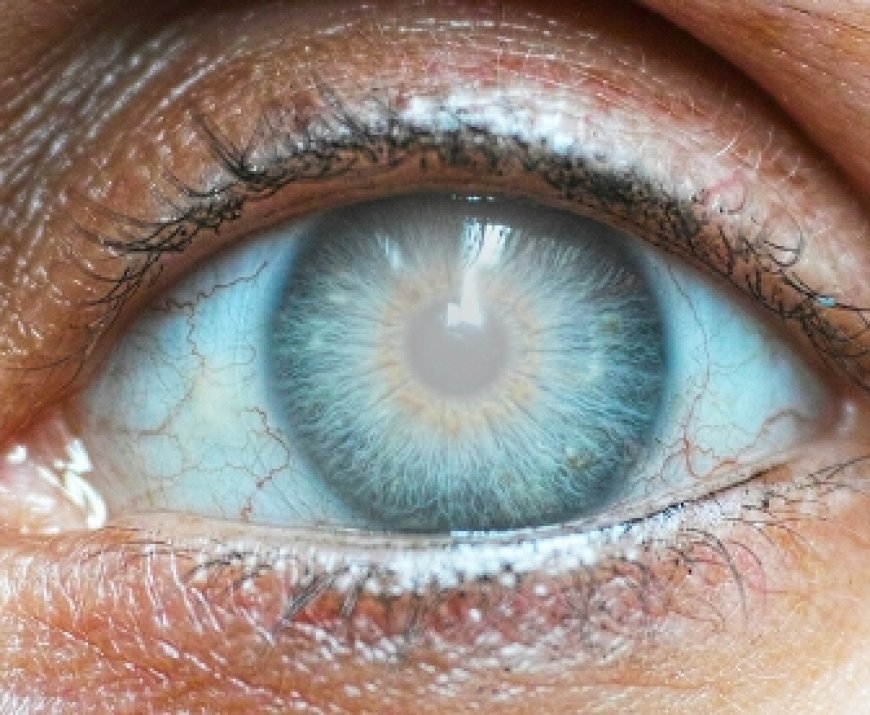
Kala motia, commonly known as glaucoma, is a group of eye conditions that can damage the optic nerve and gradually affect vision. One of its biggest challenges is that it may develop without noticeable symptoms during the early stages. By the time a person experiences changes in eyesight, some vision loss may already have occurred.
Early diagnosis and regular eye examinations are essential for protecting long-term vision. For people looking for a kala motia specialist in delhi, understanding the warning signs, diagnostic tests, and available treatment options can help them make informed decisions about their eye health.
Glaucoma requires careful medical evaluation because its progression varies from person to person. With appropriate monitoring and treatment, many patients can manage the condition and reduce the risk of further damage.
What Is Kala Motia (Glaucoma)?
Kala motia is the commonly used Hindi term for glaucoma, a condition in which damage to the optic nerve can lead to permanent vision loss. The optic nerve carries visual information from the eye to the brain, making it essential for sight.
Glaucoma is often associated with increased intraocular pressure, or pressure inside the eye. This pressure can rise when the fluid inside the eye does not drain properly. However, glaucoma can also develop in people whose eye pressure falls within the normal range.
Unlike cataracts, which cloud the eye's natural lens, glaucoma primarily affects the optic nerve. Vision loss caused by glaucoma cannot generally be reversed, but timely treatment can help slow or prevent additional damage.
Why Is Early Detection Important?
In the early stages, glaucoma may not cause pain, redness, or noticeable changes in eyesight. Peripheral vision, which allows people to see objects outside their direct line of sight, is often affected first.
As the condition progresses, a person may experience difficulty noticing objects to the side, navigating unfamiliar places, or seeing clearly in certain situations.
Regular eye examinations are particularly important for people with risk factors such as:
-
Increasing age, particularly after 40.
-
A family history of glaucoma.
-
Elevated eye pressure.
-
Certain medical conditions, including diabetes.
-
Previous eye injuries or some eye surgeries.
-
Long-term use of corticosteroid medicines, including certain eye drops.
Having one or more risk factors does not automatically mean someone has glaucoma. An eye specialist can assess individual risk and recommend suitable examinations.
Common Symptoms of Kala Motia
The symptoms of glaucoma depend on its type and stage. Open-angle glaucoma, one of the most common forms, usually develops slowly and may remain unnoticed for years.
Possible symptoms of advanced glaucoma include:
-
Gradual loss of peripheral vision.
-
Difficulty noticing objects approaching from the side.
-
Increasing problems with everyday visual tasks.
-
Reduced vision as optic nerve damage progresses.
Some forms of glaucoma develop suddenly and require emergency treatment.
When Should You Seek Immediate Eye Care?
Acute angle-closure glaucoma can cause a rapid increase in eye pressure. Symptoms may include:
-
Severe eye pain.
-
Sudden blurred vision.
-
Redness of the eye.
-
Halos or rainbow-coloured rings around lights.
-
Headache, nausea, or vomiting.
These symptoms require immediate medical attention. Do not wait for a routine appointment if they occur, as delayed treatment can result in permanent vision damage.
How Is Glaucoma Diagnosed?
A kala motia specialist in Delhi typically evaluates eye pressure, optic nerve health, visual fields, and the drainage angle of the eye. No single test can reliably diagnose every type of glaucoma, so a combination of examinations may be necessary.
1. Eye Pressure Measurement
Tonometry measures intraocular pressure. It helps identify elevated pressure, which is an important risk factor for glaucoma.
However, normal eye pressure does not rule out the condition. The results must be interpreted alongside other findings.
2. Optic Nerve Examination
The specialist examines the optic nerve, often after dilating the pupils when appropriate. Changes in the appearance of the optic nerve may indicate glaucoma-related damage.
Optical coherence tomography (OCT) can also create detailed images of the retinal nerve fibre layer and other structures. These measurements help identify and monitor changes over time.
3. Visual Field Testing
A visual field test assesses how well a person can see objects in different areas of their field of vision. It can help identify peripheral vision loss that might otherwise go unnoticed.
Repeating this test during follow-up appointments helps doctors assess whether the condition is stable or progressing.
4. Drainage Angle Assessment
A test called gonioscopy allows the specialist to examine the drainage angle inside the eye. This helps distinguish between open-angle and angle-closure glaucoma, which may require different treatment approaches.
5. Corneal Thickness Measurement
Pachymetry measures the thickness of the cornea, the clear front surface of the eye. Corneal thickness can influence eye pressure readings and help doctors interpret results more accurately.
Together, these tests provide a clearer picture of the patient's eye health and help guide an appropriate treatment plan.
Treatment Options for Kala Motia
Glaucoma treatment aims to lower eye pressure when appropriate, protect the remaining optic nerve function, and reduce the risk of further vision loss. The choice of treatment depends on the type of glaucoma, its severity, the patient's overall eye health, and how well the condition responds to initial management.
1. Prescription Eye Drops
Eye drops are commonly used as an initial treatment for many patients with glaucoma. Depending on the medicine, they may reduce the production of fluid inside the eye or improve its drainage.
Patients should follow their prescribed schedule and attend follow-up appointments. Stopping treatment without consulting the eye specialist can allow pressure to rise and increase the risk of additional damage.
If eye drops cause irritation or are difficult to use consistently, discuss these problems with the prescribing doctor rather than changing the treatment independently.
2. Laser Treatment
Laser procedures may be recommended for certain types of glaucoma.
Examples include selective laser trabeculoplasty (SLT), which helps improve fluid drainage in suitable cases of open-angle glaucoma, and laser peripheral iridotomy, which creates a small opening in the iris to help prevent or treat specific forms of angle closure.
Laser treatment is not appropriate for every patient. The specialist will recommend a procedure based on the diagnosis and the condition of the eye.
3. Glaucoma Surgery
Surgery may be considered when medicines and laser procedures do not provide adequate pressure control or when the risk of further damage makes a surgical approach appropriate.
Procedures such as trabeculectomy, glaucoma drainage device implantation, and selected minimally invasive glaucoma surgeries aim to improve fluid drainage or reduce eye pressure.
The potential benefits, risks, recovery requirements, and expected follow-up care should be discussed before the procedure.
It is important to understand that glaucoma treatment generally protects existing vision rather than restoring vision already lost to optic nerve damage.
How to Choose a Kala Motia Specialist in Delhi
Choosing an appropriate eye specialist is an important step in managing glaucoma. Patients should look for a clinician who can evaluate the condition thoroughly, explain the findings clearly, and provide ongoing monitoring.
Consider the following factors when arranging an eye examination:
-
Experience in glaucoma care: Look for an ophthalmologist with relevant expertise in diagnosing and managing glaucoma.
-
Access to diagnostic tests: Comprehensive assessment may require eye pressure measurement, optic nerve imaging, visual field analysis, and drainage angle evaluation.
-
Clear treatment explanations: The doctor should explain the diagnosis, available options, potential risks, and follow-up schedule.
-
Long-term monitoring: Glaucoma often requires regular examinations, even when symptoms are absent.
-
Convenient follow-up: Consistent monitoring is easier when appointments and prescribed treatment can be maintained.
Patients seeking glaucoma evaluation in Delhi may consider consulting Dr Shikha Gupta to discuss their symptoms, risk factors, and appropriate eye examinations. The choice of specialist should be based on individual clinical needs and the evaluation available.
Living With Glaucoma: Practical Tips for Patients
Glaucoma management does not end after the first appointment. Long-term monitoring and consistent treatment are essential because the condition may progress even when a person feels that their vision is normal.
Patients can take several practical steps to support their eye care:
-
Use prescribed medicines consistently. Follow the instructions provided by the treating doctor.
-
Attend scheduled check-ups. Eye pressure measurements alone may not reveal whether glaucoma is progressing, so other tests may also be needed.
-
Keep a record of treatment. Note the medicines being used, any side effects, and the dates of previous examinations.
-
Inform the doctor about other medicines. Some medications, including corticosteroids, may affect eye pressure or glaucoma risk.
-
Tell close relatives about a diagnosis. Glaucoma can run in families, so relatives may benefit from discussing appropriate screening with an eye care professional.
A healthy lifestyle supports general well-being, but diet, exercise, and supplements should not be considered substitutes for prescribed glaucoma treatment.
Frequently Asked Questions
1. Can kala motia be cured completely?
Glaucoma-related optic nerve damage is generally irreversible. However, appropriate treatment can often slow or prevent further damage and help preserve the vision that remains.
2. Can glaucoma develop without symptoms?
Yes. Open-angle glaucoma often develops gradually without noticeable symptoms in its early stages. Regular comprehensive eye examinations are important, especially for people with risk factors.
3. Is surgery always necessary for kala motia?
No. Many patients initially manage glaucoma with prescription eye drops, while some may benefit from laser treatment. Surgery is considered when clinically appropriate, depending on the type and severity of the condition and its response to other treatments.
4. How often should someone with glaucoma have an eye examination?
The recommended interval depends on disease severity, eye pressure, treatment response, and the risk of progression. Some patients need more frequent visits than others. The treating ophthalmologist should establish an individual follow-up schedule.
5. Is glaucoma the same as cataracts?
No. Glaucoma damages the optic nerve, while cataracts cause clouding of the eye's natural lens. Both can affect vision, but their causes, diagnosis, and treatment differ.
Conclusion
Kala motia is a serious eye condition that can cause permanent vision loss if it is not detected and managed appropriately. Because early glaucoma may not produce noticeable symptoms, regular eye examinations and timely diagnosis are essential, particularly for people with a family history or other risk factors.
Treatment may involve prescription eye drops, laser procedures, or surgery, depending on the patient's condition. Consistent follow-up also helps the specialist monitor changes and adjust treatment when necessary.
For individuals seeking guidance on glaucoma diagnosis and management, consulting an appropriate eye care professional such as Dr Shikha Gupta can be a useful step towards understanding their eye health and planning suitable care. Early evaluation and ongoing monitoring remain key to protecting vision over the long term.
What's Your Reaction?
 Like
0
Like
0
 Dislike
0
Dislike
0
 Love
0
Love
0
 Funny
0
Funny
0
 Angry
0
Angry
0
 Sad
0
Sad
0
 Wow
0
Wow
0