



























Painless Colonoscopy Hospital in Guwahati: Procedure Detailspainless colonoscopy hospital in guwahati

A colonoscopy is an important medical procedure that helps doctors examine the inside of the large intestine and rectum. It is commonly recommended to investigate digestive symptoms, identify abnormalities, screen for colorectal cancer, and evaluate conditions such as intestinal inflammation. Although many people feel anxious about the procedure, modern sedation techniques can make the experience more comfortable for suitable patients.
Choosing a painless colonoscopy hospital in guwahati can help patients understand their options for comfort, preparation, examination, and recovery. Knowing what happens before, during, and after a colonoscopy can reduce uncertainty and help patients make informed decisions about their digestive health.
What Is a Colonoscopy?
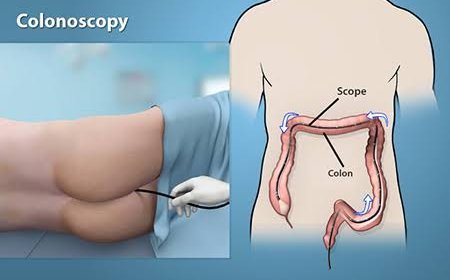
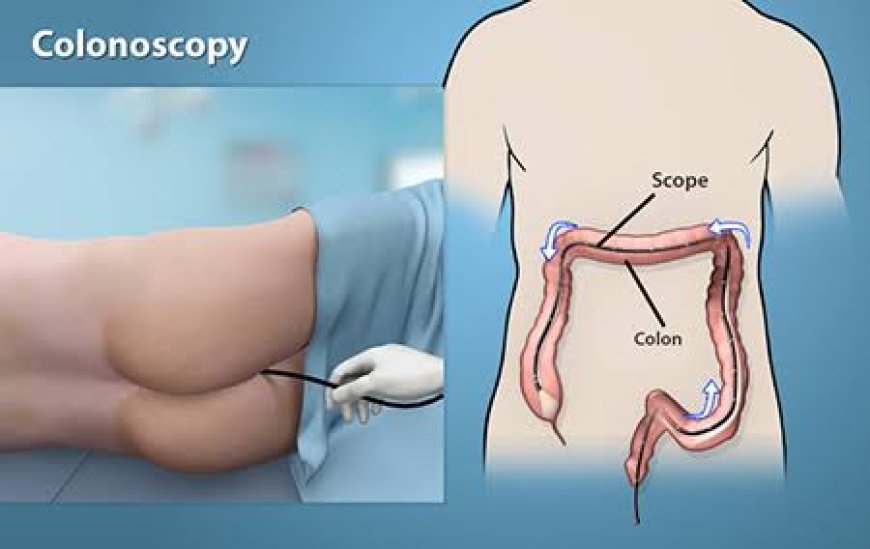
A colonoscopy is a diagnostic procedure in which a doctor uses a thin, flexible instrument called a colonoscope to examine the lining of the colon and rectum. The instrument has a small camera and light that allow the doctor to view the intestinal lining on a screen.
A colonoscopy may be recommended to investigate persistent digestive symptoms or screen for colorectal cancer, depending on a person's age, medical history, and risk factors. During the procedure, doctors can also collect tissue samples for laboratory examination or remove certain polyps when appropriate.
Unlike some imaging tests, colonoscopy allows direct examination of the intestinal lining and may enable treatment of specific abnormalities during the same procedure.
What Does a Painless Colonoscopy Mean?
A painless colonoscopy generally refers to a colonoscopy performed with sedation or anaesthesia intended to minimise discomfort and anxiety. Depending on the patient's condition, available facilities, and the doctor's assessment, medication may help the patient feel relaxed or remain asleep during the examination.
It is important to understand that the term "painless" does not guarantee a completely discomfort-free experience for everyone. Some patients may experience temporary bloating, pressure, or abdominal cramps, particularly after the procedure.
How Does Sedation Help?
Sedation can reduce anxiety and awareness of discomfort during a colonoscopy. The type and depth of sedation depend on the patient's health, the complexity of the procedure, and the clinical team's assessment.
Before the examination, the healthcare team should explain the available options, their benefits and risks, and any monitoring required. Patients should disclose their medical conditions, allergies, current medications, and previous reactions to sedation or anaesthesia.
Why Might a Doctor Recommend a Colonoscopy?
A colonoscopy may be recommended for several diagnostic and preventive reasons. The decision depends on the symptoms, clinical findings, and individual risk factors.
Common reasons include:
-
Persistent changes in bowel habits: Ongoing diarrhoea, constipation, or unexplained changes in stool patterns may require investigation.
-
Blood in the stool: A doctor may recommend colonoscopy to identify the source of gastrointestinal bleeding.
-
Unexplained iron-deficiency anaemia: In selected patients, the examination can help investigate possible blood loss from the digestive tract.
-
Persistent abdominal discomfort: Certain types of ongoing abdominal pain may require further evaluation.
-
Colorectal cancer screening: Colonoscopy can help detect precancerous polyps and colorectal cancer.
-
Follow-up of previous findings: Patients with a history of intestinal polyps, inflammatory bowel disease, or other relevant conditions may need monitoring.
Not every digestive symptom requires a colonoscopy. A qualified doctor determines whether the procedure is appropriate after reviewing the patient's history and clinical presentation.
How to Prepare for a Colonoscopy
Proper preparation is essential because the doctor needs a clear view of the intestinal lining. If stool remains inside the colon, small polyps and other abnormalities may be difficult to identify.
1. Follow the Recommended Diet
Patients are often asked to follow specific dietary instructions for a short period before the procedure. These instructions may include avoiding high-fibre foods and switching to clear liquids during the designated preparation period.
The exact diet and timing vary according to the hospital's protocol and the patient's medical circumstances. Always follow the instructions provided by the treating team.
2. Take the Prescribed Bowel Preparation
Bowel preparation usually involves taking a prescribed laxative solution that empties the colon. It commonly causes frequent bowel movements, so patients should remain near a toilet while completing the preparation.
Follow the prescribed dose and schedule carefully. Do not change the preparation or take additional laxatives without medical guidance.
3. Discuss Medications and Existing Conditions
Inform the doctor about all medicines and supplements you take, especially blood thinners, diabetes medications, iron supplements, and medicines that affect kidney or heart function.
Do not stop prescribed medication independently. The healthcare team can advise whether any changes are necessary.
4. Arrange Transport if Sedation Is Planned
Sedation can affect alertness, coordination, and judgement after the procedure. Patients receiving sedation generally need a responsible adult to accompany them home and should not drive until the medical team confirms it is safe, following the discharge instructions.
What Happens During a Painless Colonoscopy?
The procedure usually takes around 20 to 45 minutes, although the duration can vary depending on the findings and whether additional interventions are needed. Preparation, recovery, and observation mean that patients should expect to spend longer at the facility.
Step 1: Initial Assessment
The healthcare team reviews the patient's medical history, current medications, allergies, and preparation results. Vital signs are checked, and the team explains the procedure and planned sedation.
Patients should use this opportunity to ask questions about comfort, monitoring, and possible risks.
Step 2: Sedation and Monitoring
If sedation is appropriate, medication is administered according to the planned approach. The healthcare team monitors the patient's condition throughout the examination.
The level of awareness varies depending on the medication used. Some patients remain relaxed but responsive, while others may have little or no memory of the procedure.
Step 3: Examination of the Colon
The doctor gently inserts the colonoscope through the anus and advances it through the colon. The camera transmits images that allow the doctor to examine the intestinal lining.
A small amount of air or carbon dioxide may be introduced to expand the colon and improve visibility. This can contribute to temporary bloating or pressure.
Step 4: Biopsy or Polyp Removal, if Required
If the doctor identifies an area that needs further evaluation, a small tissue sample may be collected. Polyps can sometimes be removed during the same procedure, depending on their size, appearance, and location.
Tissue samples or removed polyps may be sent to a laboratory for analysis.
Step 5: Recovery and Discharge
After the examination, patients are observed until they recover sufficiently from sedation, if used. The doctor or clinical team explains the initial findings and provides instructions for eating, medication, and recovery.
Some biopsy results may take additional time to become available.
Is Colonoscopy Safe? Understanding the Risks
Colonoscopy is generally considered a safe procedure when performed by appropriately trained professionals with suitable equipment and monitoring. However, as with any medical procedure, complications are possible.
Potential risks include:
-
Bleeding, particularly after a polyp is removed.
-
A tear or perforation in the intestinal wall, which is uncommon but may require urgent treatment.
-
Reactions to sedative or anaesthetic medications.
-
Cardiopulmonary complications associated with sedation.
-
Infection, which is uncommon.
The likelihood of complications depends on factors such as the patient's health, the findings, and whether treatment is performed during the examination. Patients should discuss their individual risks with the treating doctor before giving consent.
What to Expect After a Colonoscopy
Most patients can return to their usual routine relatively soon, although recovery depends on whether sedation was used and whether additional procedures were performed.
Mild bloating, passing gas, or temporary abdominal discomfort may occur after the examination. These symptoms generally settle as the gas passes.
For a smoother recovery:
-
Follow the discharge instructions provided by the hospital.
-
Resume food and fluids as advised by the clinical team.
-
Avoid driving, operating machinery, and making important decisions for the period specified after sedation.
-
Take prescribed medicines according to the doctor's instructions.
-
Attend follow-up appointments to discuss biopsy or polyp results.
Seek urgent medical attention if you develop severe or worsening abdominal pain, significant or persistent rectal bleeding, fever, repeated vomiting, or dizziness and fainting after the procedure. Do not assume that these symptoms are simply part of normal recovery.
Choosing a Painless Colonoscopy Hospital in Guwahati
Selecting a suitable hospital involves more than looking for a procedure described as painless. Patients should consider the medical team's expertise, the availability of appropriate sedation and monitoring, the quality of bowel preparation instructions, and access to follow-up care.
When evaluating a facility, consider the following questions:
-
Is the procedure performed by an appropriately trained specialist?
-
Are sedation options and their risks explained clearly?
-
Is the patient's health assessed before the examination?
-
Are monitoring and recovery arrangements available when sedation is used?
-
Can biopsies and polyp removal be performed when clinically appropriate?
-
Will the patient receive clear instructions about results and follow-up?
Patients should also ask about the expected costs, pre-procedure tests, preparation requirements, and whether an attendant is necessary.
Colonoscopy Care at Dispur Polyclinic and Hospitals Pvt Ltd
For people researching digestive healthcare in Assam, Dispur Polyclinic and Hospitals Pvt Ltd is a healthcare facility to consider when enquiring about colonoscopy services in Guwahati.
Before scheduling an appointment, patients should contact the hospital directly to confirm whether colonoscopy is available, which specialists perform the procedure, what sedation options are offered, and what preparation and monitoring arrangements apply. These details help patients understand the care available and determine whether it meets their individual medical needs.
Frequently Asked Questions
1. Is a colonoscopy completely painless?
Not always. Sedation can significantly reduce discomfort and anxiety for many patients, but the experience varies according to the sedation method, individual sensitivity, and complexity of the procedure. Ask your doctor which comfort options are suitable for you.
2. How long does a colonoscopy take?
The examination itself often takes approximately 20–45 minutes. However, preparation, pre-procedure assessment, and recovery can make the total hospital visit considerably longer.
3. Can I eat normally after a colonoscopy?
Many patients can resume eating after the procedure, but the timing depends on the sedation used, the findings, and whether a biopsy or polyp removal was performed. Follow the dietary instructions provided by your healthcare team.
4. Is colonoscopy necessary if I have no symptoms?
It may be appropriate for colorectal cancer screening, depending on your age, personal history, family history, and other risk factors. A doctor can advise when screening should begin and whether colonoscopy is the most suitable option.
5. How do I prepare for a colonoscopy in Guwahati?
Contact the hospital for its specific preparation instructions. You may need dietary changes, prescribed bowel-cleansing medication, guidance on regular medicines, and transport arrangements if sedation is planned.
Conclusion
A colonoscopy can play an important role in diagnosing digestive problems, identifying intestinal abnormalities, and screening for colorectal cancer. Understanding sedation options, following bowel preparation instructions, and discussing potential risks with a qualified specialist can help make the experience more manageable.
If you are considering a painless colonoscopy hospital in Guwahati, focus on the quality of clinical assessment, appropriate sedation, patient monitoring, and follow-up care rather than relying on promises of a completely pain-free procedure. Dispur Polyclinic and Hospitals Pvt Ltd can be contacted directly to enquire about its available colonoscopy services and appointment requirements. The treating doctor can then help you determine the most appropriate next step based on your health and medical history.
What's Your Reaction?
 Like
0
Like
0
 Dislike
0
Dislike
0
 Love
0
Love
0
 Funny
0
Funny
0
 Angry
0
Angry
0
 Sad
0
Sad
0
 Wow
0
Wow
0