




























Best Dermatologist in Dubai | Dermatology Services Explained

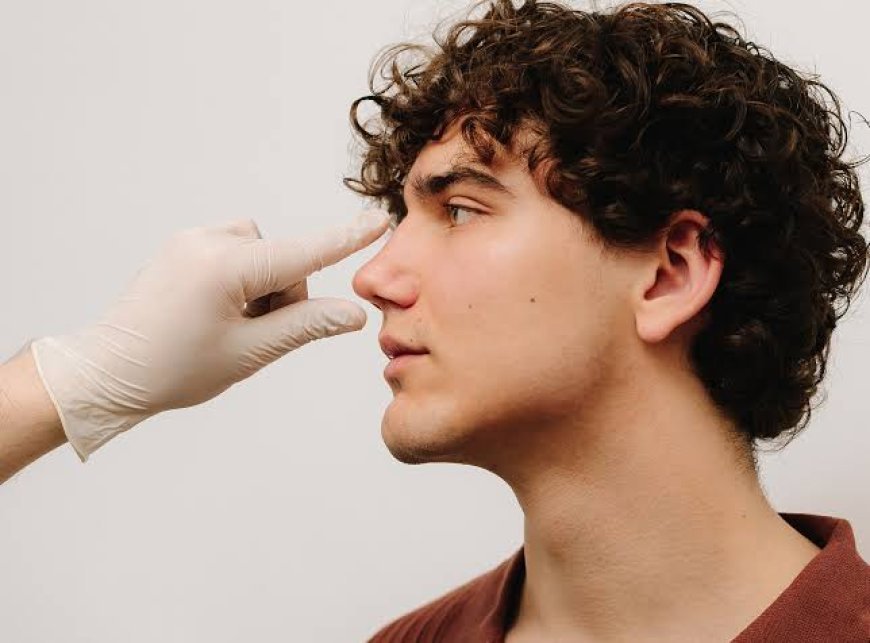
Healthy skin is not just about appearance. It plays an important role in protecting the body, regulating temperature, and supporting overall well-being. However, changing weather conditions, sun exposure, humidity, stress, and daily skincare habits can affect skin health over time. From persistent acne and pigmentation to hair loss and early signs of ageing, many concerns require more than an over-the-counter skincare product.
Finding the best dermatologist in Dubai starts with understanding your skin concerns and choosing a qualified medical professional who can assess your needs, explain suitable treatment options, and help you make informed decisions about your care.
Dermatology covers a wide range of medical, surgical, and cosmetic services. Whether you are experiencing an ongoing skin condition or looking for professional advice on maintaining healthy skin, understanding these services can help you know when to seek specialist care.
What Does a Dermatologist Do?
A dermatologist is a medical doctor who specialises in diagnosing and managing conditions affecting the skin, hair, and nails. Dermatologists also provide advice on skin protection, preventive care, and selected cosmetic treatments.
Common reasons to consult a dermatologist include:
-
Persistent acne, blackheads, or inflamed breakouts
-
Dark spots, uneven skin tone, and pigmentation
-
Eczema, dermatitis, or unexplained itching
-
Hair thinning, excessive shedding, or scalp problems
-
Suspicious moles or changes in existing skin lesions
-
Skin infections, rashes, and nail abnormalities
-
Fine lines, wrinkles, and other cosmetic concerns
Some conditions are temporary, while others require ongoing management. A dermatologist evaluates the symptoms, medical history, lifestyle factors, and relevant examination findings before recommending an appropriate approach.
Why Is Dermatology Important in Dubai?
Dubai's climate and lifestyle can influence everyday skin health. Strong sunlight, high temperatures, air-conditioned environments, and seasonal humidity may contribute to dryness, irritation, sun damage, or worsening of certain existing skin conditions.
Managing Sun Exposure and Pigmentation
Frequent exposure to ultraviolet (UV) radiation can contribute to premature skin ageing, uneven pigmentation, and an increased risk of skin cancer. Using broad-spectrum sunscreen with SPF 30 or higher, seeking shade, and wearing protective clothing are practical steps for reducing UV exposure.
People who develop persistent dark spots or uneven skin tone may benefit from a professional assessment. Pigmentation can have several causes, so treatment should be based on the underlying condition rather than skin colour alone.
Addressing Acne and Skin Irritation
Heat, sweat, friction, skincare products, and individual skin characteristics can all influence breakouts or irritation. However, acne is a complex condition involving factors such as excess oil production, blocked hair follicles, inflammation, and hormonal changes.
Persistent acne, painful lesions, or breakouts that leave scars deserve medical attention. Early treatment can help control inflammation and reduce the likelihood of long-term scarring.
Common Dermatology Services Explained
The right dermatology service depends on the condition being treated, its severity, and the patient's goals. A consultation helps establish which options are appropriate and whether further investigation is needed.
1. Acne and Acne Scar Treatment
Acne can affect teenagers and adults alike. It may appear as blackheads, whiteheads, inflamed pimples, or deeper painful lesions. Treatment varies according to the type and severity of acne.
A dermatologist may recommend topical medications, oral treatments when appropriate, or selected procedures for specific concerns. Acne scar management may involve treatments such as microneedling, chemical peels, or laser procedures, depending on the scar type and skin characteristics.
Not every treatment suits every patient. A personalised plan should consider possible side effects, recovery time, and the risk of post-inflammatory pigmentation.
2. Pigmentation and Uneven Skin Tone
Pigmentation concerns include melasma, sunspots, and dark marks left after acne or inflammation. Although these conditions may look similar, their causes and treatment requirements can differ.
Depending on the diagnosis, treatment may involve prescription topical products, carefully selected chemical peels, or certain laser-based procedures. Sun protection is particularly important because UV exposure can worsen several pigmentation conditions.
Patients should avoid unverified skin-lightening products or aggressive treatments without medical guidance, as irritation can sometimes make pigmentation more noticeable.
3. Eczema, Dermatitis, and Sensitive Skin
Eczema and dermatitis can cause itching, redness, dryness, scaling, or inflammation. Symptoms may fluctuate and can interfere with sleep, work, and daily activities.
Dermatology care may include identifying triggers, improving the skin barrier with suitable moisturisers, and using prescribed anti-inflammatory treatments when necessary. The approach depends on the specific condition and the affected area.
Persistent rashes should not automatically be assumed to be eczema. Fungal infections, allergic reactions, and other skin disorders can produce similar symptoms and may require different treatments.
4. Hair Loss and Scalp Conditions
Hair thinning and excessive shedding can result from various factors, including genetics, hormonal changes, nutritional deficiencies, illness, medication, or scalp inflammation.
A dermatologist may assess the pattern and duration of hair loss, review medical history, examine the scalp, and recommend tests when indicated. Treatment depends on the cause and may include medication, management of an underlying condition, or other suitable interventions.
Sudden hair loss, patchy bald spots, scalp pain, or significant inflammation should be assessed promptly rather than managed through unverified hair-growth products alone.
5. Mole Assessment and Skin Cancer Screening
Moles and other skin lesions can change over time. Although many are harmless, a new or changing lesion should be evaluated by a medical professional.
Warning signs include asymmetry, irregular borders, multiple colours, changes in size, or a lesion that evolves in appearance. Persistent bleeding or a sore that does not heal also warrants assessment.
A dermatologist may examine the lesion closely and recommend further investigation or a biopsy if necessary. Regular skin checks may be particularly relevant for people with a history of skin cancer, significant sun exposure, or other recognised risk factors.
6. Cosmetic Dermatology and Skin Rejuvenation
Cosmetic dermatology focuses on selected concerns related to skin texture, fine lines, wrinkles, acne scars, and uneven tone. Depending on individual needs, available options may include chemical peels, laser treatments, microneedling, and injectable procedures.
The aim should be to choose a treatment that is appropriate for the person's skin, concerns, and expectations rather than pursuing every available procedure.
Before proceeding, patients should understand the expected benefits, limitations, possible complications, downtime, and aftercare requirements. A consultation with an appropriately qualified medical professional is an important part of this process.
How to Choose the Best Dermatologist in Dubai
Choosing a dermatologist involves more than comparing clinic locations or treatment prices. The quality of the assessment, suitability of the recommended care, and clarity of communication are important considerations.
Check Qualifications and Relevant Experience
Confirm that the doctor holds appropriate medical and dermatology qualifications and has the relevant licensing to practise in Dubai. Experience managing your particular concern can also help you understand whether the clinician is suitable for your needs.
For example, someone seeking help with a chronic inflammatory skin condition may have different requirements from someone considering a cosmetic procedure.
Look for a Thorough Consultation
A good consultation should involve discussing symptoms, medical history, current skincare products, previous treatments, and relevant lifestyle factors. The dermatologist should explain the likely causes of the concern and clarify whether further examination or testing is necessary.
Be cautious of treatment recommendations that are made without an adequate assessment.
Understand the Benefits and Risks
Every treatment has limitations. Ask about expected outcomes, potential side effects, recovery time, alternative options, and the possibility that more than one session may be required.
A trustworthy medical professional should explain what a treatment can reasonably achieve without promising perfect or permanent results.
Consider Follow-Up Care
Some dermatological conditions require monitoring or adjustments to treatment over time. Acne, eczema, pigmentation disorders, and hair loss may need ongoing management rather than a single appointment.
Before choosing a clinic, understand how follow-up appointments work and whom to contact if symptoms worsen or side effects develop.
When Should You See a Dermatologist?
Consider booking an appointment if a skin, hair, or nail concern persists, repeatedly returns, worsens, or affects your daily life. Professional assessment is also appropriate when non-prescription products are not helping or when a condition leaves scars or causes significant discomfort.
Seek prompt medical assessment for a rapidly changing mole, a persistent non-healing sore, sudden unexplained hair loss, or a spreading rash accompanied by other concerning symptoms. Severe skin reactions involving breathing difficulties, facial or tongue swelling, or widespread blistering require emergency medical attention.
It is generally better to seek appropriate advice early than to continue trying multiple products without understanding the cause of the problem.
Simple Habits That Support Healthy Skin
Professional dermatology care works best when supported by consistent daily habits. Although routines should be adapted to individual skin needs, several practices can help maintain skin health.
-
Cleanse gently: Use a suitable cleanser without excessive scrubbing or harsh ingredients.
-
Apply sunscreen: Choose broad-spectrum SPF 30 or higher and reapply as directed, especially after swimming, sweating, or prolonged outdoor exposure.
-
Moisturise regularly: Use a moisturiser suited to your skin type to support the skin barrier.
-
Introduce products gradually: Adding several active ingredients at once can increase irritation and make it difficult to identify the cause of a reaction.
-
Avoid picking at blemishes: Squeezing pimples can worsen inflammation and increase the risk of scarring.
-
Monitor skin changes: Pay attention to persistent irritation, new lesions, or changes in existing moles.
-
Follow professional advice: Use prescribed treatments as directed and discuss unexpected reactions with your healthcare provider.
Healthy skin does not require an elaborate routine or expensive products. Consistency, appropriate sun protection, and timely medical advice are often more useful than frequently changing skincare products.
Frequently Asked Questions
1. How do I find the best dermatologist in Dubai?
Look for a properly qualified and licensed dermatologist with experience relevant to your concern. Consider the quality of the consultation, clarity of treatment explanations, follow-up arrangements, and the suitability of the proposed care.
2. What conditions can a dermatologist treat?
Dermatologists diagnose and manage conditions affecting the skin, hair, and nails. These include acne, eczema, dermatitis, pigmentation, hair loss, skin infections, suspicious moles, and selected cosmetic concerns.
3. Should I visit a dermatologist for acne?
Yes, particularly if acne is persistent, painful, severe, or leaving scars. A dermatologist can assess its underlying factors and recommend suitable treatment based on its type and severity.
4. Are cosmetic dermatology treatments suitable for all skin types?
No. Suitability depends on the procedure, skin characteristics, medical history, and individual risks. Some treatments can cause irritation or worsen pigmentation, so professional assessment is important before proceeding.
5. How often should I see a dermatologist?
There is no single schedule for everyone. The frequency depends on your skin condition, treatment plan, medical history, and risk factors. Your dermatologist can recommend an appropriate follow-up schedule.
Conclusion
Choosing the right dermatologist in Dubai means finding a medical professional who understands your concerns, provides clear explanations, and recommends care based on your individual needs. From acne and pigmentation to hair loss, skin conditions, and cosmetic concerns, dermatology services can support both skin health and confidence when used appropriately.
Dr. Mayur Bhobe is a name patients may explore when researching dermatology care in Dubai. Before booking an appointment, review the doctor's relevant qualifications, areas of practice, and available services to determine whether they match your needs. A thoughtful consultation is a practical first step towards making informed decisions about your skin health.
What's Your Reaction?
 Like
0
Like
0
 Dislike
0
Dislike
0
 Love
0
Love
0
 Funny
0
Funny
0
 Angry
0
Angry
0
 Sad
0
Sad
0
 Wow
0
Wow
0