

























The Journey of Milk from Collection to Consumption

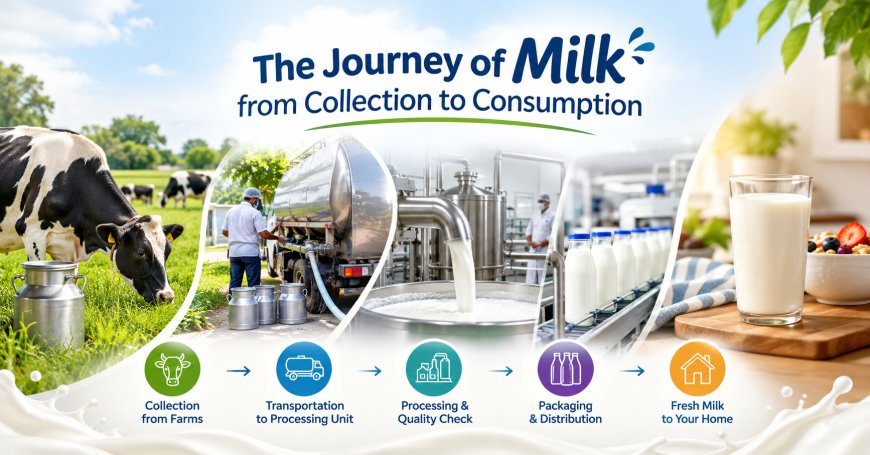
Milk is an essential part of everyday food habits for many families. From morning coffee and tea to breakfast recipes and traditional dishes, it serves a variety of purposes in the kitchen. However, the journey of milk involves several stages before it reaches the consumer. Collection, quality testing, processing, packaging, transportation, and storage all contribute to the condition of the final product. Understanding these stages helps consumers make informed purchasing decisions and appreciate the importance of proper dairy handling.
Understanding Milk Collection at Dairy Farms
The journey begins at dairy farms, where milk is collected from cows under appropriate hygienic conditions. Clean milking equipment, healthy animals, and suitable handling practices are important for maintaining milk quality. After collection, milk should be transferred into clean containers and cooled promptly to help limit bacterial growth. Dairy producers generally follow established procedures to maintain hygiene and protect the milk during the initial stages. Careful collection practices provide the foundation for maintaining quality throughout the remaining supply chain.
The Importance of Milk Quality Testing
After collection, milk may undergo several quality checks before it proceeds to processing or distribution. These checks can include assessing its composition, temperature, cleanliness, and other relevant safety parameters. Testing procedures help identify potential issues and determine whether the milk meets the applicable requirements. Proper monitoring is important because milk is a perishable food product that can deteriorate when handled incorrectly. Consumers can also contribute to better purchasing decisions by checking packaging details, expiry dates, storage instructions, and information provided by the supplier.
Processing and Packaging Methods
Milk processing methods vary depending on the product being prepared and the applicable food safety standards. Pasteurisation is a widely used process that applies controlled heat treatment to reduce harmful microorganisms. Some milk products may undergo additional processing, such as homogenisation, depending on the intended product characteristics. After processing, milk is packed into suitable containers that help protect it from contamination and external exposure. Clear labelling provides useful information about the product, including its type, quantity, manufacturing details, and recommended storage conditions. Consumers should read these details carefully rather than relying solely on advertising claims.
Exploring Different Milk Varieties
Modern consumers can choose from several milk varieties based on their preferences, household requirements, and product availability. These options may differ in fat content, processing method, protein characteristics, and production practices. For example, people researching Organic Milk In Chennai may want to understand how A2 milk differs from milk containing other beta-casein protein variants. A2 milk generally refers to milk containing the A2 type of beta-casein protein. When comparing products, buyers should look for reliable product information and transparent sourcing details. The A2 designation alone does not mean that milk is organic or that it is automatically healthier than every other milk variety.
Transportation and Delivery to Consumers
Once milk has been processed and packaged, transportation becomes an important part of its journey. Appropriate handling and temperature control help maintain the product's quality during distribution. Retail stores, supermarkets, and home delivery services connect dairy producers with consumers in different neighbourhoods. For people with busy schedules, Cow Milk In Chennai can provide a convenient way to receive milk without visiting a shop every day. Before selecting a service, customers should consider delivery coverage, timing, packaging condition, pricing, and how the supplier handles temperature-sensitive products. Consistent communication and dependable delivery arrangements can make daily purchasing easier for households.
Proper Storage After Purchase
The responsibility for maintaining milk quality continues after the product reaches the consumer. Milk should be stored according to the instructions on its packaging, and products requiring refrigeration should be refrigerated promptly. Keeping milk at the recommended temperature helps slow spoilage and supports food safety. Consumers should avoid leaving milk unrefrigerated for extended periods, especially in warm weather. Clean utensils should be used when pouring milk, and the container should be closed properly after use. It is also important to follow the stated consumption period and avoid using products that may have been stored improperly.
How Consumers Can Make Better Purchasing Decisions
Choosing milk involves evaluating more than price alone. Consumers can compare product labels, packaging, quantity, storage requirements, and information about the source. If a product is advertised as organic, buyers can check whether relevant certification or supporting information is available. Similarly, claims about cattle breeds, farming practices, and processing methods should be supported by reliable evidence. Customer reviews can provide insights into delivery consistency and service quality, but they should not replace checks on product information and food safety. Comparing these factors helps families select products that suit their preferences and everyday routines.
Building Better Everyday Dairy Habits
A few practical habits can make milk purchasing and consumption more organised. Planning household requirements helps reduce unnecessary purchases and food waste. Checking expiry dates before buying, storing milk correctly, and cleaning containers and utensils are simple steps that support safe handling. Families can also compare suppliers periodically to ensure that pricing, availability, and delivery arrangements continue to meet their needs. Learning about milk production and distribution encourages consumers to ask informed questions and make decisions based on clear information rather than assumptions.
Conclusion
The journey of milk from collection to consumption involves several connected stages, and each one plays a role in the final product. Hygienic collection, appropriate testing, suitable processing, secure packaging, careful transportation, and correct storage are all important considerations. Consumers who understand these stages can compare products more confidently and develop better purchasing habits. Whether buying from a nearby retailer or choosing a home delivery service, paying attention to product information and safe handling practices helps households make practical decisions about an everyday food item.
What's Your Reaction?
 Like
0
Like
0
 Dislike
0
Dislike
0
 Love
0
Love
0
 Funny
0
Funny
0
 Angry
0
Angry
0
 Sad
0
Sad
0
 Wow
0
Wow
0