



























A Beginner's Guide to Mid-Century Modern Furniture: Key Characteristics and Iconic Designers
Mid-century modern furniture offers a distinctive combination of clean design, natural materials, practical functionality, and enduring visual appeal.

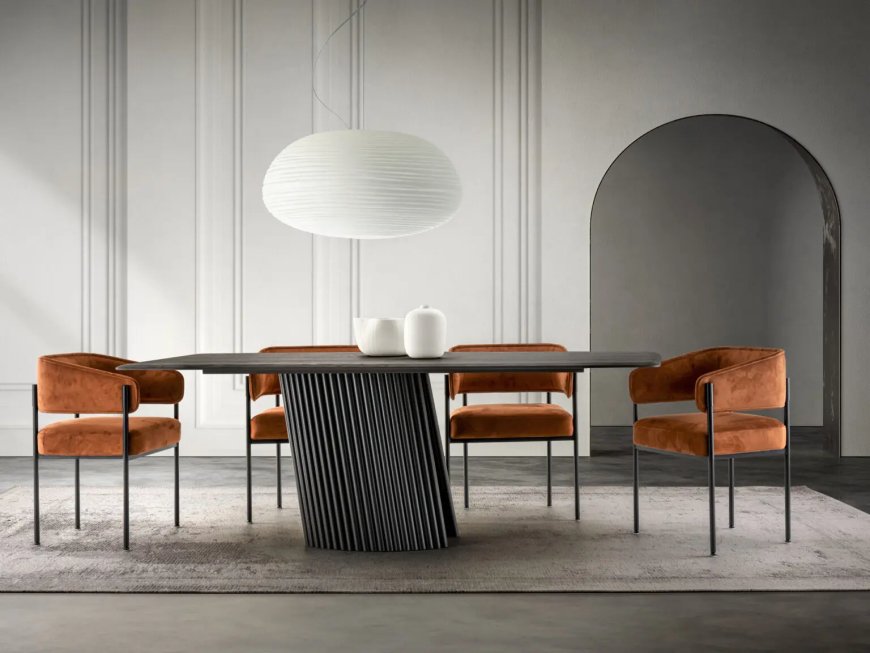
Mid-century modern furniture has remained a favorite among homeowners, interior designers, and vintage collectors for decades. Known for its clean lines, functional designs, natural materials, and timeless appeal, this style brings a perfect balance of simplicity and sophistication to modern interiors. Whether you are decorating a new home or refreshing an existing space, understanding the defining features of mid-century modern furniture can help you make thoughtful design choices. From sculptural lounge chairs to elegant wooden dining tables, these pieces combine practicality with distinctive visual character. Learning about the movement's history, materials, and influential designers is an excellent starting point for creating a stylish and comfortable home.
Understanding the History of Mid-Century Modern Furniture
Mid-century modern furniture emerged during the middle of the twentieth century, particularly from the 1940s through the 1960s. The movement developed as designers explored new materials, manufacturing techniques, and ways to make attractive furniture more accessible. Influenced by European modernism, the Bauhaus movement, and Scandinavian design, this approach emphasized simplicity, comfort, and practical everyday use. Designers moved away from heavily ornamented traditional furniture and embraced streamlined silhouettes that suited changing lifestyles. The result was a distinctive design philosophy that continues to influence contemporary homes.
After World War II, economic growth, suburban development, and advances in industrial production helped shape the popularity of modern furniture. Homeowners increasingly wanted interiors that felt open, welcoming, and suitable for everyday family life. Designers responded with furniture that featured lighter visual profiles, flexible arrangements, and efficient use of space. New materials, including molded plywood, fiberglass, steel, and innovative upholstery fabrics, expanded the possibilities for creative furniture design. These developments helped establish mid-century modern furniture as a recognizable style that remains relevant today.
Key Characteristics That Define the Style
One of the most recognizable features of mid-century modern furniture is its clean, uncomplicated design. Straight lines, gentle curves, tapered legs, and geometric shapes create an appealing combination of structure and softness. Unlike traditional furniture with elaborate carvings and decorative details, mid-century pieces generally allow their proportions and materials to take center stage. Their designs often appear lightweight, making rooms feel more spacious and organized. This understated appearance makes the style particularly versatile for both contemporary apartments and traditional homes.
Natural materials play an important role in creating the warmth associated with this design movement. Teak, walnut, oak, and other woods are commonly used for tables, cabinets, chairs, and storage units. Wood grain is often left visible, allowing its natural texture and color to contribute to the overall design. Designers also incorporated metal, glass, leather, and durable upholstery to introduce contrast and practical functionality. When selecting furniture, consider how these materials complement your flooring, wall colors, and existing decorative elements.
Color is another defining characteristic of mid-century interiors. Warm wood tones often serve as a foundation, while shades such as mustard yellow, olive green, burnt orange, teal, and muted blue provide personality. Neutral colors, including cream, white, gray, and beige, can balance these richer accents. However, an authentic mid-century-inspired room does not need to include every recognizable color associated with the period. A restrained palette with a few carefully selected accents can create a more cohesive and timeless result.
Iconic Designers Who Shaped the Movement
Several influential designers helped establish the visual language of mid-century modern furniture. Charles and Ray Eames are among the most widely recognized figures, celebrated for their innovative experiments with molded plywood, fiberglass, and ergonomic seating. Their work demonstrated that furniture could combine artistic expression, comfort, and efficient production. The Eames Lounge Chair and Ottoman became especially well known for their combination of molded wood, leather upholstery, and sculptural form. Their approach continues to inspire furniture makers and interior designers around the world.
Danish designer Arne Jacobsen also made a lasting contribution through elegant chairs that combine organic curves with functional construction. His famous Egg Chair and Swan Chair demonstrate how furniture can serve as both a comfortable seat and a striking visual feature. Another influential figure, Hans Wegner, became known for exceptional woodworking and carefully considered chair designs. His Wishbone Chair remains popular because of its graceful frame, woven seat, and practical versatility. These designers helped establish Scandinavian modern furniture as an important influence on the broader mid-century movement.
Other notable designers include Eero Saarinen, Florence Knoll, and George Nelson. Saarinen's Tulip Table introduced a distinctive pedestal base that reduced the visual clutter created by conventional table legs. Florence Knoll helped shape modern interiors through thoughtful furniture design and integrated planning for homes and offices. George Nelson contributed innovative storage systems, clocks, and furniture that combined geometric forms with playful creativity. Exploring the work of these designers can help beginners recognize the qualities that distinguish original mid-century pieces from furniture that simply borrows the style.
Choosing Mid-Century Dining Furniture for Your Home
A walnut or teak dining table with tapered legs can provide a warm focal point without overwhelming the room. Pairing it with upholstered or molded chairs introduces texture and visual interest. Mid-century dining furniture is an excellent starting point for anyone who wants to introduce this style into a home. Dining tables, chairs, sideboards, and storage cabinets often showcase the movement's characteristic materials, clean lines, and practical construction. The key is to choose pieces that work together in scale, finish, and overall design rather than matching every item exactly.
Before purchasing a dining table, measure the room and consider how people will move around it. Leave enough space between the table and surrounding walls or furniture for chairs to be pulled out comfortably. Round tables can work well in compact dining areas because they encourage conversation and soften angular layouts. Rectangular tables are often suitable for longer rooms or households that regularly entertain guests. When selecting chairs, prioritize seat comfort, appropriate height, and durable materials alongside appearance.
A sideboard or credenza can make the dining area more functional while reinforcing its mid-century character. These low-profile storage pieces provide room for tableware, linens, serving dishes, and other essentials. Look for simple cabinet fronts, attractive wood grain, understated handles, and legs that complement the dining table. To finish the space, consider a pendant light with a sculptural shape, a simple centerpiece, or artwork with geometric patterns. A thoughtful combination of furniture and accessories can create a welcoming dining room that feels stylish without becoming overly decorative.
How to Identify Quality and Authentic Mid-Century Pieces
When shopping for mid-century modern furniture, it is important to understand the difference between authentic vintage designs and contemporary reproductions. Original pieces may feature distinctive construction methods, manufacturer labels, designer markings, or documented production histories. However, labels can disappear over time, and markings alone do not guarantee authenticity. Researching a particular design, comparing reliable reference images, and consulting reputable vintage dealers can help you make a more informed decision. For valuable or collectible furniture, independent professional authentication may be worthwhile.
Quality construction should also guide your purchasing decisions. Examine joints, drawer mechanisms, table stability, upholstery seams, and the condition of wooden surfaces. Small scratches or signs of age may be acceptable in vintage furniture, but loose joints, severe water damage, and extensive veneer loss can require costly repairs. Ask sellers about restoration work, replacement components, and any known structural problems before committing to a purchase. For upholstered pieces, check the condition of the padding and fabric, since replacing these materials can significantly increase the overall cost.
Budget is another important consideration for beginners. You do not need to purchase rare designer originals to create a convincing mid-century-inspired interior. Contemporary furniture influenced by the period can offer similar silhouettes and materials at more accessible prices. Thrift stores, estate sales, vintage markets, and secondhand marketplaces may also provide opportunities to find distinctive pieces. Compare prices carefully, account for delivery and restoration expenses, and prioritize furniture that suits your everyday needs.
Styling Mid-Century Modern Furniture in Contemporary Interiors
One of the greatest advantages of mid-century modern furniture is its ability to blend with other interior design styles. A vintage wooden credenza can complement minimalist decor, while a sculptural lounge chair can add character to a neutral living room. Combining mid-century pieces with contemporary lighting, textured rugs, and simple artwork helps create an interior that feels personal rather than staged. The most successful spaces usually balance clean lines with comfortable textures and a few distinctive decorative elements. Instead of filling every corner, allow important furniture pieces enough room to stand out.
Lighting, textiles, and accessories can strengthen the overall atmosphere without requiring a complete room makeover. A pendant lamp with a rounded shade, a wool rug in a subtle geometric pattern, or cushions in warm accent colors can reinforce the design language. Houseplants also work well with the natural materials commonly found in mid-century interiors. For a cohesive appearance, repeat a small selection of colors or finishes throughout the room. This approach creates visual continuity while allowing individual furniture pieces to retain their character.
Maintenance is equally important if you want your furniture to remain attractive for years. Follow the manufacturer's care instructions for wood finishes, leather, upholstery, and metal components. Use appropriate cleaning products, avoid excessive moisture on wooden surfaces, and protect furniture from prolonged direct sunlight when possible. Vintage items may require specialized care depending on their age, materials, and previous restoration. With thoughtful selection, practical maintenance, and balanced styling, mid-century modern furniture can remain a functional and beautiful part of your home for generations.
Conclusion
Mid-century modern furniture offers a distinctive combination of clean design, natural materials, practical functionality, and enduring visual appeal. Understanding its history, recognizing influential designers, and learning to evaluate construction quality can help beginners make confident decorating decisions. Whether you start with a sculptural lounge chair, a streamlined storage cabinet, or carefully selected mid-century dining furniture, even a few well-chosen pieces can transform a room. Focus on comfort, proportion, quality, and compatibility with your existing decor rather than trying to recreate an entire historical period. By choosing furniture that suits your lifestyle and personal taste, you can enjoy the timeless character of mid-century modern design while creating a home that feels welcoming and distinctly your own.
What's Your Reaction?
 Like
0
Like
0
 Dislike
0
Dislike
0
 Love
0
Love
0
 Funny
0
Funny
0
 Angry
0
Angry
0
 Sad
0
Sad
0
 Wow
0
Wow
0