



























Sounder Strobe for Control Panel: Improving Alarm Awareness in Modern Industries
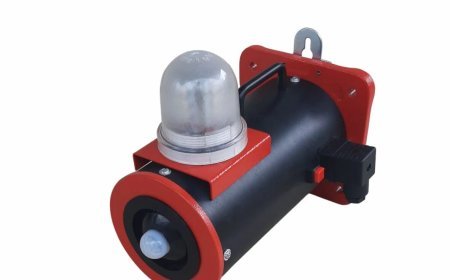
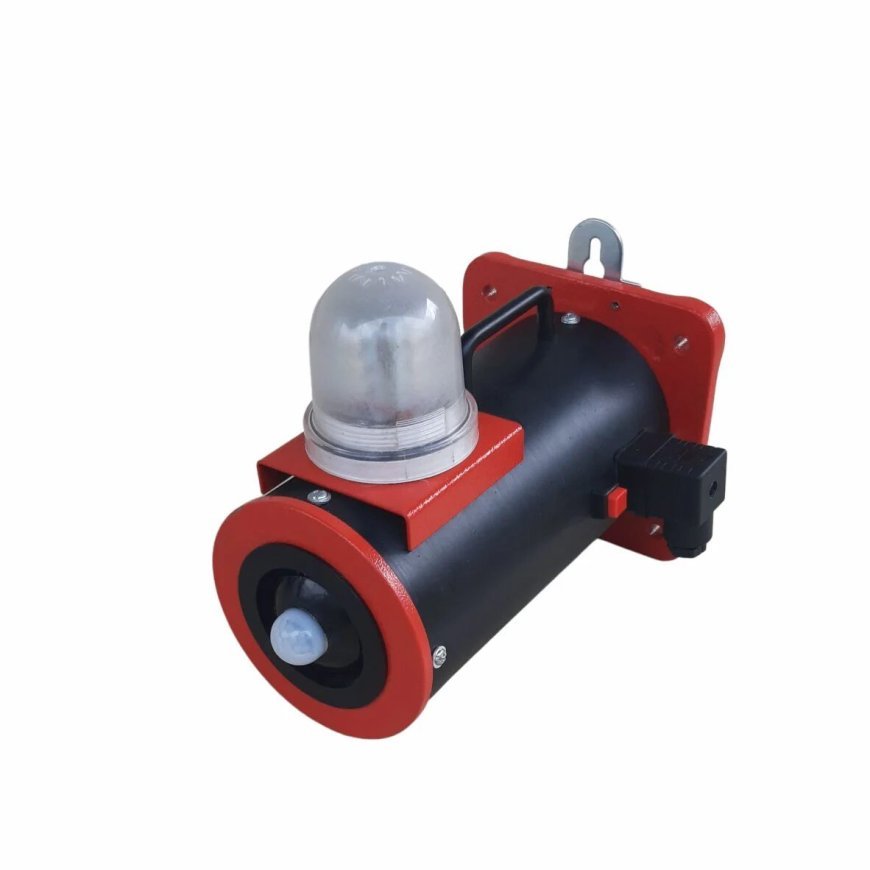
A sounder strobe for control panel applications provides two forms of notification: an audible signal and a flashing light. This combination can help make alarms noticeable in workplaces where employees are busy, equipment is operating continuously, or visual monitoring alone may not be sufficient.

Industrial operations depend on clear communication between machines, control systems, and the people responsible for monitoring them. A production line may run smoothly for hours, yet a sudden equipment fault or process interruption can require immediate attention. In such situations, a well-planned warning system helps operators recognize that something has changed and take the appropriate next step.
A sounder strobe for control panel applications provides two forms of notification: an audible signal and a flashing light. This combination can help make alarms noticeable in workplaces where employees are busy, equipment is operating continuously, or visual monitoring alone may not be sufficient.
Understanding the purpose of these devices and the factors that influence their performance can help businesses develop more practical industrial alarm arrangements.
How Audible and Visual Alarms Support Operators
Control panels provide information about the condition of electrical and automated equipment. However, operators may not always be looking at the panel when a fault occurs. A warning device helps communicate that an event needs attention without requiring continuous observation of the display.
The audible component produces a sound when activated, while the visual component provides a flashing indication. Depending on the connected control system, the signals may activate together when a sensor, relay, or controller identifies a predefined condition.
For example, a machine may stop because of an overload, a process may move outside its permitted operating range, or a monitoring system may detect an unexpected interruption. The warning signal alerts personnel, who can then consult the control panel or operating procedure to identify the cause.
It is important to remember that an alarm communicates a condition; it does not necessarily identify the underlying fault. Clear alarm descriptions and appropriate response procedures remain essential.
Applications Across Different Industrial Settings
Manufacturing and assembly plants
Production facilities often contain several machines operating simultaneously. Audible and visual indicators can help operators recognize equipment stoppages, process interruptions, or other monitored conditions that require investigation.
Electrical control cabinets
Electrical installations use protective devices, monitoring relays, and controllers to identify specific abnormalities. A connected warning unit can provide a noticeable indication when the relevant circuit activates an alarm output.
Water and utility facilities
Pumping stations and utility systems may use alarms to report conditions detected by pressure switches, level sensors, or motor protection equipment. The signaling device helps notify personnel, while the monitoring system provides the information needed to investigate the problem.
Building and equipment monitoring
Certain building services and industrial support systems rely on centralized monitoring to identify faults or interruptions. Audible and visual alarms can supplement other notifications, provided the equipment is suitable for the application and the alarm logic is correctly configured.
Understanding the Importance of an IP66 Rating
Industrial warning devices may be exposed to dust, moisture, and cleaning activities. Selecting an enclosure with appropriate environmental protection can help reduce the risk of ingress affecting the equipment.
An IP 66 sounder is designed to provide complete protection against dust and protection against powerful water jets under specified test conditions. This can be relevant to certain industrial areas where ordinary indoor equipment may not offer sufficient protection.
However, an IP66 rating does not mean that the device is suitable for every harsh environment. Resistance to chemical exposure, immersion, extreme temperatures, or other special conditions must be assessed separately using the manufacturer's technical information.
Installation quality also matters. Cable entries, mounting arrangements, and enclosure closures must follow the product instructions to preserve the intended protection level.
What Should You Consider Before Choosing a Device?
Choosing an appropriate alarm involves evaluating how it will operate within the wider control system.
Supply voltage: Confirm the available electrical supply and match it to the device's specified AC or DC operating voltage.
Audible output: Consider the normal background noise and the distance between the alarm and the intended listeners. A warning that cannot be heard clearly may not serve its intended purpose.
Visual visibility: Review ambient lighting, mounting height, viewing angle, and possible obstructions. The flashing light should be visible from relevant working positions.
Control compatibility: Determine whether the alarm will be activated through a relay, controller, sensor, or dedicated alarm circuit. Check the required connections and switching arrangements.
Environmental suitability: Review the enclosure rating, temperature range, and other operating limits against actual site conditions.
Maintenance requirements: Consider how easily the unit can be inspected, tested, and replaced when necessary.
Evaluating these points together helps prevent a common selection mistake: choosing a device that fits the electrical requirements but does not suit the working environment.
Combined Sounder Strobe or Separate Indicators?
A combined unit places audible and visual signaling in one device. This arrangement can be useful when both outputs need to operate at the same location and when installation space is limited.
Separate sounders and visual indicators may be preferable when the sound needs to cover a wider area while the flashing light must remain close to a particular machine or panel. Independent components can also provide flexibility when different warning conditions require separate signaling arrangements.
The better option depends on the installation layout, required alarm functions, wiring, and maintenance needs. For critical processes, engineers should also consider the consequences of a failed indicator and determine whether additional monitoring or redundancy is necessary.
Neither arrangement should replace the protective interlocks, emergency shutdown systems, or other safeguards required by the application.
Installation Practices That Improve Alarm Effectiveness
Even a suitable device may provide limited benefit if it is installed incorrectly. A few practical measures can improve its usefulness:
-
Position the alarm where the intended personnel can recognize both the sound and flashing light.
-
Follow the manufacturer's wiring diagram and electrical ratings.
-
Connect the device to a clearly defined alarm condition.
-
Avoid placing several similar alarms where their sources are difficult to distinguish.
-
Document the meaning of each warning and the required operator response.
-
Test the audible and visual functions according to the maintenance schedule.
-
Inspect wiring, mounting hardware, and enclosure condition for signs of deterioration.
Regular testing should cover the connected alarm circuit as well as the device itself. This helps confirm that the complete signaling arrangement responds correctly when the relevant condition occurs.
Conclusion
A sounder strobe for control panel installations can help industrial teams recognize abnormal conditions by combining audible notification with a flashing visual signal. Its usefulness depends on more than sound output or appearance; electrical compatibility, environmental protection, correct positioning, and a well-defined response procedure are equally important.
An IP66 sounder may be worth considering where dust and water-jet exposure are relevant, provided the manufacturer's specifications match the installation requirements. Careful selection and routine testing help ensure that warning devices remain a useful part of an industrial monitoring system.
Files
What's Your Reaction?
 Like
0
Like
0
 Dislike
0
Dislike
0
 Love
0
Love
0
 Funny
0
Funny
0
 Angry
0
Angry
0
 Sad
0
Sad
0
 Wow
0
Wow
0