
























How the Greece Digital Nomad Visa Could Change Your Family's Next Five Years
Discover how the Greece digital nomad visa could shape your family's next five years, from schooling and finances to tax planning and long-term goals.

Quick Summary:
Moving to Greece can offer remote-working families a fresh lifestyle, new cultural experiences, and a different perspective on work and family life. However, the decision involves more than visa approval. Parents should consider income stability, school choices, healthcare, tax residency, housing, and long-term immigration options before committing to a five-year plan.
Introduction
For remote-working families, the greece digital nomad visa can create an opportunity to experience European life without immediately changing employers or abandoning an established career. Yet relocating with a partner or children requires a broader perspective than choosing an attractive destination.
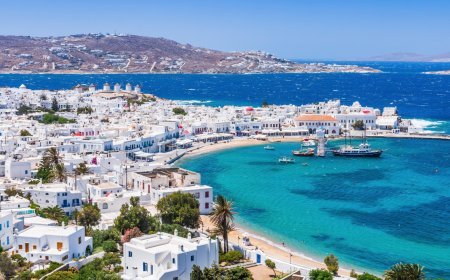
Greece offers a Mediterranean lifestyle, access to European travel, and a range of urban and island communities. However, the right location depends on practical considerations such as internet reliability, healthcare access, school availability, and the cost of housing.
Greece introduced its digital nomad visa framework in 2021. The relevant residence route is generally intended for eligible non-EU nationals who work remotely for employers or clients outside Greece. The initial national visa is typically valid for up to one year, while eligible applicants may apply for a digital nomad residence permit, generally valid for up to two years and renewable subject to the applicable requirements.
This distinction matters because a visa is not automatically a five-year residence permission. Families must understand the conditions governing each stage before building long-term plans around their move.
Year One: Build Financial and Family Stability
The first year should focus on creating a stable foundation rather than trying to make every aspect of the move permanent.
Start by calculating the combined cost of housing, utilities, food, transport, healthcare, schooling, and travel. Families should also account for rental deposits, relocation costs, document preparation, and emergency savings.
Greece's digital nomad framework has traditionally required applicants to demonstrate monthly income of at least €3,500 after taxes for the principal applicant, with increases of 20% for a spouse or partner and 15% for each dependent child. These figures must be checked against current official requirements before applying, as eligibility rules and accepted evidence may change.
For a household with children, meeting an income threshold is only the beginning. Parents must determine whether their actual take-home income can support their preferred lifestyle while maintaining savings and meeting existing financial commitments.
The greece digital nomad visa should therefore be part of a complete family budget, not a decision based on salary alone.
Year Two: Choose Schools and Create a Sense of Belonging
Education can become one of the most important factors in deciding whether a relocation works for the whole family.
Parents should compare local public schools, private schools, and international schools according to language, curriculum, admissions requirements, fees, and travel time. Availability can vary considerably by location, and international school places may be limited.
Children may adapt at different speeds. Some will welcome new friendships and experiences, while others may miss familiar routines, relatives, and friends. Maintaining regular contact with family members back home can help children feel connected while they adjust.
Parents should also consider daily life outside school. Access to parks, sports, activities, public transport, and healthcare can influence whether a neighbourhood feels suitable over the long term.
By the end of the second year, families should have a clearer understanding of whether Greece supports their children's educational needs and their own professional responsibilities.
Year Three: Review Tax, Healthcare, and Career Decisions
By the third year, the excitement of moving abroad may give way to more practical questions about sustainability.
Tax residency deserves particular attention. Under Greek domestic tax rules, an individual may generally be treated as a Greek tax resident if their permanent or principal home, usual residence, or centre of vital interests is in Greece. A stay exceeding 183 days within a twelve-month period can also trigger tax residency, subject to the applicable statutory conditions and exceptions.
Remote employees and business owners should review how their income is treated in Greece and whether obligations remain in their home country. Double taxation agreements may help eligible individuals, but professional advice is important because the outcome depends on personal circumstances.
Healthcare also needs regular review. Families should confirm their eligibility for public healthcare, understand any private insurance requirements, and consider how their arrangements would work if employment or residency circumstances changed.
For families using the greece digital nomad visa route, the third year is a sensible time to assess whether their current financial and professional arrangements remain suitable.
Year Four: Decide Whether Greece Is a Temporary Base or a Long-Term Home
After several years, families may discover that their original plans have changed. Children may have settled into school, a remote business may have expanded, or parents may have developed stronger professional and personal connections in Greece.
This is the point to review the future deliberately.
A digital nomad residence route should not automatically be treated as a pathway to permanent settlement. Time spent under a particular permit may not count towards other immigration permissions in the way a family expects. Eligibility for long-term residence depends on the specific legal route, qualifying residence periods, and other applicable conditions.
Families should investigate their options well before their current permission expires. If a different residence category becomes appropriate, they should establish whether they qualify and what application requirements apply.
The greece digital nomad visa may support a period of international living, but families should avoid assuming that several years in Greece will automatically lead to permanent residence or citizenship.
Year Five: Measure Success Beyond the Destination
The fifth year offers an opportunity to assess what the relocation has achieved.
Have the children received the education their parents wanted for them? Has the move improved family time and overall quality of life? Have savings remained healthy? Can the remote worker sustain their career without compromising professional growth?
These questions matter more than whether the family has simply remained abroad for five years.
It is also worth comparing the cost of staying in Greece with the cost of returning home or moving elsewhere. Consider property commitments, school transitions, business arrangements, tax consequences, and the practical steps required to relocate again.
A successful five-year plan should preserve options rather than create unnecessary dependence on one destination. The greece digital nomad visa can be one element of that plan, provided the family regularly reviews its immigration status and financial circumstances.
How Immigration Connection Can Help Families Plan Ahead
Immigration planning is most effective when it considers the family's circumstances rather than focusing solely on an application.
Immigration Connection can help prospective applicants understand their immigration options, prepare supporting evidence, and identify questions that require specialist advice. Families should also consult qualified tax professionals and education providers when making decisions that extend beyond immigration law.
Before applying for a greece digital nomad visa, confirm current requirements through official Greek government and consular sources. Review income evidence, dependent eligibility, insurance, application procedures, and the conditions attached to any subsequent residence permit.
This preparation helps families make decisions based on realistic expectations rather than assumptions about their future status.
Conclusion: Plan Five Years, Not Just the First Move
Relocating to Greece can become a meaningful chapter in a family's life, offering new experiences and a different way to balance work with personal priorities. However, a lasting move requires financial preparation, thoughtful education choices, tax awareness, and a clear understanding of immigration limits.
The greece digital nomad visa should be considered within a wider five-year family strategy. By reviewing goals annually and seeking appropriate professional advice, parents can make better-informed choices while keeping future opportunities open.
What's Your Reaction?
 Like
0
Like
0
 Dislike
0
Dislike
0
 Love
0
Love
0
 Funny
0
Funny
0
 Angry
0
Angry
0
 Sad
0
Sad
0
 Wow
0
Wow
0