


























Best Softball Glove Size for a 10-Year-Old: A Parent’s Buying Guide
Not sure what size glove to buy? Here’s how to pick the right fit for a 10-year-old, from the best size range to position tips, price, and break-in advice.

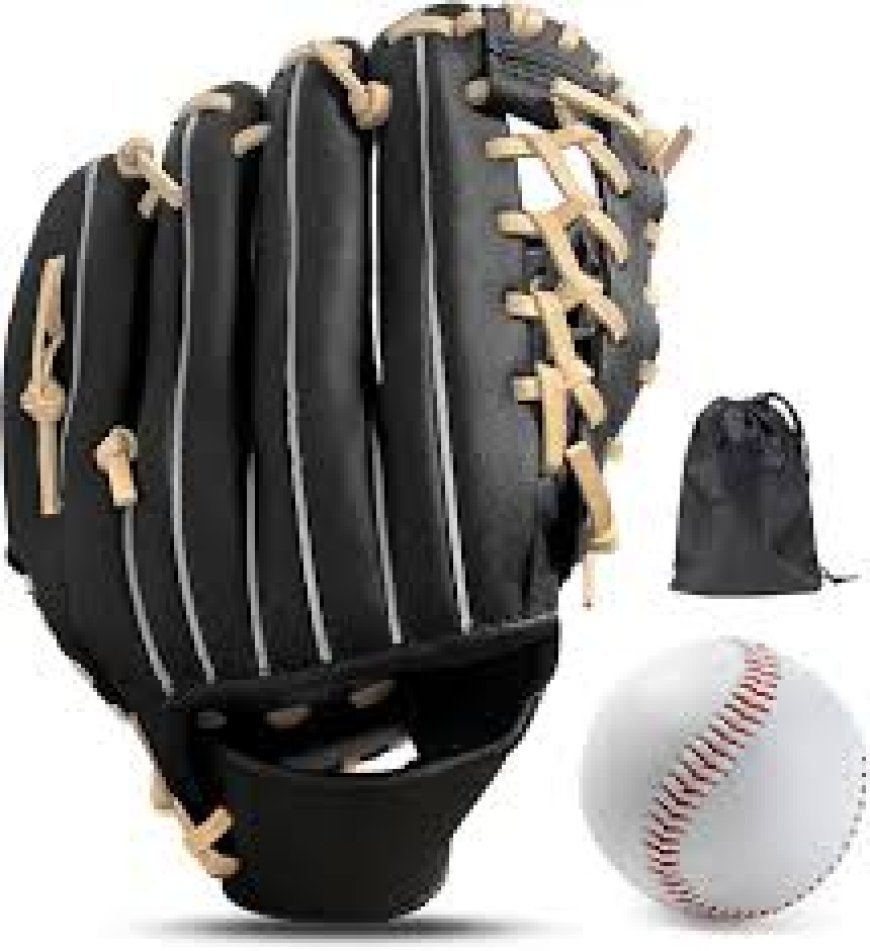
Somewhere in your garage there’s probably a glove from two seasons ago. The leather is cracked along the thumb, the laces are fraying, and one finger stall is so stretched out it flops over. Your daughter wants to play again this season, and you promised to sort out a new glove before the weekend.
Then you start searching. Forty-odd gloves, sizes like 11.25 and 11.5, and words like “H-web” and “I-web” that mean nothing to you. It’s a lot when all you wanted was something that fits.
Start With the Number
The best softball glove size for a 10 year old usually sits between 10.5 and 11.5 inches, and most kids land right around 11. That number is measured from the tip of the index finger down to the base of the glove, and it’s printed on the glove itself, usually near the thumb or on the wrist strap. Smaller hands or first-year players tend to feel better in a 10.5 or 11. A tall ten-year-old with a few seasons behind her might be ready for 11.5.
Here’s where parents go wrong, and I get why: they buy bigger. “She’ll grow into it” feels like the thrifty, sensible move. But a glove that’s too big is heavy and floppy, and hard to squeeze shut. A kid who can’t close her glove drops balls she’d normally catch, and nothing sours a ten-year-old on softball faster than feeling bad at it.
If you’re torn between two sizes, go slightly smaller. A glove that’s a touch snug is easier to live with than one that swallows her hand.
What Position Does She Play?
It matters, though less than the internet makes it sound. Infielders want a shorter glove, around 10.5 to 11 inches, so the ball comes out of the pocket quickly for the throw. Outfielders get more room to play with, 11 to 11.5, since a longer glove adds reach and a deeper pocket helps on fly balls. Pitchers often like a closed web, mostly so the batter can’t see the grip.
First base and catcher are their own thing. Those positions use mitts, not gloves, with different shapes and padding, so if she’s playing either one, shop for those specifically and look for the youth version.
And if she’s still bouncing around the field, which is completely normal at ten? An 11-inch glove is your safe bet. It’s not perfect for any one position, but it’s good enough for all of them.
Don’t Trust the Size Chart Alone
Sizes are a starting point, nothing more. Hands aren’t all the same, and neither are gloves, even in the same number. So let her try it on. Can her fingers reach the ends of the stalls? Can she close the glove with just that one hand, no help from the other? It’ll be stiff when it’s new, and that’s expected, but it should be possible. The wrist should feel snug, not loose enough to spin around.
Then play a little catch right there in the aisle or the driveway. If she looks like she’s wearing an oven mitt, you have your answer. Buying online? Check the return policy before you click, because fit is hard to judge from a photo.
A quick word on hand-me-downs, too. An older cousin’s glove can be a great find, but only if it passes the same test. If it’s too big or the leather is dried out and stiff, it’s not saving you anything.
Leather, Price, and Reading the Label
You don’t have to spend a lot. Her hands are still growing, and there’s a fair chance she’ll outgrow this one in a season or two. Somewhere between $40 and $80 gets you a solid glove.
Synthetic or lower-grade leather is lighter and usually soft right out of the box, which is great for beginners. Full-grain leather lasts longer and shapes to her hand beautifully, but it can take weeks of catch to loosen up. Worth it if she’s already hooked, probably overkill if she’s just starting.
Look for “youth” or “girls’ fastpitch” on the tag. Those gloves are built with smaller finger stalls and a lower hand opening, which helps small hands a lot. And double-check which hand she throws with. A right-handed thrower wears the glove on her left, and the tags say RHT or LHT. It’s an easy thing to miss when you’re rushing, and yes, people do come home with the wrong one.
Breaking It In
A new glove feels like a cardboard taco. That’s normal. It doesn’t mean you bought the wrong one.
The best break-in method is also the dullest: play catch. Lots of it. Throw the ball into the pocket again and again until the leather starts to give. A little glove conditioner helps, but go light, because too much oil makes leather heavy and floppy. Skip the internet tricks like running it over with the car or baking it in the oven. They make good stories, but they warp good gloves.
At night, tuck a ball into the pocket and wrap a rubber band around the glove. Sounds too simple. Works anyway.
One Last Thing
Buy for the hand she has today, not the one she’ll have next summer. Start around 11 inches, tweak for position, and let her try it on before you pay. If she picks it up and doesn’t want to put it down, that’s your glove.
What's Your Reaction?
 Like
0
Like
0
 Dislike
0
Dislike
0
 Love
0
Love
0
 Funny
0
Funny
0
 Angry
0
Angry
0
 Sad
0
Sad
0
 Wow
0
Wow
0