



























A Beginner's Guide to Choosing Calming Herbal Tea at Home

Walking into a tea shop for the first time can feel surprisingly confusing. Shelves are full of jars, pouches, and boxes, each promising comfort, balance, or relaxation. Names sound poetic, but they rarely tell you what is actually inside.
The good news is that choosing a herbal tea does not need to be complicated. A few basic ideas about flavour, ingredients, and quality will take you most of the way. Once you know what to look for, the process becomes enjoyable rather than overwhelming.
This guide is written for anyone who is new to organic herbal teas and wants to build a small, useful collection at home without wasting money on blends that end up forgotten at the back of the cupboard.
What Counts as Herbal Tea?
Strictly speaking, herbal tea is not tea at all. True tea comes from the Camellia sinensis plant and includes black, green, white, and oolong varieties. Herbal tea, also called a tisane, is made by steeping flowers, leaves, roots, seeds, or bark in hot water.
Because it does not come from the tea plant, most herbal blends contain no caffeine. That makes them a flexible choice for any time of day, and especially for the evening.
Common Herbs and Their Character
Chamomile is soft, floral, and gently sweet. Peppermint is cooling and fresh. Lemon balm tastes bright and lightly citrusy. Ginger is warm and spicy. Rooibos, which comes from a South African shrub, is smooth and slightly nutty. Roots such as ashwagandha taste earthy and deep.
Knowing these basic profiles helps you predict how a blend will taste before you open the packet.
Start With Your Purpose
Before you pick a tea, ask yourself when you plan to drink it. A morning cup and a bedtime cup have different jobs.
For Winding Down
Evening blends usually lean on gentle herbs such as chamomile, lemon balm, lavender, and passionflower. These have a long traditional history as bedtime drinks. They are soft in flavour and easy to enjoy even if you are new to herbal tea.
For a Gentle Lift
If you want something refreshing without caffeine, peppermint, ginger, and lemongrass are good choices. They wake up the senses with their aroma and make a pleasant replacement for a second or third coffee.
For Grounding and Calm
Root-based herbs such as ashwagandha are often chosen by people who want a more grounding ritual. Their flavour is stronger, so they are better for someone who already enjoys earthy drinks or is willing to give the taste a few tries.
How to Read the Ingredient List
The ingredient list tells you more than the front of the box. Short lists are generally a good sign. You should be able to name every plant in the blend.
Watch for broad terms such as natural flavouring or aroma. These can be harmless, yet they make it harder to know exactly what you are drinking. Some blends also use fillers or artificial colours to look more appealing.
Whole Herbs Versus Dust
Whole leaves, flowers, and root pieces usually hold more aroma than fine powder. When you open the packet, you should be able to see recognisable bits of plant material. A dusty, pale mix that smells faint may have been sitting for a long time.
Organic Matters for Plants You Drink
Herbs are steeped directly in hot water and consumed whole in many cases, so how they are grown matters. Organic farming limits synthetic pesticides and fertilisers. Many shoppers prefer certified organic herbs for this reason, particularly for daily drinking.
Loose Leaf or Tea Bags?
Both options have their place. Tea bags are quick and tidy, which suits busy mornings and workplaces. Loose leaf blends usually give you more room for the herbs to expand, so the flavour can be fuller.
If you try loose leaf, a simple infuser basket or a small teapot is all you need. You can adjust the strength easily by changing the amount of herbs or the steeping time.
Where to Find Good Quality
The place you shop for tea shapes the quality of what you drink. Supermarkets offer convenience and low prices, but their products can sit on shelves for a long time. Specialist suppliers often turn stock over faster and can tell you more about their sourcing.
When you are ready to buy natural herbal teas, choose a seller that lists full ingredients, explains how to brew each blend, and gives clear contact details for questions. Honest descriptions and sensible claims are better signs than dramatic promises.
Signs of a Trustworthy Seller
A reliable seller does not claim that a tea cures illness. It describes taste, traditional use, and brewing steps in plain language. It also mentions who should avoid certain herbs, which shows respect for the customer.
How to Brew a Basic Cup
Brewing is easy once you know a few rules. Use about one teaspoon of herbs for each cup of water, or follow the guidance on the packet. Boil fresh water and pour it over the herbs.
Soft herbs and flowers such as chamomile and mint need about four to five minutes. Roots, seeds, and bark need longer, often seven to ten minutes. Cover the cup while it steeps so the aroma stays in the drink.
Taste as you go. If a cup is too bitter, shorten the steeping time. If it is too weak, add a little more herb next time. Over a few cups, you will find your own sweet spot.
Safety Basics Worth Knowing
Herbs are natural, but they are still active plants. Some can interact with medication or may not suit certain people.
Pregnant and breastfeeding women should check with a doctor before drinking new herbal blends. The same goes for anyone who takes regular medicine, has a chronic condition, or is about to have surgery. Start with one cup a day and see how you feel. If you notice any unusual symptoms, stop and seek advice.
Children can enjoy mild herbs such as chamomile or rooibos in small amounts, yet it is wise to ask a health professional first, especially for young babies.
Building a Small Starter Collection
You do not need dozens of tins. Three or four teas can cover most situations. One soft evening blend, one fresh and minty option, one warming spice blend, and one more adventurous herb to explore will do nicely.
Buy small quantities first. Herbs lose aroma over time, so a small pack finished within a few months tastes better than a large pack that goes stale.
Store Them Well
Keep your teas in airtight containers away from sunlight, heat, and moisture. A cool cupboard is better than a shelf beside the stove. Label the container with the date you opened it.
Common Mistakes Beginners Make
Many beginners use water that is too hot for delicate flowers, which makes them taste bitter. Others steep for too short a time and decide the tea has no flavour. Some buy a large quantity of a blend before trying it.
Another common mistake is expecting an instant effect. Herbal tea works best as a gentle daily habit. The pause, the warmth, and the aroma all contribute to the feeling of calm, and these build with regular practice.
Final Thoughts
Choosing a calming herbal tea becomes simple when you focus on a few principles. Think about when you will drink it, read the ingredient list, prefer whole herbs from a transparent source, and start small. Brew with fresh water and give the herbs enough time.
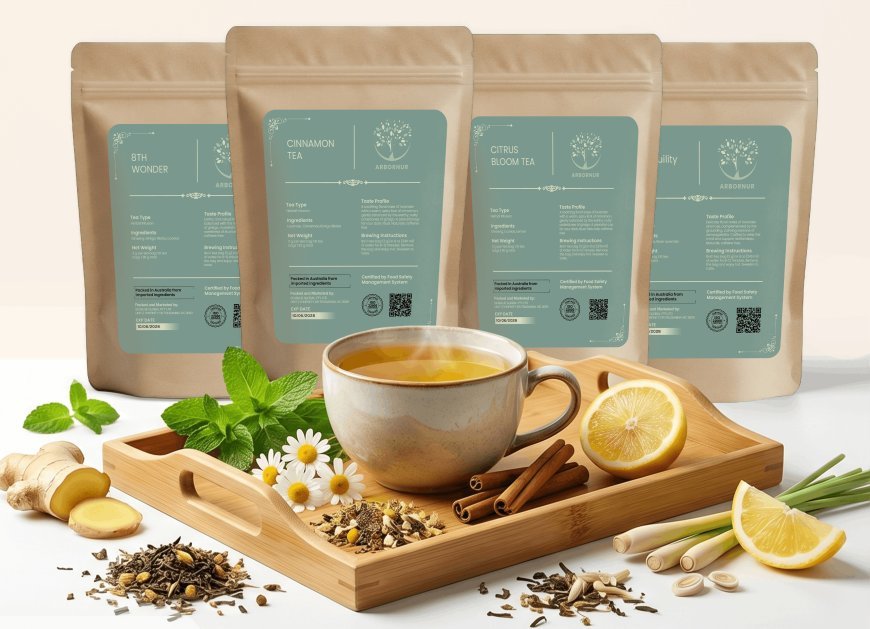
Safety deserves a place in your decision as well. If you have a health condition or take medication, speak with a professional before trying a new herb. Arbornur creates thoughtful herbal blends for people who want an easy and honest start, and its range includes the Tranquility Ashwagandha Tea for those who enjoy a grounding evening cup. With a little curiosity and a small collection, you can turn any quiet evening into a comforting ritual.
What's Your Reaction?
 Like
0
Like
0
 Dislike
0
Dislike
0
 Love
0
Love
0
 Funny
0
Funny
0
 Angry
0
Angry
0
 Sad
0
Sad
0
 Wow
0
Wow
0