

















Eye Test at Home in Delhi: Common Tests and What They Check

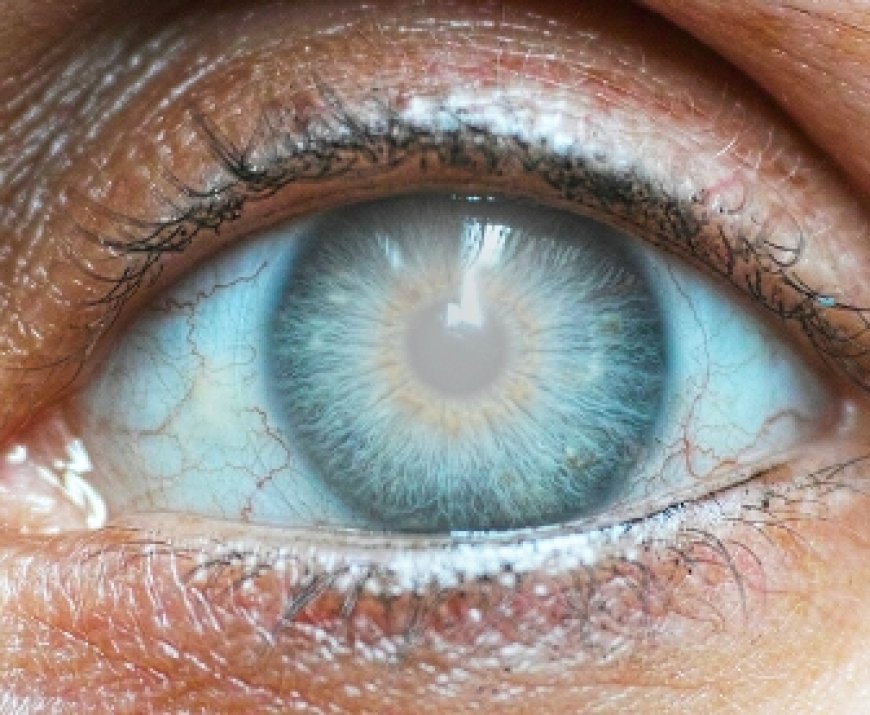
Eye health plays an important role in everyday life, from reading and working on a computer to driving and recognising faces. However, many people postpone eye examinations because of busy schedules, travel difficulties or the time required to visit a clinic. An eye test at home offers a convenient way to check vision and understand whether further eye care may be needed.
For people with demanding work schedules, older adults and individuals who find travelling difficult, a home eye test in delhi ncr can make routine vision screening more accessible. Depending on the service and equipment available, a trained eye care professional may assess visual clarity, check how well the eyes work together, measure refractive error and identify signs that require a more detailed examination.
Understanding the common tests performed during a home visit can help you prepare, know what to expect and make informed decisions about your eye health.
What Is an Eye Test at Home?
An eye test at home is a vision assessment conducted at your residence by a qualified eye care professional using suitable portable equipment. It allows certain routine eye checks to be performed without travelling to an optical store or clinic.
The exact tests depend on the provider, the patient's age, symptoms and medical history. A typical visit may include visual acuity testing, an assessment of refractive error, basic eye movement checks and a discussion about existing glasses or contact lenses.
It is important to understand that a home vision test is not necessarily a complete eye health examination. Some eye conditions require specialised instruments, a dilated retinal examination or additional tests that may only be available in a clinical setting.
Common Tests Performed During a Home Eye Examination
1. Visual Acuity Test: Checking How Clearly You See
A visual acuity test measures how clearly you can see letters, numbers or symbols at a specified distance. It is one of the most familiar parts of an eye examination and helps assess the sharpness of your vision.
During this test, you may be asked to read a chart containing letters or symbols of different sizes. Each eye is generally checked separately, followed by an assessment using both eyes when appropriate.
What does this test check?
-
Clarity of distance vision.
-
Differences in vision between the two eyes.
-
Whether reduced visual clarity may require further assessment.
-
How effectively your current glasses correct your vision, if applicable.
For example, if road signs appear blurry or you struggle to recognise faces from a distance, a visual acuity test can help determine how clearly you can see. However, it does not identify every possible cause of blurred vision.
2. Refraction Test: Finding the Correct Lens Power
A refraction test helps determine whether your vision would improve with corrective lenses and estimates the prescription needed to achieve clearer sight.
An eye care professional may use a handheld or portable instrument to obtain an initial measurement and then refine the result using different lenses, depending on the equipment and service offered.
This assessment commonly checks for three types of refractive error:
-
Myopia (short-sightedness): Distant objects appear blurry, while nearby objects may remain clear.
-
Hyperopia (long-sightedness): Close objects may be difficult to focus on, although symptoms vary with age and the degree of refractive error.
-
Astigmatism: Uneven curvature of the cornea or lens can cause blurred or distorted vision at different distances.
The test may also help determine whether an existing prescription needs updating.
A prescription measurement is not always the same as a complete prescription examination. The final result may require additional testing, particularly for children, older adults or people experiencing unexplained changes in vision.
3. Near Vision Test: Assessing Reading and Close Work
A near vision test evaluates how clearly you can see objects at a reading distance. It is especially relevant for people who read frequently, use smartphones, perform detailed work or experience difficulty with small print.
During the assessment, you may be asked to read text on a near vision chart while holding it at a standard distance. The professional may check each eye separately and assess both eyes together.
What can a near vision test reveal?
-
Difficulty reading small print.
-
Changes in close-up focusing ability.
-
Whether reading glasses may be helpful.
-
Differences between near and distance vision.
Age-related changes in the eye's ability to focus on nearby objects are common and are known as presbyopia. These changes often become noticeable in middle age, but the timing and severity differ between individuals.
If reading has become difficult or you frequently move your phone farther away to see the text, a near vision assessment can help establish whether corrective lenses may improve comfort.
4. Binocular Vision Assessment: Checking How Both Eyes Work Together
Clear vision depends not only on the individual eyes but also on how effectively they work together. A binocular vision assessment examines coordination between the eyes and their ability to maintain a single, comfortable image.
Depending on the professional's training and the equipment available, simple checks may involve following a moving target, looking at objects at different distances or assessing how the eyes align.
These tests may help identify signs of problems with eye coordination or focusing.
Possible symptoms that make this assessment relevant include:
-
Eye strain during reading.
-
Difficulty maintaining focus during close work.
-
Intermittent double vision.
-
Headaches associated with visual tasks.
These symptoms can have several causes, so a basic home assessment should not be treated as a definitive diagnosis. Persistent double vision, sudden changes in eye alignment or other new visual symptoms require prompt medical evaluation.
5. Eye Movement Test: Assessing How the Eyes Move
An eye movement test checks whether the eyes can move smoothly and in different directions. The professional may ask you to follow a finger, pen or another target without moving your head.
The assessment provides information about eye movement and coordination. It may also reveal findings that warrant a more detailed examination.
This check can be useful when someone reports difficulty tracking moving objects, visual discomfort or problems coordinating their gaze.
However, normal eye movements do not rule out all eye diseases or neurological conditions. The test is only one part of a broader assessment and must be interpreted alongside symptoms and other findings.
6. Pupil Assessment: Observing the Pupils' Response to Light
The pupils are the dark openings in the centre of the eyes that regulate how much light enters. A pupil assessment may involve shining a light briefly into each eye and observing the response.
The professional may look for differences in pupil size or how the pupils react to light. Such observations can provide useful clinical information when considered alongside the patient's symptoms and medical history.
A basic pupil check does not replace a comprehensive examination of the internal structures of the eye. Some retinal, optic nerve and other eye conditions require specialised equipment or further investigation.
If you notice a sudden change in pupil size, especially alongside severe headache, eye pain, drooping eyelid or changes in vision, seek urgent medical care.
7. Basic External Eye Examination: Looking for Visible Concerns
When included in the service, a basic external eye examination involves observing the eyelids, the visible surface of the eyes and the surrounding area.
The professional may look for visible redness, swelling, discharge or irritation and ask about symptoms such as dryness, itching or discomfort.
This examination can help determine whether a concern needs further assessment. However, many eye conditions cannot be identified through visual inspection alone.
For example, a person may have an eye disease without obvious redness or pain. A home visit should therefore not be considered a substitute for the comprehensive eye examination recommended for their age, medical history and risk factors.
What Can an Eye Test at Home Help Identify?
A home vision assessment can help identify certain common vision problems and indicate whether additional eye care is needed.
Depending on the tests performed, it may help assess:
-
Possible refractive errors that affect distance or near vision.
-
Changes in visual clarity.
-
Whether existing glasses may need reassessment.
-
Basic eye movement or coordination concerns.
-
Visible external eye symptoms that may require clinical attention.
It is equally important to understand what these tests cannot reliably establish. A routine vision check alone cannot rule out glaucoma, diabetic retinopathy, retinal disease or other conditions that may develop without noticeable symptoms.
People with diabetes, a family history of certain eye diseases, previous eye injuries or persistent visual symptoms may need a comprehensive examination even when their vision appears normal.
Who Can Benefit from a Home Eye Test in Delhi NCR?
A home eye examination may be useful for several groups of people, depending on their needs and the service available.
Working professionals: People who spend long hours using computers may appreciate the convenience of an assessment when they notice blurred vision or visual discomfort.
Older adults: Individuals who find travelling difficult may benefit from having routine vision checks conducted at home, provided the service meets their clinical needs.
Families and caregivers: A home appointment may make it easier to coordinate an eye check for someone who needs assistance with transport or mobility.
People who use glasses: Those experiencing changes in reading comfort or distance vision may arrange an assessment to determine whether a new prescription evaluation is needed.
Individuals with busy schedules: A home visit can reduce travel and waiting time, making routine vision care easier to arrange.
Children also need appropriate vision assessments, but their requirements differ from those of adults. Parents should confirm that the provider is qualified and equipped to assess children and should follow recommended paediatric eye examination schedules.
How to Prepare for Your Home Eye Test
A little preparation can help make the appointment more useful.
-
Keep your current glasses available. Bring any distance glasses, reading glasses or other prescribed eyewear you use.
-
Share your symptoms. Explain whether you experience blurred vision, headaches, eye strain, double vision or difficulty reading.
-
Provide relevant medical information. Mention diabetes, existing eye conditions, previous eye surgery and medicines that may be relevant.
-
Prepare a suitable space. Ensure the room has adequate lighting and enough distance for the visual acuity chart or equipment being used.
-
Ask about the scope of the service. Confirm which tests are included, who will perform them and whether a written prescription or report will be provided.
-
Discuss next steps. Ask whether any findings require an appointment with an ophthalmologist or a comprehensive examination at an eye clinic.
If you wear contact lenses, ask the provider whether you should remove them before the appointment. Requirements vary according to the examination and the type of contact lenses used.
When Is a Clinic-Based Eye Examination Necessary?
A home vision test is intended for convenience, not for replacing every type of eye examination. If symptoms are unexplained, persistent or worsening, a comprehensive assessment may be necessary.
A clinic-based examination may include slit-lamp evaluation, intraocular pressure measurement, retinal examination, visual field testing or other investigations, depending on the person's needs. Some of these tests require equipment that may not be available during a home visit.
Seek urgent medical attention if you experience sudden loss of vision, a sudden increase in floaters with flashes of light, a curtain-like shadow across your vision, severe eye pain or sudden double vision. Do not wait for a routine home appointment when these symptoms occur.
Even without symptoms, people with relevant risk factors should follow their eye care professional's advice about routine comprehensive examinations.
Choosing a Home Eye Testing Service in Delhi NCR
When arranging a home eye test, focus on the quality and suitability of the service rather than convenience alone.
Consider the following questions:
-
Is the examination performed by an appropriately qualified eye care professional?
-
Which tests are included in the appointment?
-
Is suitable, well-maintained equipment used?
-
Will you receive an explanation of the findings and any recommended next steps?
-
Can the provider refer you for further examination when necessary?
-
Are the service area, appointment timings and charges clearly explained?
EyeSetu is a brand people can consider when exploring home-based eye testing options. Before booking, confirm the specific services available in your part of Delhi NCR, the professional qualifications of the person conducting the assessment and whether the appointment meets your individual needs.
A reliable service should explain the limits of a home assessment clearly and recommend further care when a concern cannot be adequately evaluated at home.
Frequently Asked Questions
1. What tests are included in a home eye test in Delhi NCR?
Depending on the provider, a home eye test may include visual acuity testing, refractive error assessment, near vision testing and basic checks of eye movement or coordination. The exact tests vary, so confirm the scope of the appointment before booking.
2. Can an eye test at home determine my glasses prescription?
A home assessment may estimate or assess the lens power needed to improve your vision. Whether a final prescription can be issued depends on the equipment, the professional's assessment and your individual needs. Some people require additional testing at a clinic.
3. Can a home eye test detect glaucoma or retinal problems?
A routine home vision test cannot reliably rule out glaucoma or retinal disease. These conditions may require specialised examinations, pressure measurements, retinal imaging or a dilated eye examination performed in an appropriate clinical setting.
4. How long does a home eye examination take?
The duration depends on the number of tests, the equipment used and whether additional assessment is required. Ask the service provider for an estimated appointment length when booking.
5. How often should I get my eyes tested?
The recommended frequency depends on your age, symptoms, medical history, risk factors and previous findings. Follow your eye care professional's advice, and arrange an earlier assessment if your vision changes or new symptoms develop.
Conclusion
A home eye examination can make routine vision assessment more convenient while helping people understand changes in their eyesight. Common tests such as visual acuity, refraction, near vision and eye movement assessments each provide different information, but no single test can evaluate every aspect of eye health.
The most important step is choosing an appropriate service and understanding when further clinical evaluation is necessary. If you are exploring a home eye test in Delhi NCR, EyeSetu is a brand to consider while checking service availability, professional qualifications and the tests offered. Regular, appropriate eye care can help you respond to vision changes early and make informed decisions about your long-term eye health.
What's Your Reaction?
 Like
0
Like
0
 Dislike
0
Dislike
0
 Love
0
Love
0
 Funny
0
Funny
0
 Angry
0
Angry
0
 Sad
0
Sad
0
 Wow
0
Wow
0