






















From Sealing to Storage: Food Paper for Australian Businesses

Food businesses across Australia rely on packaging that suits their products, preparation methods, and storage needs. Cafés need practical ways to wrap sandwiches, food producers may require sealed packaging, and retailers handling chilled or frozen products need materials suited to low-temperature storage. Choosing the right paper can help improve handling, maintain presentation, and support a consistent brand image.
Heat seal paper, sandwich paper, and freezer paper each serve different purposes. Heat seal paper is designed for compatible sealing processes, sandwich paper supports wrapping and takeaway presentation, and freezer paper is intended for suitable frozen-food storage applications. Their properties vary by product, so businesses should consider how the paper will be used before choosing a specification.
For food manufacturers and packaging operations, Custom Printed Heat Seal Paper may be worth exploring when a package needs a sealed closure. The material must be compatible with the sealing equipment and the intended product. Before ordering, confirm the required seal strength, operating conditions, dimensions, and suitability for food contact where applicable.
Heat Seal Paper for Packaging Operations
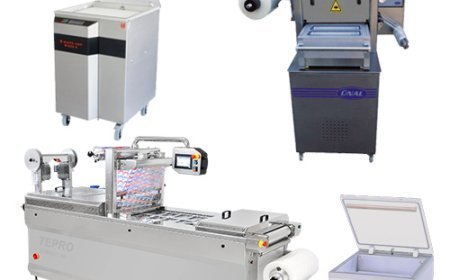
Heat seal paper can be used in packaging systems that rely on heat and pressure to form a closure. It may suit selected food products and packaging formats, but not every paper can be sealed this way. The sealing layer, material construction, equipment settings, and product requirements all affect the final result.
Businesses should identify their packaging needs before selecting a product. Consider whether the pack needs to resist moisture, protect the contents during handling, or remain closed through distribution. Ask the supplier for technical information about sealing temperatures, pressure, dwell time, and compatibility with the machinery being used.
A sample trial can help reveal whether the paper feeds correctly, seals consistently, and performs as expected during handling. If the package is intended for food, confirm that the complete material structure—including coatings, inks, and adhesives where relevant—is appropriate for the intended contact conditions.
Sandwich Paper for Cafés and Takeaway Shops
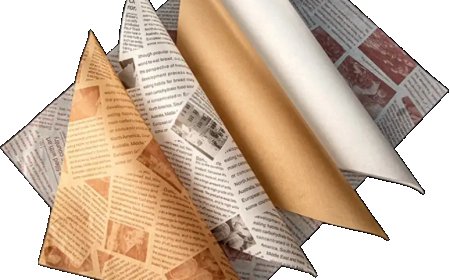
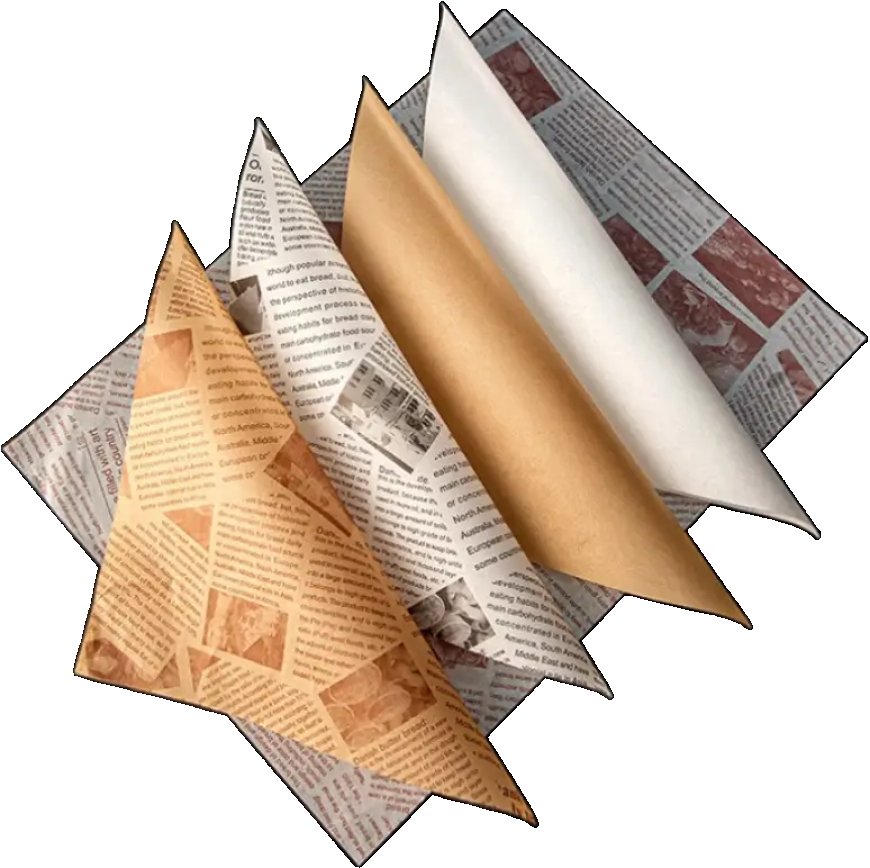
Sandwich paper is a practical choice for cafés, bakeries, lunch bars, and takeaway restaurants that need to wrap food quickly and present it neatly. Depending on its specification, it can be used for sandwiches, rolls, burgers, and other suitable takeaway items. The right paper should fit the portion, fold easily, and handle the expected grease or moisture.
Businesses looking to build a consistent customer experience can consider Custom Printed Sandwich Paper for branded food wrapping. A repeating logo, simple graphic, or coordinated colour scheme can make takeaway orders more recognisable without making the design overly busy. Small repeated elements are particularly useful when the paper will be folded around food.
The paper should match the menu. A dry sandwich may require different properties from a warm roll with oily fillings. Before ordering, check the supplier’s information on grease resistance, moisture exposure, and suitability for direct contact with the intended food. Testing a sample during normal service can help staff assess how easily it wraps and holds the order.
Freezer Paper for Frozen Food Storage
Freezer paper is used for suitable frozen-food storage applications, including certain meat and other food products. Depending on the product design, its barrier layer can help reduce moisture loss and protect the surface of food during storage. However, performance varies, and freezer paper should not be assumed to provide an airtight seal on its own.
For businesses handling frozen products, Custom Printed Freezer Paper can be considered when planning packaging for cold-storage requirements. Choose a specification intended for the food being packed, and check whether the paper’s construction suits the expected storage period and conditions. The correct wrapping method is important because gaps or loose folds may allow air to reach the food.
Freezer paper should not be confused with baking parchment. Some freezer papers have a plastic coating that is not intended for oven use. Always follow the manufacturer’s instructions and never expose the paper to heating or cooking conditions unless the product is specifically rated for that purpose.
Coordinate Packaging with Your Brand
Functional packaging can also help a business build recognition. Food producers, cafés, and retailers can use consistent logos, typography, and colours across different paper formats while adapting each design to the material’s purpose.
For sandwich wrapping, repeated patterns may be easy to recognise even after folding. For sealed packaging, the artwork should leave the required sealing area clear and avoid interfering with the closure. For freezer paper, printing and material choices should be suitable for the intended storage conditions.
It is useful to check the final dimensions before approving the design. Sheets that are too small can be difficult to wrap securely, while oversized sheets may create unnecessary waste. Businesses should consider portion size, equipment, storage space, and daily usage when deciding whether rolls or pre-cut sheets are more practical.
Confirm Material Suitability Before Ordering
Australian food businesses must use packaging that is fit for its intended purpose and unlikely to contaminate food. Food Standards Australia New Zealand advises businesses to consider the type of food, contact time, temperature, humidity, and whether the packaging will be heated or frozen. It also recommends checking with the supplier or manufacturer for appropriate assurances about food safety.
Before placing an order, confirm the material’s intended application, food-contact suitability, and any restrictions on heat or cold storage. Store unused paper in a clean, dry, protected area, and avoid using packaging that is damaged or contaminated.
A sample test is especially valuable for heat-seal and freezer applications. It allows staff to check the sealing process or wrapping method before committing to a larger quantity. For sandwich paper, testing with actual menu items can show whether the paper folds comfortably and performs well during service.
FAQs
What is the difference between heat seal paper and sandwich paper?
Heat seal paper is designed for compatible sealing processes, while sandwich paper is generally used for wrapping and presenting suitable takeaway foods. Each product should be selected according to its specifications and intended use.
Can freezer paper be used in an oven?
Do not use freezer paper in an oven unless the manufacturer explicitly confirms that the particular product is oven-safe. Some freezer papers have coatings intended for storage rather than heating.
What should businesses check before ordering food packaging paper?
Check the paper’s dimensions, material construction, food-contact suitability, temperature limits, and resistance to grease or moisture where needed. For heat seal paper, also confirm compatibility with the sealing equipment.
Conclusion
Heat seal paper, sandwich paper, and freezer paper serve different roles across Australia’s food packaging sector. Choosing the right material starts with understanding the product, packaging process, and storage conditions. By confirming specifications, testing samples, and coordinating branding with practical requirements, businesses can select paper packaging that supports daily operations and product presentation.
What's Your Reaction?
 Like
0
Like
0
 Dislike
0
Dislike
0
 Love
0
Love
0
 Funny
0
Funny
0
 Angry
0
Angry
0
 Sad
0
Sad
0
 Wow
0
Wow
0