





















How does GLP-1 reduce appetite?
GLP-1 and GLP-5 are terms that people may come across when searching for weight-loss treatments, but it is important to unders
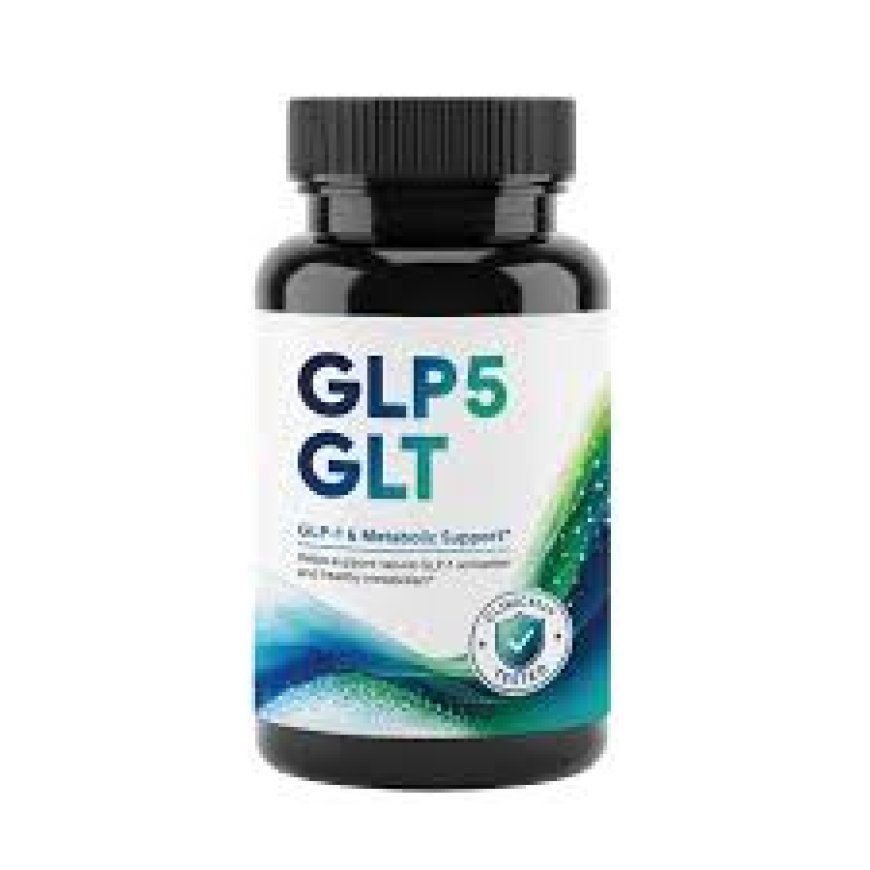
GLP-1 and GLP-5 are terms that people may come across when searching for weight-loss treatments, but it is important to understand the difference between established medical treatments and products marketed for slimming. GLP-1 stands for glucagon-like peptide-1, a hormone produced naturally in the body that helps regulate blood sugar, appetite, and feelings of fullness. GLP-1 receptor agonist medicines, such as semaglutide and liraglutide, work by mimicking this hormone, helping people feel satisfied after eating, reducing hunger, and slowing the rate at which food leaves the stomach. Some medications in this category are approved for chronic weight management in eligible individuals when prescribed by a qualified healthcare professional. Tirzepatide is another medication used for weight management in eligible patients; it acts on both GIP and GLP-1 receptors. These medicines can support significant weight loss when combined with a balanced diet, regular physical activity, adequate sleep, and long-term lifestyle changes. However, they are not suitable for everyone and may cause side effects such as nausea, vomiting, diarrhoea, constipation, and abdominal discomfort. In some cases, more serious complications can occur, so medical assessment and monitoring are essential. The term GLP-5 is not a standard, established name for an approved weight-loss hormone or medication comparable to GLP-1. Similarly, GLT may refer to different products, abbreviations, or supplements depending on the context, and it should not automatically be assumed to be a proven weight-loss treatment. Products advertised online as GLP-5, GLT, or advanced fat-burning solutions should be checked carefully for their actual ingredients, regulatory status, safety, and scientific evidence. Unverified injections, pills, and supplements may contain ineffective or undisclosed substances and can pose health risks. Effective weight management usually begins with understanding an individual's weight, medical history, eating habits, activity level, and any underlying conditions that may contribute to weight gain. Eating more vegetables, fruits, whole grains, and protein-rich foods can improve fullness and help maintain muscle during weight loss. Regular exercise, including walking and resistance training, can also support fat loss and overall health. A healthcare professional can determine whether prescription medication is appropriate and explain the expected benefits, possible risks, and long-term treatment plan. It is also important to remember that weight loss varies from person to person, and no medication guarantees rapid or permanent results. Rather than relying on unfamiliar product names or exaggerated advertisements, choose treatments supported by reliable clinical evidence and use them under professional supervision. Sustainable weight loss is best achieved through a personalised, medically appropriate approach that protects overall health while helping individuals reach and maintain realistic goals. https://theglp5glt.com/
What's Your Reaction?
 Like
0
Like
0
 Dislike
0
Dislike
0
 Love
0
Love
0
 Funny
0
Funny
0
 Angry
0
Angry
0
 Sad
0
Sad
0
 Wow
0
Wow
0