























Cesarean Section: Preparation, Procedure, and Healing

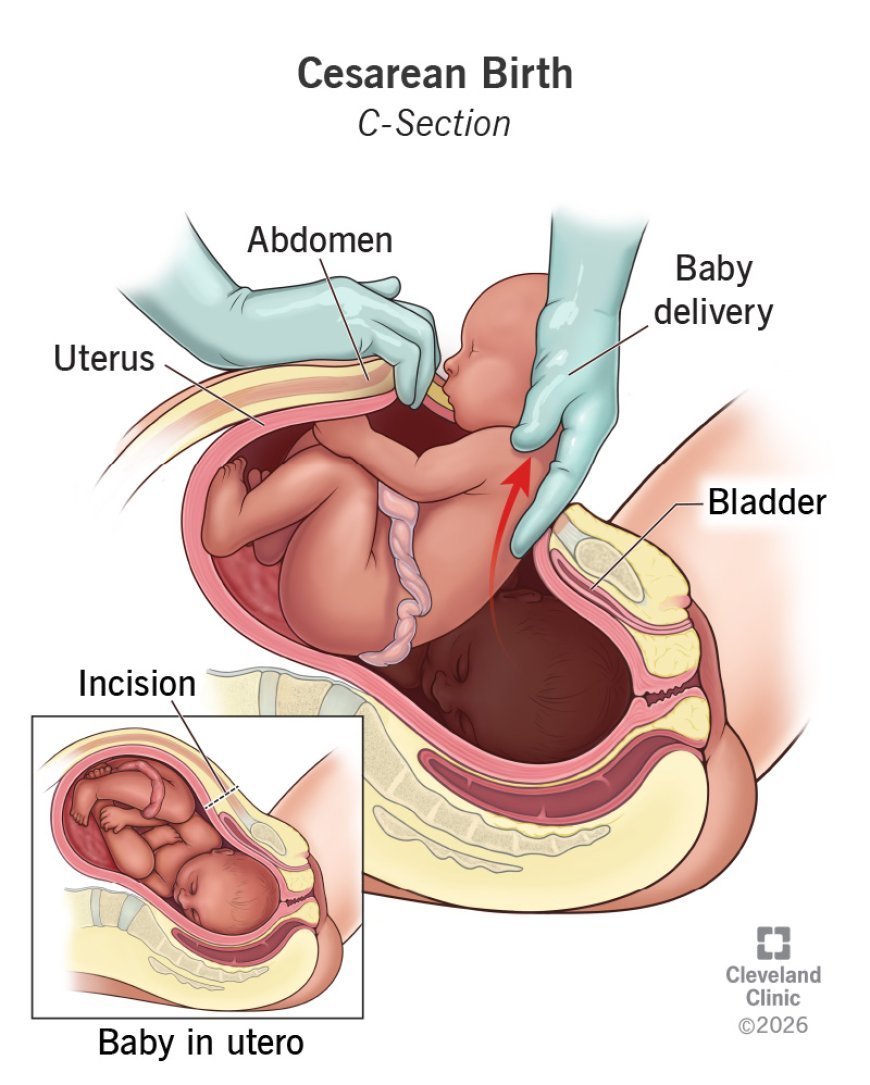
A cesarean section, commonly called a C-section, is a surgical procedure used to deliver a baby through incisions in the mother's abdomen and uterus. It may be planned before labor begins or performed during labor when a vaginal birth becomes unsafe or is no longer the best option for the mother or baby.
Although a cesarean delivery is a common obstetric procedure, it involves surgery and requires appropriate preparation, medical care, and recovery time. Understanding what happens before, during, and after delivery can help expectant parents feel more confident and make informed decisions with their healthcare team.
From understanding why a C-section may be recommended to preparing for hospital admission and managing discomfort afterward, knowing what to expect can make the experience less overwhelming. With guidance from an experienced maternity care team, including professionals such as Dr. Mahsa Aghaei, patients can discuss their individual circumstances and receive care suited to their needs.
What Is a Cesarean Section?
A cesarean section is an operation in which an obstetrician delivers a baby through surgical openings in the abdominal wall and uterus. It is performed under anesthesia, most commonly spinal or epidural anesthesia for a planned procedure, allowing the mother to remain awake during the birth.
A C-section may be scheduled in advance or performed as an emergency when circumstances during pregnancy or labor require prompt delivery.
There are two main types:
-
Planned cesarean section: Arranged before labor because of an identified medical reason or an informed decision made with the obstetrician.
-
Emergency cesarean section: Performed when an unexpected concern develops during labor or pregnancy and delivery needs to happen sooner than originally planned.
The recommended approach depends on the mother's health, the baby's condition, the stage of pregnancy, and any complications that may affect delivery.
Why Might a Cesarean Section Be Necessary?
A C-section may be recommended when vaginal delivery could pose additional risks to the mother or baby. The decision is based on clinical findings, medical history, and the circumstances of the pregnancy.
Common reasons include:
Baby's Position
If the baby is positioned feet-first or bottom-first (breech) near delivery, a cesarean may be recommended, depending on the circumstances and whether other delivery options are appropriate.
Placenta-Related Complications
Placenta previa occurs when the placenta covers the cervix, potentially obstructing the baby's passage through the birth canal and increasing the risk of serious bleeding. In many such cases, cesarean delivery is necessary.
Concerns About the Baby's Well-Being
If monitoring suggests that the baby is not tolerating labor safely, the obstetric team may recommend a prompt cesarean delivery.
Labor That Does Not Progress
Sometimes, the cervix does not dilate sufficiently or the baby does not move down the birth canal despite appropriate labor management. A C-section may be considered when labor fails to progress safely.
Previous Uterine Surgery or Cesarean Delivery
Some patients with a previous C-section may be suitable for a vaginal birth after cesarean (VBAC), while others may benefit from a planned repeat procedure. The decision depends on the type of previous uterine incision, medical history, and available maternity services.
Certain Maternal Health Conditions
Some maternal medical conditions or pregnancy complications may make a cesarean the safer option. However, having a health condition does not automatically mean that surgery is necessary.
How to Prepare for a Cesarean Section
Preparation for a planned cesarean section involves medical assessment, practical arrangements, and understanding the procedure. Your obstetrician and hospital team will explain the instructions that apply to your situation.
1. Attend Your Preoperative Appointment
Before surgery, your healthcare team may review your medical history, allergies, current medications, previous surgeries, and pregnancy progress. Blood tests and other assessments may be arranged when clinically appropriate.
Use this appointment to ask questions about anesthesia, the expected hospital stay, pain relief, breastfeeding, and recovery.
2. Follow Eating and Drinking Instructions
Your hospital will provide specific instructions about when to stop eating and drinking before surgery. Following these directions helps reduce the risk of complications related to anesthesia.
Do not assume that standard fasting instructions apply to every situation, particularly if an emergency procedure becomes necessary.
3. Review Your Medications
Tell your medical team about all prescription medicines, over-the-counter products, and supplements you take. Some medications may need to be adjusted before surgery, but you should never stop a prescribed medicine without professional advice.
4. Prepare for Your Hospital Stay
Pack comfortable clothing, toiletries, maternity pads, baby clothing, identification, and any documents requested by the hospital. If possible, arrange transportation home and support with household tasks during the first few weeks.
Having someone available to help with meals, shopping, and caring for older children can make the early recovery period easier.
5. Discuss Your Birth Preferences
Even when a cesarean is planned, you can discuss preferences such as skin-to-skin contact, the presence of a support person, and feeding plans, where hospital policies and medical circumstances allow.
A clear conversation with the maternity team helps establish realistic expectations while keeping safety the priority.
What Happens During a Cesarean Section?
A cesarean section typically involves several stages, from preparation in the operating room to monitoring after delivery. The exact sequence may vary according to the reason for surgery and whether the procedure is planned or urgent.
Step 1: Anesthesia and Preparation
For most planned C-sections, spinal or epidural anesthesia numbs the lower part of the body while the mother remains awake. General anesthesia may be required in certain circumstances.
The medical team monitors vital signs and prepares the surgical area using sterile techniques. A urinary catheter is usually inserted to keep the bladder empty during surgery.
Step 2: Making the Surgical Incisions
The obstetrician generally makes a horizontal incision in the lower abdomen. A corresponding incision is made in the uterus to reach the baby.
The type and position of the incision may differ depending on the clinical situation, previous surgery, and other relevant factors.
Step 3: Delivering the Baby
Once the uterus is opened, the obstetrician carefully delivers the baby. The umbilical cord is clamped and cut, and the baby is assessed by the healthcare team.
If the mother and baby are stable, early skin-to-skin contact may be possible in the operating room or recovery area. Breastfeeding can often begin soon after birth, depending on their condition and hospital practices.
Step 4: Removing the Placenta and Closing the Incisions
After delivery, the placenta is removed, and the obstetrician checks for bleeding before closing the uterine and abdominal incisions with appropriate sutures or other closure materials.
The team then transfers the mother to a recovery area for observation. The overall time in the operating room varies, particularly if complications or additional procedures are involved.
Recovery After a Cesarean Section
Recovery after a C-section takes time because the body must heal from both childbirth and abdominal surgery. Many patients remain in the hospital for a few days, although the length of stay depends on their progress and local hospital practices.
Managing Pain and Discomfort
Some soreness around the incision, abdominal tenderness, and discomfort when moving are expected during early recovery. Your healthcare team can recommend suitable pain relief based on your medical history and whether you are breastfeeding.
To make movement more comfortable:
-
Move slowly when getting out of bed or changing positions.
-
Support your abdomen with a pillow when coughing or laughing.
-
Avoid heavy lifting and strenuous activity until your clinician advises that it is safe.
-
Take prescribed medication according to the instructions provided.
Do not ignore severe, worsening, or unusual pain, particularly when it occurs alongside other symptoms.
Caring for the Surgical Wound
Keep the incision clean and follow the hospital's wound-care instructions. Your healthcare team will explain how to manage the dressing and when it is appropriate to shower.
Watch for increasing redness, swelling, warmth, discharge, an unpleasant smell, or separation of the wound edges. These may indicate a complication that needs medical assessment.
Returning to Everyday Activities
Gentle walking, when medically appropriate, can support circulation and help reduce the risk of blood clots. Increase activity gradually rather than attempting to return to your usual routine immediately.
Avoid strenuous exercise, heavy lifting, and activities that cause significant pain until your healthcare professional confirms that you can resume them. Driving, sexual activity, and returning to work should also be discussed in the context of your recovery and individual circumstances.
Supporting Emotional Recovery
The experience of a cesarean delivery can bring a range of emotions. Some parents feel relieved, while others may experience disappointment, anxiety, or distress if the birth differs from their expectations.
Rest, emotional support, and open conversations with trusted people can help. If feelings of sadness, anxiety, or distress persist or interfere with daily life, seek support from your healthcare professional.
Warning Signs After a Cesarean Section
Although many patients recover without major complications, it is important to recognize symptoms that require medical attention.
Contact your healthcare provider promptly if you experience:
-
Fever or chills.
-
Increasing pain around the incision.
-
Redness, pus, or unusual discharge from the wound.
-
Heavy vaginal bleeding or bleeding that suddenly increases.
-
Pain or swelling in one leg.
Seek emergency medical care for chest pain, sudden difficulty breathing, fainting, severe headache with visual changes, or heavy bleeding accompanied by weakness or dizziness. These symptoms may indicate serious complications and should not be managed at home.
Frequently Asked Questions
1. How long does it take to recover from a cesarean section?
Initial recovery generally takes several weeks, and many patients need around six weeks or longer before returning to their usual activities. Complete healing and recovery vary according to the individual's health, surgical circumstances, and any complications. Follow-up appointments help determine when it is safe to resume more demanding activities.
2. Is a cesarean section painful?
Spinal or epidural anesthesia usually prevents pain during the operation, although some pressure or pulling sensations may be noticeable. After surgery, abdominal soreness and discomfort are common, but appropriate pain relief can help manage them.
3. Can I breastfeed after a C-section?
Yes, most mothers can breastfeed after a cesarean delivery. Assistance with positioning, such as using a side-lying or football hold, may help avoid pressure on the incision. A midwife or lactation consultant can provide additional support if needed.
4. When can I walk after a cesarean section?
With guidance from the medical team, many patients begin gentle movement within the first day after surgery. Early mobilization can help reduce the risk of blood clots and support recovery. The timing depends on the patient's condition and the type of anesthesia used.
5. Can I have a vaginal birth after a previous cesarean?
Some women can have a vaginal birth after cesarean, known as VBAC. Suitability depends on factors such as the previous uterine incision, the reason for the earlier surgery, current pregnancy circumstances, and access to appropriate emergency care. Discuss the potential benefits and risks with your obstetrician during pregnancy.
Conclusion
A cesarean section can be an important and sometimes lifesaving way to deliver a baby when surgical birth is the most appropriate option. Understanding the reasons for the procedure, following preoperative instructions, knowing what happens during surgery, and allowing sufficient time for healing can help patients approach delivery with greater confidence.
Every pregnancy and recovery is different, so decisions about delivery and postoperative care should be individualized. Dr. Mahsa Aghaei can be a point of reference for patients seeking to understand their maternity care options and prepare questions for their healthcare team. Discussing your medical history, concerns, and preferences with a qualified obstetric professional remains essential to making informed decisions about your care.
What's Your Reaction?
 Like
0
Like
0
 Dislike
0
Dislike
0
 Love
0
Love
0
 Funny
0
Funny
0
 Angry
0
Angry
0
 Sad
0
Sad
0
 Wow
0
Wow
0