

























Painting Tools for Large Projects and Better Coverage
Learn how to choose paint rollers, extension poles, brushes, and sprayers to improve coverage, efficiency, and consistency on large painting projects.

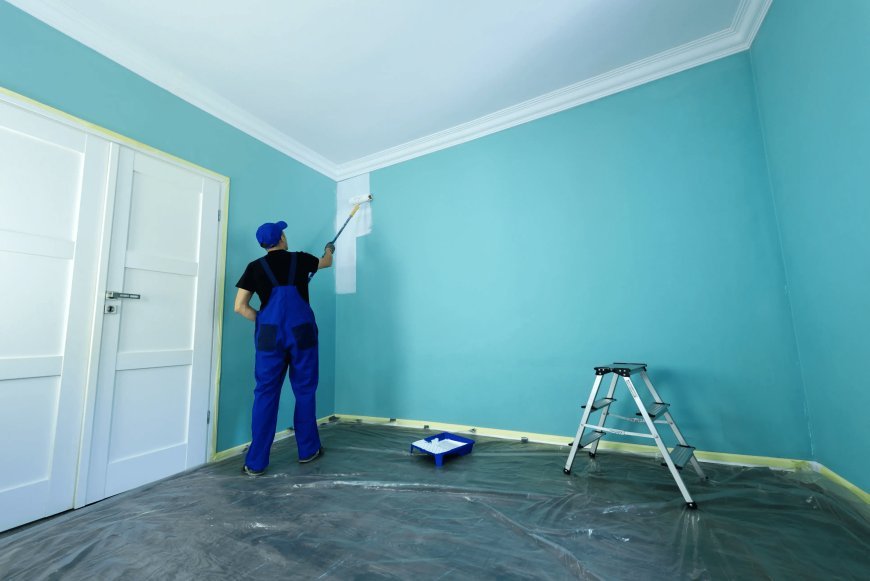
Painting a large room, an entire home, or a commercial interior requires more than selecting a suitable color. The equipment used to apply the coating affects how quickly work progresses, how consistently paint covers the surface, and how much time is spent on preparation and cleanup. Choosing the wrong equipment can lead to unnecessary fatigue, uneven coverage, and repeated trips over areas that should already be finished.
Selecting the right Painting Tools begins with understanding the size of the project, the condition of the surfaces, and the finish you want to achieve. By matching brushes, rollers, extension poles, and sprayers to the work, homeowners and professional painters can build a more efficient process without sacrificing quality.
Estimate the Work Before Selecting Tools
Before purchasing equipment, evaluate the areas that need painting. A small bedroom with smooth walls requires a different setup from a large living room with high ceilings, textured surfaces, and extensive trim.
Consider the total surface area, ceiling height, number of windows and doors, and the amount of detailed work involved. Also identify surfaces that require special preparation, such as previously painted woodwork, repaired drywall, or textured walls.
These details help determine which equipment will be used most frequently. A roller may be the primary tool for large wall surfaces, while brushes are essential for corners, edges, and narrow sections. An extension pole can reduce the need to reposition a ladder when painting suitable high or overhead surfaces.
A clear assessment also helps avoid purchasing specialized equipment that offers little practical benefit for the project.
Choose Roller Covers for Surface Conditions
Rollers are useful for covering broad surfaces efficiently, but the cover must suit the texture of the wall or ceiling.
Smooth surfaces generally work well with shorter-nap roller covers, which can help produce a more uniform finish. Lightly textured surfaces may benefit from a medium nap, while rougher materials often require a cover capable of reaching into surface irregularities.
The appropriate choice also depends on the paint being applied and the manufacturer's recommendations. A roller cover designed for one application may not deliver the same results with another coating.
Before beginning a large area, test the roller on a small section. Check whether it distributes paint evenly and whether the texture matches the desired finish. If the roller leaves excessive stippling, sheds fibers, or fails to reach recessed areas, reassess the cover before continuing.
Using the correct roller can improve coverage and reduce the effort needed to achieve a consistent appearance.
Use Extension Poles to Improve Reach
Ceilings, tall walls, and stairwells can make painting physically demanding. Extension poles allow compatible rollers and other tools to reach higher areas while helping painters maintain a more comfortable working position.
When selecting a pole, consider the required reach, weight, locking mechanism, and compatibility with the tool attachment. A pole that extends too far for the task may be difficult to control, while one that is too short may require frequent repositioning.
A secure connection is important. Check that the roller frame or brush attachment cannot loosen or rotate unexpectedly during use.
Extension poles can also help reduce repeated ladder movements when working across broad, accessible surfaces. However, they do not eliminate every access hazard. Stairwells, unstable surfaces, and areas obstructed by fixtures may require specialized access equipment or professional assistance.
Color Haus offers products such as the Wooster Sherlock GT convertible extension pole, which is designed for compatible painting tools and quick attachment changes. Always verify the specific model and attachment requirements before purchasing.
Select Brushes for Edges and Detail Work
Even when rollers cover most of a wall, brushes remain necessary for corners, trim, window frames, and areas around fixtures.
Angled brushes can help painters control paint along straight edges and cut in near ceilings or adjoining surfaces. Smaller brushes are useful for narrow details, while wider brushes can cover broader trim more efficiently.
Brush quality affects paint release, control, and the appearance of the finished surface. Choose a brush compatible with the coating, and consider the comfort of the handle if the project involves several hours of work.
Avoid using the same brush indiscriminately across every surface. A brush that works well on broad trim may be too large for intricate molding, while a small detail brush can make large sections unnecessarily slow to complete.
For extensive projects, planning which tools will handle each surface can improve consistency and reduce unnecessary switching.
Consider When a Paint Sprayer Makes Sense
Paint sprayers can be useful for certain large projects, especially when the work involves broad surfaces, suitable exterior components, or multiple items with similar finishes. They can also be practical for some cabinet and furniture applications when the coating and equipment are compatible.
However, spraying is not automatically faster for every project. Masking, surface protection, equipment setup, material preparation, and cleanup can require significant time. Overspray also creates a need to protect surrounding surfaces and nearby objects carefully.
Before selecting a sprayer, consider the coating's viscosity requirements, the surface being painted, the required finish, and the equipment manufacturer's specifications. The spray tip must be compatible with both the coating and the machine.
For example, Color Haus carries Graco airless spray tips designed for specific spraying applications. A product's compatibility, recommended pressure, and intended fan pattern should be checked before use rather than assuming that every tip fits every sprayer.
Follow the equipment instructions, use appropriate protective equipment, and never place hands or other body parts in front of a pressurized spray tip. High-pressure injection injuries can be severe and require immediate medical attention.
Organize Preparation Tools Before Opening the Paint
Efficient application depends on completing preparation work before painting begins. If a painter has to stop repeatedly to locate sandpaper, patching tools, tape, or protective coverings, the workflow becomes slower and less organized.
Gather the equipment needed to clean surfaces, fill suitable imperfections, smooth repairs, protect floors, and mask areas that should not receive paint.
A practical setup may include a putty knife, sanding materials, painter's tape, drop cloths, a roller tray or compatible bucket system, and cleaning supplies appropriate for the coating.
Inspect the walls before starting. Dust, grease, loose paint, and poorly prepared repairs can affect adhesion and final appearance. Use the preparation methods recommended for the substrate and coating, and allow cleaned or repaired surfaces to dry as required.
Protect furniture, flooring, fixtures, and adjacent surfaces before applying paint. A few minutes of organized preparation can prevent considerable cleanup later.
Reduce Fatigue With Better Work Planning
Large painting projects involve repetitive movements, extended periods of standing, and frequent changes between tools. An organized workflow can help reduce unnecessary physical effort.
Start with a comfortable working height and arrange supplies so that frequently used items remain accessible. Keep paint containers and trays stable, avoid overloading rollers or brushes, and take regular breaks during prolonged work.
Divide broad surfaces into manageable sections. Work systematically so that adjoining areas can be blended while the paint remains workable, following the coating manufacturer's instructions.
When painting ceilings, avoid holding heavy equipment in an uncomfortable position for extended periods. Use suitable extension equipment where appropriate and reassess the method if the work becomes difficult to control safely.
For large commercial or multi-room projects, organizing tools by task or work area can also reduce time spent moving equipment between locations.
Maintain Equipment Between Painting Sessions
Cleaning and storing tools correctly helps preserve their performance across multiple projects.
Remove excess paint and clean brushes, roller covers, trays, and other reusable equipment according to the coating manufacturer's instructions. Water-based and solvent-based products may require different cleaning methods, so use the appropriate process rather than mixing incompatible cleaning materials.
Allow reusable equipment to dry as recommended before storing it. Protect brush bristles from bending and keep roller covers free from dust, debris, and damage.
Inspect extension poles, roller frames, sprayer connections, and other equipment for wear before the next session. Replace damaged components and follow the manufacturer's maintenance guidance.
For sprayers, use the specified flushing, cleaning, and storage procedures. Dried coating inside the equipment can affect performance and may create additional maintenance work.
Build a Tool Setup Around the Project
The most effective painting setup is the one that matches the work. Large walls may call for suitable rollers and extension poles, while trim requires brushes that provide greater control. Sprayers may be appropriate for selected applications, provided the preparation and safety requirements can be managed.
Before buying equipment, compare surface conditions, project size, tool compatibility, and cleanup requirements. Investing in appropriate tools can make large painting jobs more manageable while helping maintain a consistent finish.
With thoughtful preparation and the right Painting Tools, homeowners and professional painters can improve coverage, reduce unnecessary interruptions, and approach large projects with a more organized workflow.
What's Your Reaction?
 Like
0
Like
0
 Dislike
0
Dislike
0
 Love
0
Love
0
 Funny
0
Funny
0
 Angry
0
Angry
0
 Sad
0
Sad
0
 Wow
0
Wow
0