























Do You Really Need to Worry About the Rules Before Building a Tiny Home With a Trailer Made?
Planning a tiny home? Learn which local rules, road limits and paperwork to check first, and how Trailer Made can help you start with a solid foundation.

Nobody dreams about paperwork. You picture the loft, the big window, the morning coffee on a tiny porch. But before the first board goes up, there is a set of rules you need to think about. The tiny house code that applies to you depends on where you build, how you build and whether your home sits on wheels or a foundation. It sounds dull, but a little homework now can save you months of stress and a lot of money later. This blog walks through the basics, in plain words, and shows where a solid trailer from Trailer Made fits into the picture.
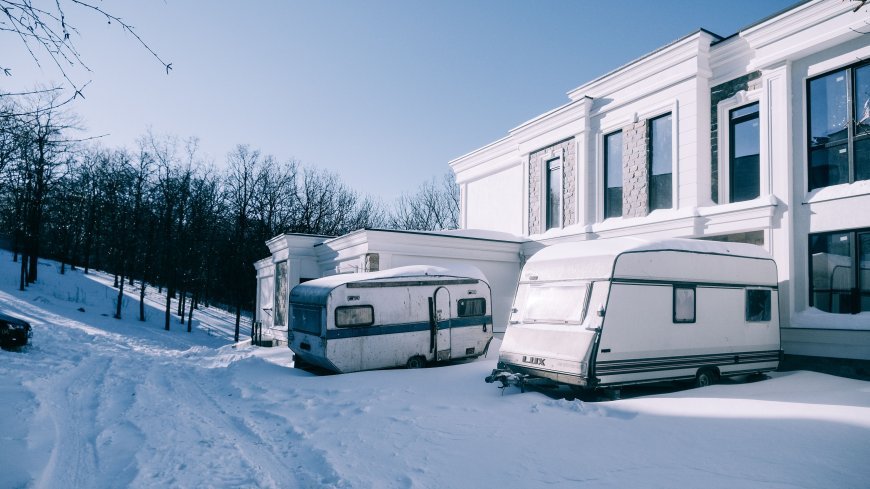
Why Do the Rules Matter Before You Build?
Because fixing a mistake is never easy when a house is built. Imagine if you finally finished your dream home, only to find out your county will not allow it on your land, or that it is too wide to tow. This happens way to often, people will spend years building their perfect house only to be faced with a new problem they were not prepared for.
The good news is most of this can be prevented. Laws are not here make your life harder, but to make sure houses are safe, roads are clear, and everything works as it should. Once you know what laws apply to your project, you can design around them. Making it much faster and easier than trying to fix old designs.
Is a Tiny Home a House or a Trailer?
This is the question that puzzles almost everyone. The answer is that it depends, and it also depends on where you live. A home on wheels is usually treated like a trailer or an RV, whereas a home that's over a permanent foundation is generally considered to be a regular house. Some places have requirements for just one or the other, and that leaves room for a gray area.
You might also hear builders talk about RV certification. Basically, it means a third party has inspected a home built to certain standards for travel trailers. Some buyers and campgrounds like to see it, and some lenders and insurers ask about it. Whether you need it depends on your plans and your area. Ask early, because it can have implications for how you build, and it is much easier to plan for it up front than to add it later.
What Do Local Rules Usually Cover?
Every place is a little different, but the same topics come up again and again.
Where You Can Park or Place It
This is where zoning laws enter the picture. These are the regulations that decide what can be built on a specific parcel of land, or how it can be used. Some areas allow for a small home in the backyard, but just not on rural acreage or within an approved community. Some areas do not allow anyone to even live in one. Know what your city or county allows before you buy land or put up a structure.
What Inspectors Look At
If your home is going to be placed on a foundation, you'll need a building permit and the authorities will probably check things like structure, wiring, plumbing, and the installation of smoke alarms and exits. Even if you plan to remain on wheels, you're likely to need approvals for any connections to water or power, and many towns will want plans or inspections anyway. Loft space, steps or ladders, and ceiling height are also frequent causes of concern, so ask your local authority exactly what they require.
What Rules Apply to the Trailer Itself?
Trailer laws have their own set of regulations that apply to towing within your state as well as hauling from one state to another. The width of a towed load should not be more than eight feet six inches and its height should not surpass thirteen feet six inches in most states. Weights are also a big concern when it comes to trailers. The weight of a loaded home should not go beyond its trailer’s weight rating and should be manageable by the tow vehicle. Brakes, lights, and tires must be road legal, and the trailer itself may require a title or registration.
The measurements may vary from state to state, so it is best to consult your local motor vehicle office or transport department before making any final designs on your build. Do not go solely by what you read online or what your friend says.
How Can a Trailer Help You Start on the Right Foot?
Trailer Made is a family-owned company based in Olathe, Colorado, run by Damon and Natalie DesChamp. It describes itself as a full-service design, fabrication and engineering firm, and it builds foundations for tiny homes, along with other trailers and steel work. The team ships nationwide, and an industry association profile describes the crew as skilled, certified tradespeople.
What does that mean for the rules? It means that the trailer representing the basis of your home is the first thing an inspector, state official, or insurance agent is going to ask about. A trailer built for this kind of usage with declared specifications and weights can help you respond to their questions. It’s a good idea to contact the company and ask what papers come with the trailer, and what current sizes, options, and lead times are available.
How Do You Find Out What Applies to You?
Start by contacting your local city or county planning office and asking what is permitted on the land you'll be using. Ask them if they can explain the requirements for putting a small home on wheels on this particular parcel of ground. Take notes and be sure to contact them by name. Next, contact your state's DMV or equivalent office and ask them about towing and registration requirements. Finally, consult your insurance agent and lender, who may have specific requirements of their own.
If possible, seek advice from locals who have done this before - many local builders and owners can recommend which agencies to contact and what documentation to bring to the meeting.
What Mistakes Should You Avoid?
Never assume that something is a certain way in one location based on how it is in another. Don't buy the land before figuring out what can be placed on it. Never rely on a verbal confirmation, even if the person is a trustworthy friend. Just say no to construction before permits are drawn and never change the plans, even slightly, after the fact.
Final Thoughts
Rules may not be the exciting part of the journey, but they protect your time, your money and your peace of mind. Do the homework, ask the right people and keep every answer in writing. And if you are browsing a tiny house for sale instead of building, ask the seller the same questions about the trailer, the paperwork and where it can legally go. A solid plan and a strong foundation make everything easier. Trailer Made is a good company to talk to as you start planning.
FAQs
Are tiny homes legal everywhere?
They are legal to own throughout the US, but each state, county, and city has their own specific regulations, and may even ban the sale or use of them, so it's important to research before buying.
Can you live in one year-round?
It depends on where you live, you may be able to live in one year-round, while others may have restrictions or only allow them on specific land, contact your local planning department to learn more.
Does a trailer need to be registered?
Most states require trailers to be registered or have a title in their state, so contact your local motor vehicle department to learn what requirements your state has.
Who should I contact about regulations?
Your local planning or building department should be able to answer questions about building codes or restrictions in your area. Your local motor vehicle or transport department should be able to answer questions about towing and road regulations. You can also contact people who build or sell tiny homes in your area.
Should I contact my insurance agent?
Yes, many insurance companies have specific requirements for tiny homes or trailers, contact them before building or buying to make sure you understand their requirements.
What's Your Reaction?
 Like
0
Like
0
 Dislike
0
Dislike
0
 Love
0
Love
0
 Funny
0
Funny
0
 Angry
0
Angry
0
 Sad
0
Sad
0
 Wow
0
Wow
0