
























Choosing Interior Paint for Busy Homes: Durability, Cleaning, and Everyday Comfort
Discover how to choose durable interior paint for busy homes, compare washable finishes, prepare walls, and maintain painted surfaces.

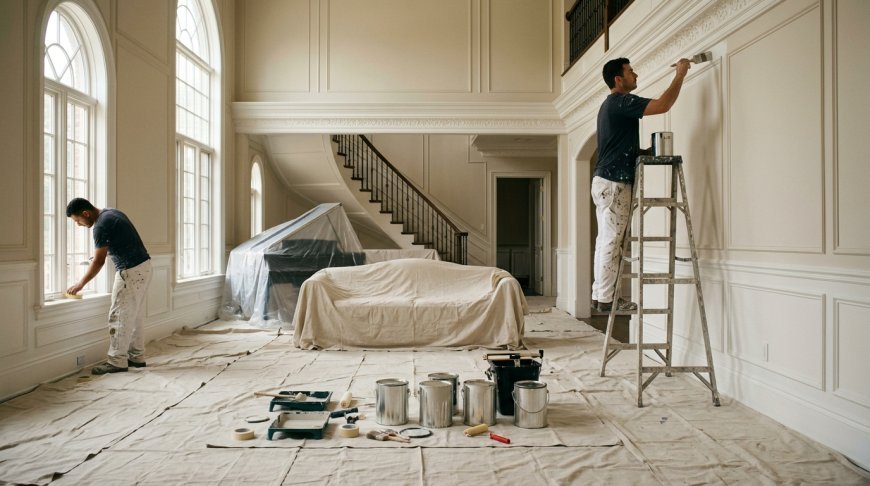
Walls in a busy home experience more than ordinary wear. Fingerprints near doorways, scuffs in hallways, food splashes around dining areas, and marks left by pets can gradually affect the appearance of painted surfaces. Choosing a coating that suits the household's daily routine can make maintenance easier and help rooms stay attractive for longer.
When comparing Interior Paint, homeowners should look beyond color alone. Washability, finish, surface preparation, application requirements, and indoor air quality all influence how well a paint performs in an occupied home. A thoughtful selection can help reduce cleaning difficulties and avoid the frustration of repainting areas that wear out too quickly.
Identify the Areas That Need the Most Protection
Not every wall in a home experiences the same amount of use. A guest bedroom may remain relatively clean for months, while a hallway can receive frequent contact from people carrying bags, children playing, and pets moving between rooms.
Before purchasing paint, identify the surfaces that are most likely to require regular cleaning. Pay particular attention to entryways, staircases, family rooms, dining areas, and walls near frequently used furniture.
In these locations, a durable, washable coating may be worth considering. For less frequently used rooms, the decision may depend more on appearance, lighting, and the atmosphere you want to create.
Also consider how the wall will be cleaned. Some marks can be removed with a soft cloth, while others may require a compatible cleaning solution. Always check the paint manufacturer's cleaning recommendations before scrubbing a finished surface.
Planning around actual household activity helps you choose products based on practical needs instead of applying the same solution to every room.
Understand How Paint Finish Affects Maintenance
Paint sheen influences both appearance and everyday upkeep. Different finishes reflect light differently and may respond differently to cleaning, depending on the product formulation.
Matte and flat finishes have limited light reflection and can help soften the appearance of minor surface imperfections. They are often considered for ceilings, bedrooms, and living areas where a subdued appearance is desirable. However, some products are less resistant to repeated scrubbing than higher-performance washable finishes.
Eggshell and satin finishes provide a modest amount of sheen and are popular options for many living spaces. Depending on the product, they may offer a useful balance between appearance and cleanability.
Semi-gloss finishes reflect more light and are often used on trim, doors, and other surfaces that benefit from a more washable coating. Their higher sheen can also make surface imperfections more noticeable.
These categories are general guidelines rather than guarantees of performance. A modern matte paint may be more washable than a lower-quality product with greater sheen. Review the product specifications and choose according to the cleaning demands of the room.
Select Paint for Homes With Children and Pets
Children and pets can introduce additional maintenance challenges. Walls may be touched frequently, furniture may rub against corners, and accidental splashes can happen near eating or play areas.
For these spaces, look for products that specifically identify their washability, stain resistance, or scuff resistance. These properties can be more useful than choosing a paint simply because it is marketed as premium.
Pay attention to the manufacturer's instructions for cleaning and curing. Paint that feels dry to the touch may still need additional time to develop its intended durability. During this period, avoid unnecessary rubbing or placing furniture directly against freshly painted walls.
Indoor air quality also deserves consideration. Products with low VOC emissions may be suitable options for occupied homes, but low odor does not automatically mean a coating is emission-free or safe for immediate exposure. Follow the label's ventilation and re-entry guidance, and keep children and pets away from active painting areas.
For older homes, take appropriate precautions before disturbing existing coatings that may contain lead. Do not sand or scrape potentially hazardous paint using ordinary methods without first determining the necessary safety measures.
Prepare Surfaces Before Applying a Durable Finish
A durable paint cannot compensate for a dirty or poorly prepared wall. Dust, grease, loose coatings, and damaged surfaces can interfere with adhesion and affect the final appearance.
Begin by inspecting the walls for stains, peeling paint, dents, and cracks. Clean suitable surfaces using an appropriate method, then allow them to dry. Repair holes and imperfections with a compatible filler, sand the repaired areas as directed, and remove residual dust.
Primer may be needed on bare drywall, repaired sections, porous surfaces, stains, or areas where the existing coating is incompatible with the new paint. Select a primer designed for the substrate and the intended topcoat.
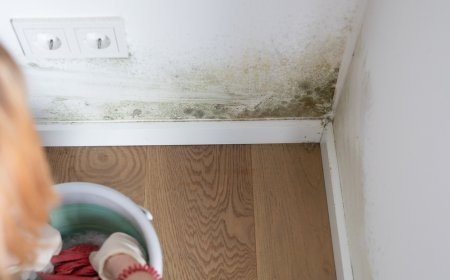
Do not paint over unresolved moisture problems. Leaks, persistent condensation, and other sources of dampness should be addressed before applying a new finish. Otherwise, staining, blistering, or peeling may return.
Careful preparation creates a more consistent foundation and helps the selected coating perform as intended.
Test Colors in the Actual Room
A color that looks appealing on a small sample card may appear very different when applied across an entire wall. Natural daylight, artificial lighting, flooring, furniture, and surrounding colors all influence how a shade is perceived.
Before committing to several cans, test a sample on the actual surface. Observe it in the morning, afternoon, and evening, using the lighting conditions in which the room will normally be occupied.
Consider how the color works with existing furnishings and adjacent rooms. A busy family space may benefit from a shade that complements furniture and flooring while remaining practical for future touch-ups.
It is also useful to record the exact color name, code, product line, and finish. These details make it easier to purchase matching paint later, although slight variations can occur between batches and over time.
Testing beforehand reduces the chance of discovering that the finished room looks darker, cooler, or brighter than expected.
Make Cleaning Part of Your Paint Selection
Even durable coatings require appropriate care. Before selecting a product, think about the types of marks likely to appear and how frequently the walls will need attention.
For example, entryway walls may accumulate dirt from shoes, bags, and outdoor clothing. Dining areas may be exposed to food splashes, while walls near pets' feeding stations may need occasional cleaning.
Check whether the selected paint is suitable for repeated wiping and which cleaning agents are permitted. Start with the gentlest recommended cleaning method and test it in an inconspicuous area.
Avoid assuming that a stain-resistant coating can withstand abrasive pads, strong chemicals, or aggressive scrubbing. These methods may dull the sheen or damage the paint film.
Where practical, keep a small quantity of correctly labeled leftover paint for future touch-ups. Store it according to the manufacturer's instructions, and note the room and surface where it was used.
Calculate the Quantity Needed for the Project
Buying too little paint can interrupt the work, while buying excessive quantities can increase costs and create storage problems.
Measure the walls and ceilings that need painting, then use the coverage information on the product label to estimate the required amount. Account for windows, doors, surface texture, repairs, color changes, and the number of coats recommended.
Dark-to-light color changes or highly contrasting existing shades may require additional coverage or a suitable primer. Porous and textured surfaces can also consume more paint than smooth, properly prepared walls.
Use the manufacturer's stated coverage as a planning guide rather than a guarantee. Actual consumption depends on surface condition and application technique.
For larger projects, purchasing enough paint for the planned work at the same time may help reduce the risk of noticeable color differences between batches.
Maintain the Finish After Painting
Good maintenance begins once the paint has been applied. Allow the coating to dry and cure according to the manufacturer's instructions before carrying out routine cleaning or moving furniture back against the walls.
Use suitable furniture placement and protective pads where repeated contact could cause scuffs. In narrow hallways, protect vulnerable corners and inspect high-contact areas periodically.
Address small marks using the recommended cleaning method before they become more difficult to remove. If touch-ups are necessary, use the original product and finish whenever possible, recognizing that older paint may have changed slightly in color or sheen.
Keep the paint label and purchase details in a safe place. This information can help identify the correct product when future repairs are needed.
Find the Right Paint for Your Household
The best paint for a busy home is one that balances appearance, durability, cleaning requirements, and the conditions of the room. High-traffic areas may benefit from a washable, scuff-resistant coating, while quieter spaces offer greater flexibility in finish and design.
When selecting Interior Paint, consider the household's daily routines, prepare the surfaces properly, test colors under real lighting, and follow the manufacturer's application and maintenance instructions. Conwell Hardware's interior paint department is a place to explore suitable options for your next painting project. With the right product and a practical maintenance plan, you can create living spaces that look inviting and remain easier to care for.
What's Your Reaction?
 Like
0
Like
0
 Dislike
0
Dislike
0
 Love
0
Love
0
 Funny
0
Funny
0
 Angry
0
Angry
0
 Sad
0
Sad
0
 Wow
0
Wow
0