



























Repair or Replace? How to Make Better Decisions During Home Maintenance Projects
Learn when to repair or replace building materials, choose compatible supplies, estimate quantities, and plan home maintenance projects effectively.


Home maintenance often begins with a small problem: a loose door frame, damaged trim, a cracked section of drywall, or a gap around a window. While these issues may appear minor, deciding how to address them can affect the durability, cost, and appearance of the finished repair. Replacing too much material can increase expenses, while repairing a component that has deteriorated beyond its useful life may only postpone a larger problem.
Choosing the right Building Supplies becomes easier when you first understand the condition of the existing structure and the purpose of the repair. By evaluating the damage, identifying its cause, and selecting compatible materials, homeowners and contractors can make more practical decisions for maintenance and renovation projects.
Identify the Cause Before Starting the Repair
The first step is determining why the problem occurred. A cracked wall, for example, might result from a damaged surface finish, ordinary movement, moisture exposure, or a more serious structural issue. Each cause requires a different response.
Inspect the affected area and look for signs that may explain the damage. Peeling paint, soft wood, recurring stains, loose fasteners, and deteriorating sealant can provide useful clues. Check nearby surfaces as well, because a visible defect may be part of a larger problem.
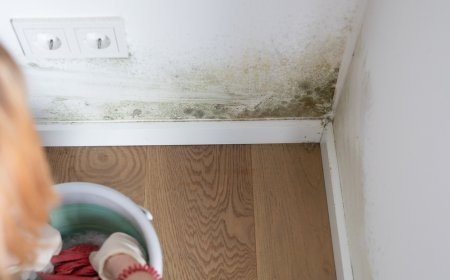
Moisture-related damage deserves particular attention. Replacing damaged drywall or trim without addressing a leak or persistent dampness can lead to repeated repairs. Similarly, applying new sealant over a surface that is dirty or deteriorating may not produce a lasting result.
If the damage involves structural movement, significant water intrusion, electrical hazards, or other conditions beyond routine maintenance, obtain an appropriate professional assessment before proceeding.
Understanding the cause helps prevent spending money on materials that address only the visible symptoms.
Know When a Repair Is Sufficient
Repairing an existing component can be a sensible option when the underlying material remains sound and the damage is limited.
Small holes in drywall, minor surface imperfections, loose nonstructural trim, and certain gaps around frames may be repairable with suitable fillers, fasteners, or sealants. The correct product depends on the substrate, the size of the defect, and whether the area will experience movement or moisture.
Before applying a repair product, review its recommended uses and preparation requirements. Some fillers are intended for shallow interior repairs, while other compounds are designed for different conditions. Using a product outside its intended application can affect adhesion and durability.
Surface preparation is equally important. Remove loose material, clean the area as directed, and allow the substrate to dry where required. Apply the repair product according to the manufacturer's instructions, then complete any necessary sanding, priming, or finishing.
A repair should restore the intended function of the component, not simply make the damage less visible.
Recognize When Replacement Makes More Sense
Some materials deteriorate to a point where repairs become unreliable or inefficient. Extensive rot, severe corrosion, substantial breakage, or repeated failures may indicate that replacement is the better long-term option.
For example, a small area of damaged trim may be repairable if the surrounding material is sound. If moisture has caused extensive deterioration along the entire section, replacing the affected material may provide a more dependable result after the moisture source has been corrected.
Replacement decisions should consider more than appearance. Think about the component's function, expected service life, exposure conditions, and the cost of repeated repairs.
Before removing an existing component, determine how it connects to surrounding materials. A replacement may require compatible fasteners, backing materials, sealants, or finishing products. Planning these requirements beforehand helps avoid discovering that an essential component is missing halfway through the job.
For load-bearing structures and other critical building components, replacement or repair should follow the applicable design requirements and professional guidance.
Select Materials That Match the Existing Structure
Compatibility is one of the most important considerations when choosing repair materials. A product may appear suitable but perform poorly if it is not designed for the existing surface or environmental conditions.
When repairing wood, drywall, masonry, concrete, or metal, confirm that the selected compound, adhesive, fastener, or coating is appropriate for that substrate.
For exterior work, consider exposure to rain, sunlight, temperature changes, and movement. Interior products should be selected according to the room's conditions, including humidity and cleaning requirements.
Pay attention to the complete repair system. A patching compound may need a compatible primer and finish coating. A replacement fixture may require particular mounting hardware. A tiled surface may depend on the correct substrate preparation, mortar, grout, and joint treatment.
If the manufacturer's instructions identify limitations or require specific companion products, follow those recommendations rather than combining materials based on appearance alone.
Measure Carefully Before Ordering Supplies
Accurate measurements help control costs and reduce delays. Before purchasing materials, determine the dimensions of the affected area and calculate the quantity required for the repair.
For sheet materials, measure the damaged section and consider how it will be cut and supported. For trim or other linear components, measure the required length and account for appropriate joints and cuts. For fillers, adhesives, and coatings, use the coverage information provided by the manufacturer.
Irregular surfaces may require additional material, while small repairs can sometimes be completed using a product already available in the workshop. Check existing supplies before purchasing replacements, but verify that stored products remain usable and compatible with the intended application.
For larger projects, prepare a written material list. Include product specifications, dimensions, quantities, fasteners, and finishing requirements. This reduces the likelihood of making repeated trips to purchase missing items.
Consider the Full Cost of Each Option
The cheapest immediate solution is not always the least expensive over time. A repair may cost less initially but require repeated maintenance, while replacing a deteriorated component may involve a higher upfront expense and provide a more dependable result.
Compare the cost of materials, labor, preparation, installation, and future maintenance. Also consider whether the repair will require specialized tools or professional assistance.
For instance, replacing a damaged exterior component may involve removing adjacent materials, correcting underlying moisture problems, installing the replacement, and restoring the finish. The cost of the replacement material alone will not represent the complete project expense.
Avoid making decisions based only on the price per unit. Durability, compatibility, availability, and installation requirements all contribute to overall value.
When comparing options, prioritize the solution that addresses the underlying problem and meets the project's functional requirements.
Prepare for Hidden Problems During Renovation
Opening a wall, removing old flooring, or taking apart an existing fixture can reveal damage that was not visible during the initial inspection. Older properties may contain concealed leaks, deteriorated framing, damaged fasteners, or previous repairs that were not completed properly.
Allow some flexibility in the project budget and schedule when working with older or poorly documented construction. If unexpected damage appears, pause and evaluate its extent before purchasing additional materials.
Document the affected area with photographs and measurements. This can help when comparing replacement options or explaining the problem to a contractor.
Do not cover newly discovered damage until its cause and required repair have been established. Concealing a problem without resolving it can make future maintenance more difficult and expensive.
Organize Supplies for Future Maintenance
Keeping commonly used repair materials organized can make future maintenance easier. Store suitable fasteners, patching products, sealants, measuring tools, and protective equipment in clearly labeled locations.
Check product instructions before storing materials, particularly adhesives, coatings, and chemical products that may have specific temperature requirements or expiration dates.
Maintain a simple record of repairs, including the products used, dimensions, and any recurring issues. This information can help identify patterns and simplify future purchases.
Waddington Hardware's building supplies department is a useful starting point for exploring materials for home repairs and renovation work. Confirm the product specifications and intended applications before choosing items for a particular project.
Make Better Decisions for Lasting Repairs
Successful home maintenance starts with understanding the problem rather than immediately purchasing replacement materials. Inspect the damaged area, identify the underlying cause, assess whether repair or replacement is appropriate, and confirm that the selected products are compatible with the existing structure.
Thoughtful planning helps control material waste, avoid repeated work, and improve the reliability of the finished result. When choosing Building Supplies for your next maintenance project, focus on suitability, durability, accurate measurements, and the complete repair process. These practical decisions can help homeowners and contractors maintain their properties more effectively over time.
What's Your Reaction?
 Like
0
Like
0
 Dislike
0
Dislike
0
 Love
0
Love
0
 Funny
0
Funny
0
 Angry
0
Angry
0
 Sad
0
Sad
0
 Wow
0
Wow
0