
























Inside the Fragrance Factory: How a Perfume Manufacturer Turns Raw Ingredients Into Bestselling Scents

Inside the Fragrance Factory: How a Perfume Manufacturer Turns Raw Ingredients Into Bestselling Scents
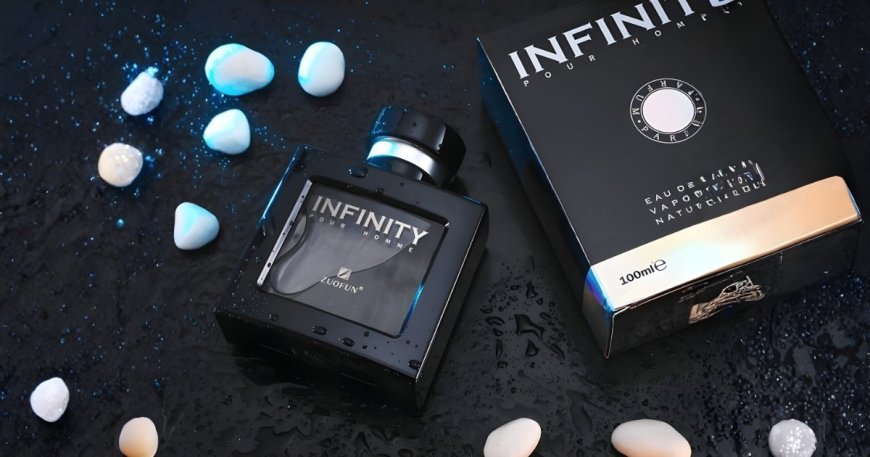
A bestselling fragrance starts long before it reaches a shelf. Weeks — sometimes months — before a customer lifts a bottle to their wrist, raw ingredients from three continents are weighed, blended, rested, and tested inside a working factory. A perfume manufacturer is where that transformation happens: part laboratory, part atelier, part precision production line. Step inside Zuofun's facility and you will see why the scent in the bottle is only the final chapter of a much longer story.
It Starts With Ingredients, Not Marketing
Every great fragrance begins as a shopping list of raw materials, and the quality of that list decides everything that follows. Naturals arrive from specialist growers and distillers: rose absolute from fields that bloom for only a few weeks a year, sandalwood oil aged for depth, citrus oils pressed from peel within hours of harvest. Alongside them sit the synthetics — laboratory-crafted molecules like ambroxan and Iso E Super that give modern fragrances their radiance and staying power. A skilled perfume manufacturer treats naturals and synthetics as equal partners: naturals bring soul and complexity, synthetics bring stability, consistency, and notes that nature simply cannot produce.
Sourcing is a discipline of its own. Zuofun's team tests every incoming batch for purity and strength, rejecting anything that falls short — because a single weak ingredient can flatten an entire formula. Oils are stored in temperature-controlled rooms, away from light and air, and tracked by lot, so any bottle can be traced back to its exact ingredients. No beautiful bottle can rescue a formula built on careless sourcing.
The Lab: Where Scents Are Composed
Once ingredients pass inspection, they move to the lab, where perfumers compose the way musicians write music. A fragrance brief — "a fresh daytime scent for young professionals" or "a warm evening oud with a modern twist" — becomes a formula: precise percentages of dozens of ingredients, weighed to fractions of a gram. The perfumer mixes a small trial batch, lets it rest, then smells it on paper and on skin, judging how the opening, heart, and dry-down unfold over hours.
This is slow, deliberate work. A single formula may go through twenty or thirty revisions before approval: a touch more bergamot for brightness, a fraction less patchouli to keep the base clean, a new musk to extend the trail. The lab is also where safety is engineered in — every formula is checked against international standards for skin safety and allergen limits before it moves toward production.
Maceration, Maturation, and the Waiting Game
Blending the concentrate is only the halfway point. The concentrated oil must then be combined with alcohol and left to macerate — to rest, marry, and mellow. During maceration, harsh edges soften, the notes knit together, and the fragrance becomes rounder and more harmonious. Rushing this stage is a common mistake in cheap fragrance production; the scent may smell fine on day one and fall apart within weeks. A disciplined perfume manufacturer gives each formula the resting time its character demands, sometimes several weeks, before the liquid is chilled, filtered, and cleared for filling.
Filtration removes sediment and wax, leaving a crystal-clear liquid that stays stable on the shelf for years. Samples from each rested batch are compared against the approved standard, and only batches that match — in scent, color, and clarity — move forward. This patience is invisible to the customer, but it separates a fragrance that delights for months from one that disappoints after a fortnight.
Filling Lines, Quality Checks, and the Final Bottle
The finished fragrance finally meets its bottle on the filling line. Modern machines dose each bottle to the milliliter, insert the pump or spray mechanism, and crimp the cap with consistent pressure — thousands of units an hour, each one identical. But automation does not replace human eyes: operators inspect bottles for fill level, seal integrity, label alignment, and spray performance, pulling any unit that fails. Random samples from every run go back to the lab for a final scent check, closing the loop that began with raw ingredients. It is this chain of checks that defines a serious perfume manufacturer: not the size of the factory, but the discipline of the process.
Packaging is the last act of manufacturing and the first act of marketing. Outer cartons, cellophane, and batch codes are applied, and each case is logged for shipment. By the time a Zuofun-made fragrance leaves the factory, it has passed ingredient testing, formula approval, maceration, filtration, filling inspection, and final quality control — a chain of checks that exists for one reason: the customer should experience exactly the fragrance the perfumer intended, every single time.
Conclusion
perfume manufacturer is a title earned in details most people never see — in the sourcing room, the lab, the resting tanks, and the filling line. Zuofun treats every stage as a craft, not a shortcut, and the proof is in every bottle that leaves the factory smelling exactly as it should. The next time a fragrance stops you in your tracks, remember the long journey it took to reach your wrist.
#FragranceFactory #Zuofun #PerfumeProduction #BehindTheScenes
What's Your Reaction?
 Like
0
Like
0
 Dislike
0
Dislike
0
 Love
0
Love
0
 Funny
0
Funny
0
 Angry
0
Angry
0
 Sad
0
Sad
0
 Wow
0
Wow
0