




















When Should I Seek Legal Help for Debt Collection Issues?
When Should I Seek Legal Help for Debt Collection Issues?
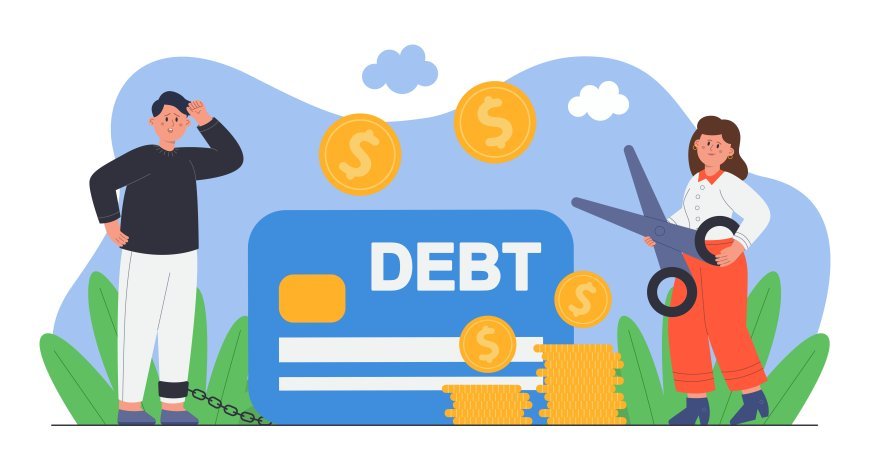
A letter from a collection agency or a call from an unknown number can make your stomach drop. Some of these situations are routine and you can handle them yourself. Others can lead to a lawsuit, a frozen bank account, or a garnished paycheck if you wait too long. At IAMPROSAY, we hear the same question again and again: at what point does a debt problem become a legal problem? This guide gives you a clear answer. It is general information for the United States, not advice for your specific case.
Legal help for debt can provide essential support for individuals facing financial pressure, helping them understand their rights, evaluate their options, and address creditor actions with confidence. A qualified legal professional can assist with debt negotiations, collection disputes, repayment plans, bankruptcy guidance, and other matters that may arise during financial hardship. Seeking trusted assistance early can prevent problems from escalating and create a clearer path toward financial stability. IAMPROSAY.
Get a lawyer involved the moment you receive court papers. You should also talk to one if a collector breaks the rules, if you don’t recognize or don’t owe the debt, or if the amount is large enough that a mistake would be costly. For simple, accurate, small debts, you can often resolve things on your own.
Signs You Should Talk to an Attorney Now
These situations deserve a professional’s eyes quickly:
- You were served with a summons or complaint. This is the most urgent sign. Most states give you roughly 20 to 30 days to respond in writing. Ignoring it usually leads to a default judgment.
- A collector is harassing you. Repeated calls, threats, calls to your workplace, or contact with your family about the debt can violate federal law.
- The debt isn’t yours. Mistaken identity, identity theft, and mixed-up accounts are more common than people expect.
- The debt is very old. Debts past your state’s statute of limitations may no longer be collectible in court.
- Your wages or bank account are at risk. A judgment creditor may be able to garnish your pay or levy your account.
- Several creditors are pursuing you at once. You may need to compare options like negotiation, a payment plan, or bankruptcy.
- You’ve been threatened with arrest. Ordinary consumer debt does not result in jail time, and a collector who says otherwise is likely breaking the law.
Quick Reference: Situation and Next Step
| Your Situation | Urgency | Recommended Move |
|---|---|---|
| First letter from a collector, amount looks right | Low | Request written validation, then decide how to pay or negotiate |
| Debt you don’t recognize | Medium | Dispute in writing within the validation window; keep proof of mailing |
| Collector calls at odd hours or many times a day | Medium | Document every call; send a written cease-contact request; consider a consumer attorney |
| Debt older than your state’s time limit | Medium | Do not make any payment until you’ve confirmed the debt’s legal status |
| Summons or lawsuit papers received | High | Contact an attorney or legal aid right away; file a response before the deadline |
| Wage garnishment notice | High | Consult an attorney immediately about exemptions and options |
| Threats of arrest or contacting your employer | High | Save evidence and speak with a consumer protection lawyer |
| Multiple large debts you can’t pay | High | Get advice on settlement, repayment plans, or bankruptcy |
What You Can Usually Handle on Your Own
Not every collection letter needs a lawyer. If the debt is real, the amount is correct, and you want to pay it, you may only need to do a few things:
- Ask for validation. Under the Fair Debt Collection Practices Act (FDCPA) and the CFPB’s Regulation F, collectors must send a notice with the amount, the creditor’s name, and your dispute rights. You generally have 30 days from receiving it to dispute the debt in writing.
- Keep everything in writing. Phone conversations leave no record. Mailed letters with tracking do.
- Negotiate carefully. Many collectors accept less than the full balance. Get any settlement agreement in writing before you send money.
- Check your credit reports. You can pull them for free at AnnualCreditReport.com and look for errors.
Why Time-Barred Debt Needs Extra Care
Every state sets a time limit, called the statute of limitations, on how long a creditor can sue over a debt. It often falls between three and six years, but it varies by state and by type of debt. Here is the trap: in some states, a small partial payment or even a written acknowledgment can restart the clock. A collector may sound friendly while nudging you toward exactly that. If your debt is old, confirm its status before you pay anything. This is one of the best reasons to book a short consultation.
What a Lawyer Can Actually Do
A consumer debt attorney is not just someone who shows up in court. Here is what they commonly handle:
- Reviewing the paperwork to see whether the collector can prove it owns the debt
- Filing a timely answer to a lawsuit so you avoid a default judgment
- Challenging errors in the amount, fees, or interest
- Negotiating settlements or payment arrangements
- Identifying FDCPA violations. In individual cases, a consumer can recover actual damages, up to $1,000 in statutory damages, and attorney’s fees, and the lawsuit generally must be filed within one year of the violation
- Explaining which income and assets are protected from garnishment in your state
- Advising whether bankruptcy makes sense
Many consumer attorneys handle FDCPA violation cases on a contingency or fee-shifting basis, so an initial consultation may cost little or nothing.
Before You Call Anyone: What to Gather
Walking into a consultation prepared saves time and money. Collect:
- Every letter, email, and text from collectors
- A written log of calls with dates, times, and what was said
- Your credit reports
- Any court documents, with the date you received them
- Original account statements, if you have them
- A rough list of your income, expenses, and other debts
Mistakes That Make Things Worse
Ignoring court papers. Silence is the fastest route to a judgment.
Paying before verifying. Sending money to a debt you haven’t confirmed can restart the clock on old accounts or send cash to a scammer.
Giving bank access. Never agree to automatic withdrawals over the phone with a collector you haven’t verified.
Trusting verbal promises. If it isn’t written down, it didn’t happen.
Hiring a “debt relief” company that demands large upfront fees. Federal rules generally prohibit charging fees before settling a debt for telemarketed debt relief services. Research any company with the state attorney general before signing.
Where to Find Affordable Help
If cost is a worry, you have options. Local legal aid organizations often assist people with lower incomes. State and local bar associations run referral services with low-cost first consultations. Law school clinics sometimes take consumer cases. The CFPB and your state attorney general’s office accept complaints about collectors and can point you toward resources.
Final Thoughts
Debt collection problems rarely fix themselves, and waiting usually shrinks your options. If you’ve been sued, harassed, or asked to pay something that doesn’t add up, treat it as a legal issue and act fast. If it’s a simple, correct bill, a calm letter and a payment plan may be all you need. Whichever applies to you, IAMPROSAY encourages you to read your rights, keep records, and get qualified advice when the stakes rise. Looking for Legal Help for Debt problems early can protect your income, your credit, and your peace of mind.
Frequently Asked Questions
1. Can a debt collector sue me?
Yes, if the debt is valid and still within your state’s statute of limitations. A collector or the original creditor must file a lawsuit and win a judgment before they can garnish wages or levy accounts.
2. How long do I have to respond to a lawsuit?
It depends on your state, but the window is often 20 to 30 days from the day you were served. Check the summons carefully and act immediately.
3. Can I stop a collector from calling me?
Yes. Send a written request telling them to stop contacting you. They may still contact you to confirm they are ending contact or to notify you of a specific action, such as a lawsuit.
4. Will I go to jail for unpaid debt?
Not for ordinary consumer debt. You can face legal trouble, however, for ignoring a court order, such as skipping a required court appearance.
5. Should I pay a debt that’s past the statute of limitations?
Not before you understand the consequences. In some states, a payment can revive the collector’s right to sue. Get advice first.
6. How much does a debt collection lawyer cost?
Fees vary. Some offer free consultations, some work on contingency for violation cases, and legal aid may be free if you qualify.
7. Can a collector contact my employer or family?
Collectors may contact others only to find your location, and they generally cannot reveal that you owe a debt. Contacting your employer after you’ve told them not to is restricted.
8. What is the difference between disputing and ignoring a debt?
Disputing is a documented written response that triggers the collector’s duty to verify. Ignoring gives them room to escalate and gives you no protection.
What's Your Reaction?
 Like
0
 Dislike
0
 Love
0
 Funny
0
 Angry
0
 Sad
0
 Wow
0