
























Acoustic Doors in India: A Buyer's Guide to Quieter Spaces
The common yardstick is the Sound Transmission Class, or STC. A higher number means better blocking. A door around STC 30 handles ordinary office privacy, while STC 45 and above suits studios, test rooms and noisy plants. Always ask for tested values, because a claim on a brochure is not proof.

Cities are getting louder, offices are going open plan, and factories keep adding machines. Sooner or later, most buildings run into the same problem: unwanted noise. Acoustic doors in India are becoming a popular answer, because a door is often the easiest place for sound to leak in or out.
What Are Acoustic Doors?
An acoustic door is built specifically to reduce sound transmission. Instead of a hollow or lightly filled panel, it uses a dense core layered with sound-absorbing material. Rubber gaskets around the frame and an automatic drop-down seal at the bottom close the tiny gaps that let noise through. Together, these details let acoustic doors in India cut sound levels far more than a regular door.
How Is Sound Reduction Measured?
The common yardstick is the Sound Transmission Class, or STC. A higher number means better blocking. A door around STC 30 handles ordinary office privacy, while STC 45 and above suits studios, test rooms and noisy plants. Always ask for tested values, because a claim on a brochure is not proof.
Types of Acoustic Doors
- Steel acoustic doors: Strong and durable, ideal for industrial sites, DG rooms and compressor houses.
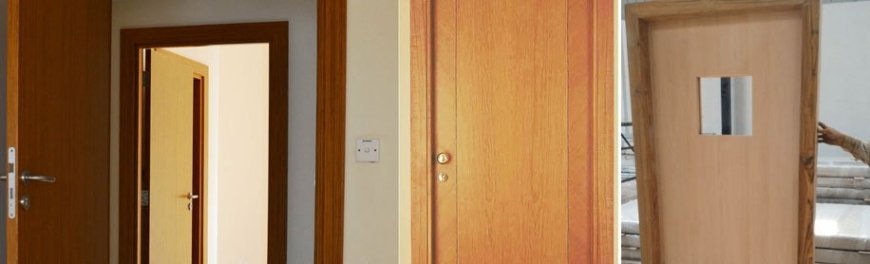
- Wooden acoustic doors: Warm in appearance, suited to offices, hotels and auditoriums.
- Fire-rated acoustic doors: Combine noise control with fire safety for public buildings.
- Double-leaf doors: Handle wide openings in halls and production areas.
Where Are They Used?
Demand for acoustic doors in India comes from many sectors. Recording and broadcast studios need them to keep outside noise away from microphones. Hospitals use them to protect patient rest and confidentiality. Corporate offices install them in meeting rooms, while manufacturing units place them at control rooms and test chambers so workers can focus and stay safe.
What to Look For Before Buying
Price matters, but performance matters more. Keep these points in mind:
- Tested STC rating and fire rating certificates
- Thickness and density of the core material
- Quality of gaskets and bottom seals
- Strength of hinges, locks and frame
- Options for size, finish, vision panels and hardware
Choosing the Right Supplier
A door is only as reliable as the company behind it. Look for a manufacturer that builds in its own facility, offers customization and supports you through installation. SomNandi Industries is one company to consider, as it works across acoustic and noise control solutions for industrial and commercial projects. Ask for past project details and speak to an existing client before you commit.
Installation Makes All the Difference
Even the best door will underperform if it is fitted badly. The frame should be level and fixed firmly, and the joint between frame and wall must be sealed properly. Leave the right clearance for the bottom seal so it closes cleanly. Many buyers of acoustic doors in India overlook this step, and it is one of the main reasons a good product ends up sounding average.
Simple Maintenance Tips
Acoustic doors need very little care. Check gaskets every few months and replace any that look worn or flattened. Keep hinges lubricated, clean surfaces with a soft cloth, and avoid harsh chemicals that can damage seals or finishes.
Final Thoughts
Good sound control starts with the right door. Define your noise problem first, then match it with the correct rating, material and fire requirement. Compare quotes, ask for test data, and keep SomNandi Industries on your shortlist. With the right choice, acoustic doors in India can give you privacy, focus and comfort that lasts for years.
What's Your Reaction?
 Like
0
Like
0
 Dislike
0
Dislike
0
 Love
0
Love
0
 Funny
0
Funny
0
 Angry
0
Angry
0
 Sad
0
Sad
0
 Wow
0
Wow
0