





















Antenatal Postnatal Physiotherapy for Safe Recovery and Better Mobility
Get expert antenatal postnatal physiotherapy support for pregnancy care, post-delivery recovery, posture improvement, mobility and overall physical well-being.
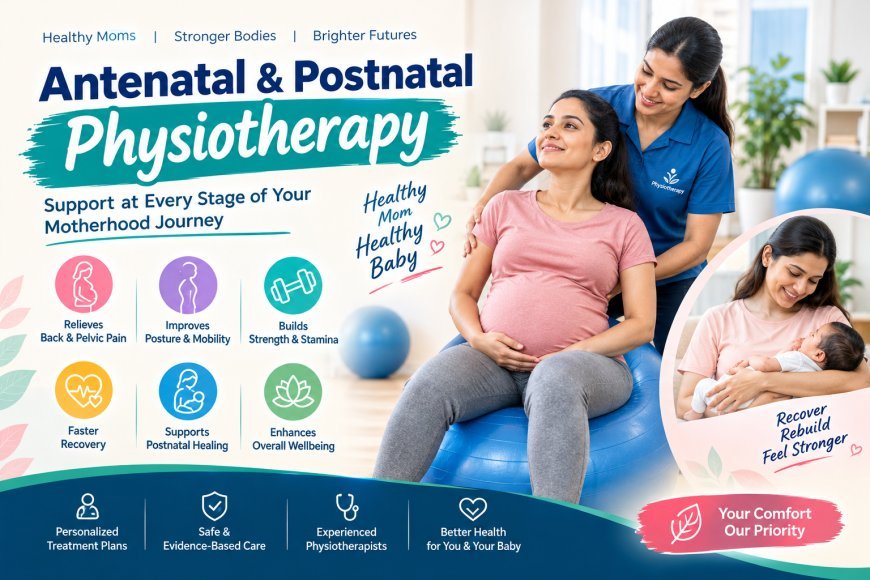
From pregnancy through the postpartum period, a woman’s body undergoes many kinds of physical changes. Similarly, after a heart problem, cardiac surgery or prolonged treatment, the body may take time to return to its normal capacity. In both situations, proper physiotherapy guidance can help a person safely return to movement and daily activities. Antenatal postnatal physiotherapy and cardiac physiotherapy recovery are part of physiotherapy care designed with these kinds of needs in mind.
Need for Physiotherapy during Pregnancy
As body weight and shape change during pregnancy, muscles and joints are also affected. As the abdomen grows, posture may change, and discomfort may be felt around the lower back, hips and pelvis. There may also be difficulty standing, walking or sitting for long periods.
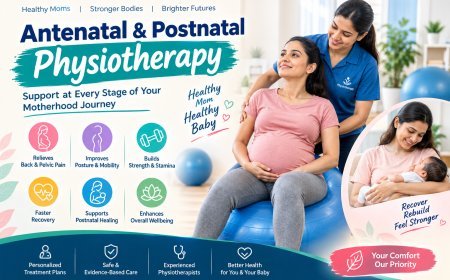
The purpose of antenatal physiotherapy is to help keep the body active and comfortable during pregnancy. Depending on the woman’s condition, a physiotherapist may provide gentle exercises, stretching, mobility movements and posture-related guidance.
For some women, pelvic floor exercises may also be beneficial. However, not every exercise is suitable for everyone during pregnancy. Therefore, it is important to seek appropriate advice from a gynecologist and physiotherapist before starting an exercise routine.
Taking Care of the Body after Delivery
After the baby is born, the mother’s attention often becomes completely focused on the newborn’s needs, but during this time, paying attention to her own physical recovery is equally important. After delivery, the abdominal muscles and pelvic floor may be affected. Many women experience back pain, weakness, stiffness or difficulty sitting and standing for long periods.
In antenatal postnatal physiotherapy, exercises can be gradually introduced according to recovery after delivery. These may include techniques such as gentle stretching, pelvic floor training, core strengthening and posture correction.
For a new mother, lifting the baby, sitting during feeding and bending repeatedly become part of everyday life. Maintaining incorrect posture for long periods can increase back and shoulder discomfort. A physiotherapist can help manage daily activities more effectively by explaining proper sitting, standing and lifting techniques.
Why shouldn’t you rush into Postnatal Exercise?
After delivery, the body needs sufficient time for recovery. Starting heavy exercise or intense workouts immediately is not right for every woman. Exercise should be started by considering the type of delivery, recovery, pain level and overall health.
After a C-section or any complication, the exercise plan may be different. Therefore, instead of following any exercise routine available on the internet without advice, it is better to get a professional assessment.
The Role of Cardiac Physiotherapy Recovery
After a heart-related illness or cardiac surgery, a person may take some time to return to physical activity as before. Problems such as weakness, low stamina and getting tired quickly may be seen during recovery. At such times, instead of completely stopping physical activity, it is important to gradually increase it according to medical advice.
The main purpose of cardiac physiotherapy recovery is to support the person in safely returning to physical activity and daily routine. A physiotherapist can prepare a suitable rehabilitation plan by considering the person’s medical condition and exercise tolerance.
This may include breathing exercises, mobility exercises, light physical activity and gradually increased exercise. For some patients, walking may also be part of rehabilitation, but its duration and intensity should be determined according to the doctor’s advice.
Regular Monitoring is Important in Cardiac Recovery
During cardiac rehabilitation, it is very important to understand the body’s signals. Problems such as unusual shortness of breath, dizziness, chest discomfort, sudden weakness or feeling uncomfortable while exercising should not be ignored.
If such symptoms appear, it is necessary to stop exercising and contact a medical professional. For cardiac patients, increasing exercise intensity on their own is not considered appropriate. Rehabilitation should always be carried out according to the guidance of the treating doctor and physiotherapist.
Adopt Physiotherapy According to Your Condition
After pregnancy, delivery and cardiac treatment, every person’s recovery is different. Therefore, the same exercise program may not be right for everyone. A physiotherapist can first understand your mobility, strength and current condition and make the necessary changes to the exercise plan.
With the right guidance, the purpose of physiotherapy is to gradually prepare the body for better movement. During pregnancy, attention is given to posture and comfort, while after delivery, work may focus on restoring strength and functional movement. In cardiac rehabilitation, special attention is given to safe physical activity and gradual recovery.
For good recovery, not only exercises, but also adequate rest, a balanced diet, proper sleep and following the doctor’s advice are necessary. Before starting any kind of physiotherapy, taking professional advice according to your medical condition is the safest approach.
What's Your Reaction?
 Like
0
Like
0
 Dislike
0
Dislike
0
 Love
0
Love
0
 Funny
0
Funny
0
 Angry
0
Angry
0
 Sad
0
Sad
0
 Wow
0
Wow
0