

















Dental Shield Automation: A Starter Plan for Small Clinics
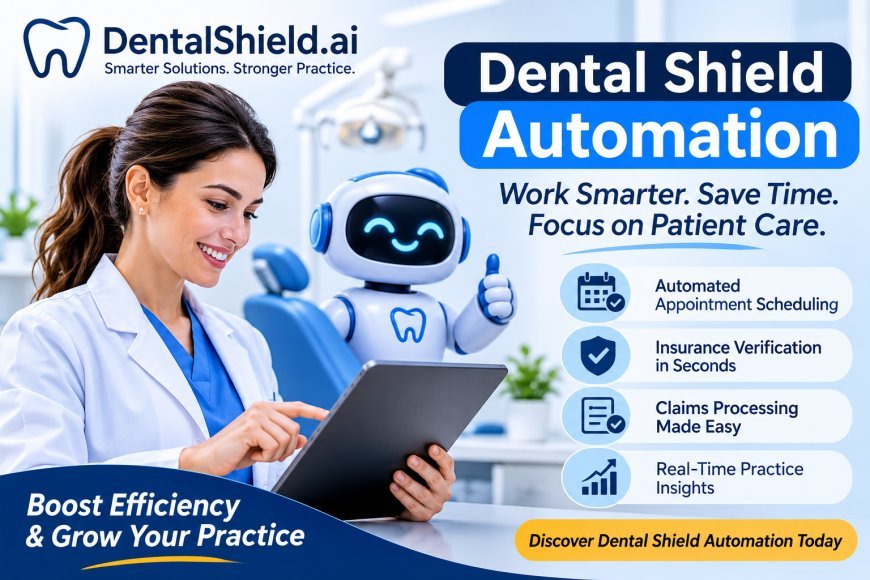
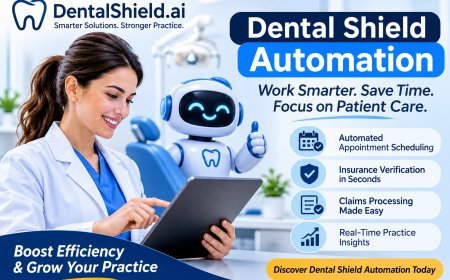
Running a small dental clinic involves more than treating patients, managing appointments, and maintaining clinical records. Dental teams also handle insurance verification, billing, staff coordination, and claim follow-ups, which can take valuable time away from patient care. Dental Shield practice automation offers a practical way for small clinics to organise these daily responsibilities, reduce repetitive administrative work, and build more efficient practice operations.
Why Do Small Dental Clinics Need Practice Automation?
Small dental clinics often operate with limited staff and resources. A receptionist may handle appointments, insurance enquiries, patient communication, and billing while the dentist focuses on treatment. When several administrative tasks need attention at the same time, mistakes and delays can become more common.
Manual insurance verification, incomplete patient records, delayed claim submissions, and staffing shortages can affect both patient experiences and clinic revenue.
This is where Dental Shield practice automation can make a difference. Instead of depending entirely on manual processes, clinics can use connected digital tools to manage important administrative and financial workflows.
Automation can help small practices:
-
Reduce repetitive administrative work.
-
Organise insurance verification.
-
Identify and manage denied claims.
-
Improve staffing coordination.
-
Track important financial activities.
-
Make better use of available team resources.
The goal of Dental Shield practice automation is not to replace dental professionals but to help them spend less time on repetitive tasks and more time supporting patients.
1. Start With Automated Dental Insurance Verification
Insurance verification is one of the first administrative activities a dental clinic completes before providing treatment. Staff members need to confirm patient eligibility, coverage limits, deductibles, waiting periods, and other policy details.
When this process is completed manually, employees may spend considerable time making phone calls and checking insurance portals.
Dental Shield practice automation helps simplify this process through AI-powered insurance verification. Dental Shield connects with DentalXchange for dental insurance and Availability for medical insurance to retrieve relevant eligibility and benefit information.
Small clinics can begin by:
-
Importing patient and insurance information.
-
Checking eligibility before appointments.
-
Reviewing deductibles and annual maximums.
-
Identifying waiting periods and frequency limitations.
-
Checking prior authorisation requirements.
-
Reviewing alerts before treatment.
With a more organised verification process, front-desk employees can spend less time handling repetitive insurance enquiries.
Using dental practice automation software for these activities also helps reduce administrative complexity and supports better communication between the front desk and billing department.
2. Improve Dental Claim Recovery and Follow-Ups
Unpaid and denied insurance claims can create financial pressure for smaller dental practices. A claim may be rejected because of missing documentation, incorrect information, coding issues, or insurance eligibility problems.
Without a structured tracking process, some denied claims may remain unresolved for weeks.
Dental Shield practice automation supports a more organised approach to identifying and managing these issues through its Claims Recovery Engine.
The system offers AI-assisted denial analysis, automated appeal support, follow-up tracking, and an EOB document repository.
For small clinics, a practical starting process includes:
-
Review outstanding and denied claims.
-
Identify the reason for each denial.
-
Collect the required supporting documents.
-
Prepare an appropriate appeal.
-
Track submission deadlines and responses.
-
Monitor claims until they are resolved.
Dental insurance claim recovery becomes easier to manage when the team has a clear view of which claims need attention.
By including these activities in Dental Shield practice automation, clinics can improve claim visibility and reduce the risk of overlooking important follow-ups.
3. Organise Daily Operations With Connected Software
Many dental clinics already use practice management systems for scheduling, patient records, treatment planning, and clinical documentation. However, some financial and workforce activities may still require separate tools.
A dental practice management platform can help bring important operational information together and make administrative processes easier to monitor.
Dental Shield is designed to work alongside existing practice management systems rather than replace traditional clinical software. It focuses on insurance verification, claims recovery, staffing, recruitment, and revenue-related workflows.
This distinction is important for small clinics because they do not necessarily need to replace their existing systems to improve operational efficiency.
Dental Shield practice automation can complement the clinic's current setup while helping teams manage administrative responsibilities in a more connected way.
4. Use AI to Reduce Repetitive Administrative Work
Artificial intelligence is changing how dental practices manage everyday operations. From identifying insurance issues to organising claims information, AI-supported systems can help teams complete routine activities more efficiently.
AI dental practice management can support several administrative functions, including:
-
Identifying potential insurance verification issues.
-
Analysing common claim denial reasons.
-
Organising supporting documents.
-
Supporting appeal preparation.
-
Tracking pending administrative tasks.
-
Providing useful information for revenue reviews.
For example, when several claims are denied by the same insurance provider for similar reasons, analysing those patterns can help the billing team identify a recurring problem.
Dental Shield practice automation brings AI-supported tools into insurance verification, claims recovery, staffing, and revenue-related workflows.
However, dental professionals should continue reviewing clinical information and verifying important financial decisions. AI should support the team's work rather than replace professional judgment.
5. Manage Staffing Requirements More Efficiently
Staff shortages can affect appointment availability, patient satisfaction, and daily clinic operations. When a hygienist or dental assistant is unavailable, small clinics may struggle to find qualified replacement professionals quickly.
This is why workforce planning should be included in an automation strategy.
Dental staffing solutions for dental practices can help clinics manage temporary staffing requirements and permanent recruitment more systematically.
Dental Shield offers an AI-powered staffing marketplace that matches practices with available dental professionals, including hygienists, assistants, and dentists. It also supports permanent recruitment through a job-posting and applicant-management process.
For example, when a clinic needs to hire dental hygienist professionals for a permanent position, it can use a structured recruitment pipeline to post the vacancy, review applicants, shortlist candidates, and track hiring progress.
Dental Shield practice automation helps connect staffing activities with other administrative workflows, making workforce management easier to coordinate.
6. Build a Simple Automation Plan for Your Clinic
Small clinics do not need to automate every process at once. A gradual approach makes it easier for employees to understand new tools and adjust their daily routines.
Here is a practical 30-day starter plan for introducing Dental Shield practice automation.
Week 1: Review Existing Processes
Start by identifying the administrative activities that consume the most time.
Review:
-
Manual insurance verification.
-
Pending and denied claims.
-
Staff scheduling challenges.
-
Patient communication processes.
-
Billing and follow-up activities.
Identify two or three areas where automation could make the biggest difference.
Week 2: Set Up Insurance Verification
Create your Dental Shield account, configure your practice information, and review the available insurance verification tools.
Start using the system to check patient eligibility and benefits. Train front-desk employees to review the information and communicate relevant coverage details to patients.
Week 3: Organise Claims and Staffing
Review outstanding insurance claims and identify cases requiring additional documentation or appeals.
Explore the claims recovery features and staffing marketplace. Establish a process for tracking open claims, follow-ups, and staffing requirements.
Week 4: Review Results and Improve
Evaluate how the new workflow is performing.
Monitor:
-
Time spent on insurance verification.
-
Number of claims awaiting follow-up.
-
Common reasons for claim denials.
-
Staff coordination and administrative workload.
-
Overall workflow efficiency.
Use these observations to identify the next processes that should be improved.
Dental Shield practice automation works best when clinics regularly review their workflows and make adjustments based on actual operational needs.
Benefits of Dental Shield Automation for Small Clinics
Introducing Dental Shield practice automation can help small clinics improve several important areas of their operations.
Some key benefits include:
1. Better time management: Automating repetitive insurance and administrative activities gives employees more time to focus on patient support.
2. Improved claim visibility: A structured claims recovery process helps staff identify outstanding claims and take action before follow-up deadlines are missed.
3. Easier staffing coordination: Clinics can explore temporary staffing and permanent recruitment options when they need additional professionals.
4. More organised workflows: Bringing insurance, staffing, and claims-related activities together reduces the need to manage multiple disconnected processes.
5. Better financial monitoring: Revenue reporting can help practice owners understand collections, payer performance, and staffing costs.
These benefits make Dental Shield practice automation a useful option for clinics looking to improve their administrative systems without unnecessarily complicating daily operations.
Final Thought
Automation does not have to be complicated or expensive for a small dental clinic. Starting with the right tools, improving everyday workflows, and reviewing operational performance can create meaningful improvements over time. With a structured approach to dental denial management, clinics can strengthen financial processes, reduce avoidable administrative delays, and focus more attention on delivering quality patient care.
What's Your Reaction?
 Like
0
 Dislike
0
 Love
0
 Funny
0
 Angry
0
 Sad
0
 Wow
0